

Identifying the Most Affordable Countries in Southeast Asia for Travelers enables budget travelers to maximize time exploring temples, beaches, jungles, and vibrant cultures across this diverse region affordably. According to comprehensive 2026 data compiled from Budget Your Trip and verified backpacker expense reports, Southeast Asia’s most budget-friendly destinations include Laos ($17-35 daily), Cambodia ($20-40 daily), Vietnam ($25-50 daily), Indonesia excluding Bali ($25-50 daily), and Thailand ($30-60 daily), creating opportunities for travelers to experience authentic Asian adventures for less than half the cost of European or North American equivalents while accessing world-class attractions including Angkor Wat temples, Ha Long Bay cruises, Indonesian volcanoes, and pristine tropical beaches.
This detailed guide examines daily costs across Southeast Asia’s cheapest countries, provides specific expense breakdowns for accommodation, food, transportation, and activities, analyzes budget travel strategies from hostel selection to street food dining, and delivers practical planning advice to help shoestring travelers experience maximum adventure within minimal financial constraints across this backpacker paradise region in 2026.
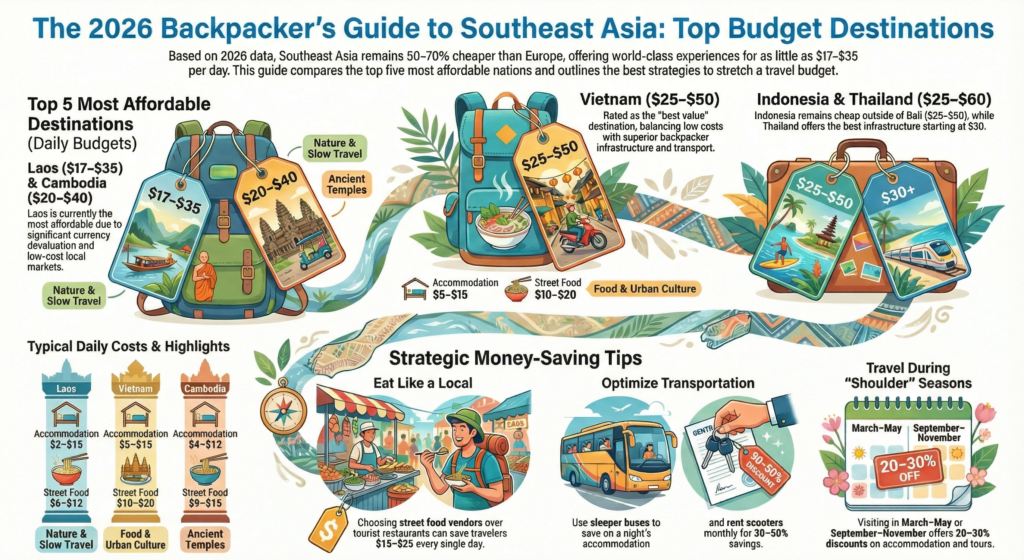
Top 5 Cheapest Southeast Asian Countries
1. Laos: $17-35 per day
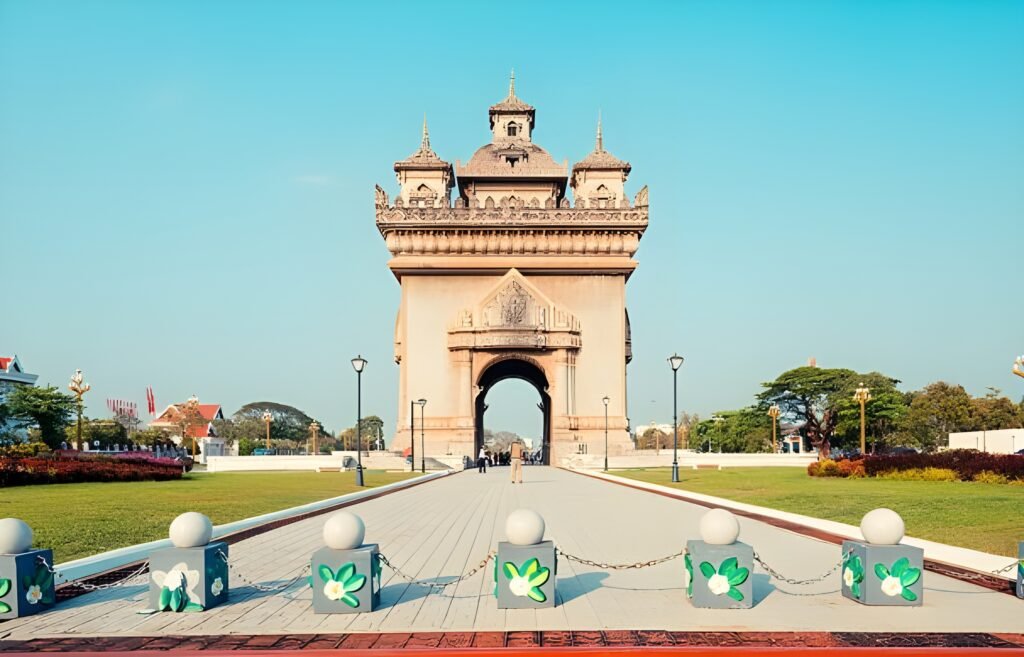
Laos consistently ranks as Southeast Asia’s most affordable destination according to multiple 2026 budget travel analyses.
Daily Budget Breakdown:
- Accommodation: $2-15 per night (large dorms $2-5, private rooms $10-15)
- Food: $6-12 daily (street meals $1-2, restaurants $3-5)
- Transportation: $2-6 daily (local buses $0.50-2, tuk-tuks $1-3)
- Activities: $5-10 daily (temples mostly free, waterfalls $2-5)
Read: South Korea Travel Cost Breakdown: Full Korea Travel Budget Guide (2026)
Why It’s Cheapest: Recent Lao Kip (LAK) currency devaluation creates exceptional value for travelers holding dollars or euros. Limited tourism development maintains authentic local pricing throughout most regions.
Budget Highlights:
- Luang Prabang UNESCO city offers temples, French colonial architecture, and sacred alms-giving ceremonies
- Kuang Si Falls multi-tiered waterfalls rank among Asia’s most beautiful
- Vang Vieng natural scenery with tubing and adventure activities
- Vientiane laid-back capital with Buddhist temples
- Mekong River journeys and 4,000 Islands region
Money-Saving Tips: Use slow boats between towns ($10-20 versus $30-50 speedboats). Stay in guesthouses versus hostels for similar pricing with more authentic atmosphere. Eat at local markets where meals cost $1-2 versus tourist restaurants at $5-8.
Travel Season: November-February delivers dry pleasant weather though slightly higher costs. March-May brings heat. June-October monsoon season offers 20-30% discounts with brief afternoon showers.
2. Cambodia: $20-40 per day
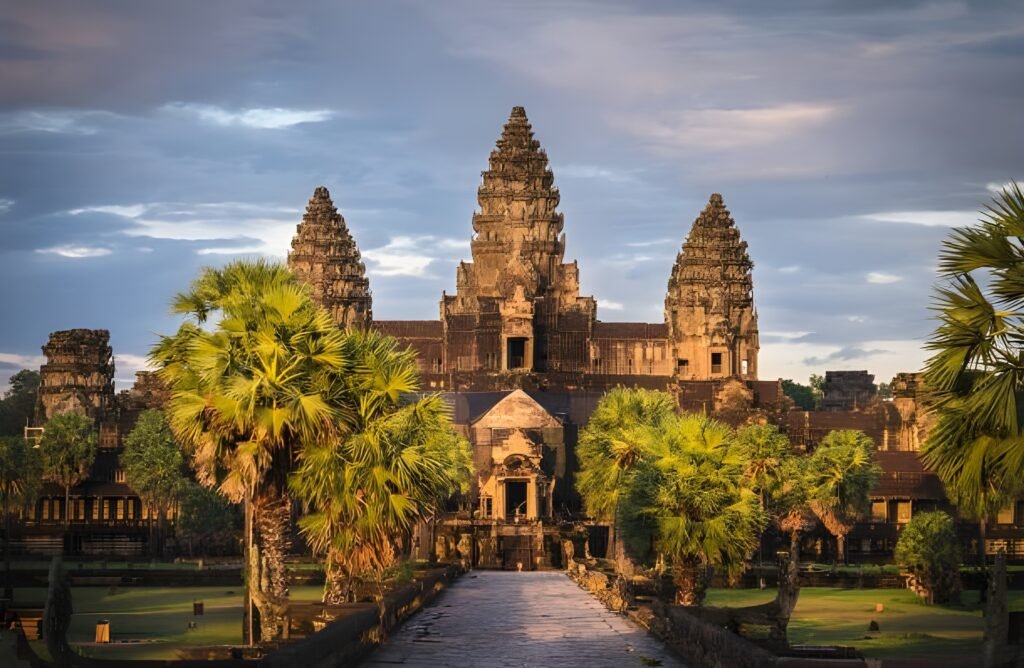
Cambodia delivers exceptional value with world-class attractions at remarkably low costs, according to 2026 traveler data.
Daily Budget Breakdown:
- Accommodation: $4-12 per night (dorms $4-8, budget rooms $8-15)
- Food: $9-15 daily (street food $2-4, restaurants $5-10)
- Transportation: $3-8 daily (buses $0.50-2, tuk-tuks $2-5)
- Activities: $8-20 daily (temples $3-8, tours $15-40)
Major Attraction Costs:
- Angkor Wat complex: $37 one-day pass, $62 three-day pass, $72 seven-day pass
- Temples best explored over 2-3 days minimum
- Hire tuk-tuk drivers $15-25 daily for temple transportation
Budget Highlights:
- Angkor Wat temple complex ranks among humanity’s greatest achievements
- Phnom Penh capital with Royal Palace, Genocide Museum, vibrant markets
- Siem Reap gateway to Angkor with night markets, street food
- Battambang small-town charm and riverside atmosphere
- Koh Rong Samloem pristine beaches and diving
Money-Saving Tips: Book Angkor passes online avoiding long queues. Eat at local markets where meals cost $2-4 versus tourist areas $8-15. Use public buses between cities $5-15 versus tourist minivans $20-35.
Important Notes: Prices in Siem Reap remain higher than other Cambodian regions due to tourism concentration. Tourist visa extensions recently ended requiring careful trip length planning.
Read: Indonesia Travel Is Crazy Cheap! My Backpacker Budget Breakdown
3. Vietnam: $25-50 per day
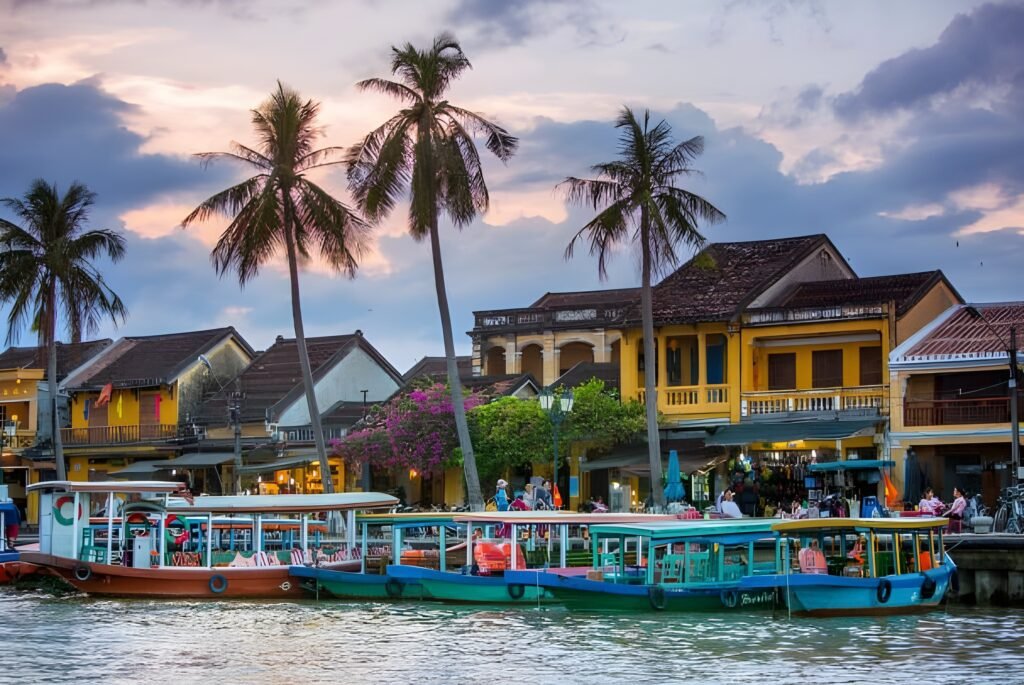
Vietnam combines exceptional value with comprehensive backpacker infrastructure throughout the country according to verified 2026 data.
Daily Budget Breakdown:
- Accommodation: $5-15 per night (dorms $5-10, private rooms $11-20)
- Food: $10-20 daily (street food $1-3, restaurants $3-8)
- Transportation: $5-12 daily (buses $1-3, scooters $5-8 daily rental)
- Activities: $10-20 daily (museums $2-5, organized tours $20-60)
Regional Pricing:
- Hanoi and Ho Chi Minh City: $30-50 daily
- Hoi An, Hue, Nha Trang: $25-40 daily
- Small towns and rural areas: $20-35 daily
Budget Highlights:
- Ha Long Bay UNESCO site with limestone karsts and boat cruises $10-150 depending on tour length
- Hoi An Ancient Town yellow-walled architecture, lanterns, custom tailoring
- Hanoi Old Quarter chaotic streets, street food, French colonial buildings
- Ho Chi Minh City (Saigon) modern metropolis with war history museums
- Phong Nha-Ke Bang National Park caves and nature ($7 entry)
- Ha Giang Loop dramatic mountain scenery via motorbike
Money-Saving Tips: Use sleeper buses for overnight journeys saving accommodation costs ($20-35 long routes). Eat pho noodle soup ($2-3) and banh mi baguettes ($1-2) from street vendors. Rent motorbikes monthly ($50-80) versus daily ($5-8) for extended stays.
Special Notes: Prices rising annually though remain significantly below developed Asian destinations. Digital nomads increasingly discover Vietnam creating demand in Da Nang and Hanoi.
Read: Europe vs Asia Travel Cost -The Difference Shocked Me
4. Indonesia (Excluding Bali): $25-50 per day
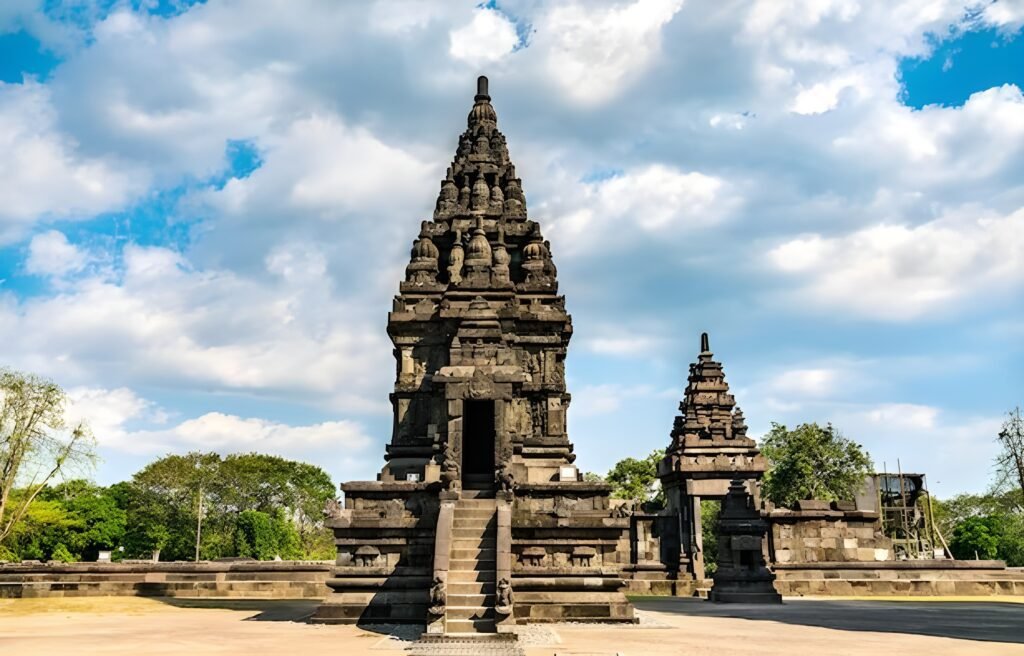
Indonesia delivers rock-bottom pricing outside tourist-heavy Bali and Lombok islands, according to regional cost analysis.
Daily Budget Breakdown:
- Accommodation: $5-15 per night (dorms $5-10, guesthouses $8-18)
- Food: $8-15 daily (warungs $1-3 per meal, restaurants $3-8)
- Transportation: $5-15 daily (buses $1-5, scooter rentals $4-6)
- Activities: $8-20 daily (temples $1-5, volcano treks $30-80)
Island-Specific Budgets:
- Java (Yogyakarta, Solo): $20-35 daily – cheapest major Indonesian region
- Sumatra: $18-30 daily – off-beaten-path adventures
- Flores: $25-40 daily base, $75-500 Komodo tours add significantly
- Sulawesi: $25-45 daily with limited tourist infrastructure
Budget Highlights:
- Yogyakarta cultural capital with temples, batik, traditional arts
- Borobudur and Prambanan UNESCO temples ($30-45 combined foreigner entry)
- Mount Bromo sunrise volcano trek ($40-80 organized tours)
- Komodo National Park dragons and marine life ($75-500 tours)
- Lake Toba Sumatra crater lake and Batak culture
- Raja Ampat world-class diving though expensive to reach
Money-Saving Tips: Focus Java and Sumatra avoiding expensive island-hopping. Eat exclusively at warungs (street food stalls) where nasi goreng and mie goreng cost $1-2. Use public ferries between islands $10-30 versus speedboats $50-100.
Important Distinctions: Bali costs 40-60% more than other Indonesian regions averaging $35-60 daily due to tourism development. Gili Islands similarly command premium pricing.
Read: Best Time to Visit Maldives on Budget (Full Cost Guide 2026)
5. Thailand: $30-60 per day
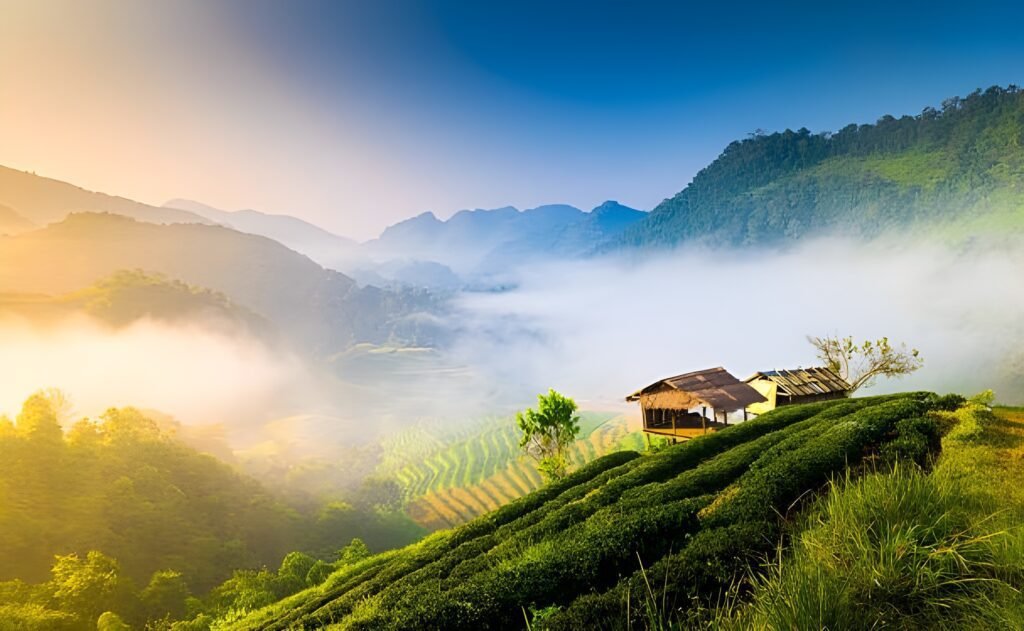
Thailand remains Southeast Asia’s most popular destination despite slightly higher costs than neighboring countries, according to 2026 expense data.
Daily Budget Breakdown:
- Accommodation: $5-15 per night (dorms $5-10, budget hotels $10-20)
- Food: $10-20 daily (street food $2-4, restaurants $5-12)
- Transportation: $5-15 daily (buses $1-3, tuk-tuks $3-8)
- Activities: $10-25 daily (temples $3-8, tours $20-60)
Regional Pricing Differences:
- Northern Thailand (Chiang Mai, Pai): $25-40 daily – cheapest region
- Central Thailand (Bangkok): $35-50 daily – moderate costs
- Southern islands (Phuket, Koh Phi Phi, Koh Samui): $45-70 daily – most expensive
Budget Highlights:
- Bangkok Grand Palace ($17 entry), temples, street food paradise
- Chiang Mai temples, night markets, trekking, digital nomad hub
- Northern Thailand hill tribes, nature, authentic culture
- Southern islands beaches though significantly more expensive
- Ayutthaya ancient capital ruins (day trip from Bangkok)
Money-Saving Tips: Focus northern Thailand where accommodation, food, transport cost 30-50% less than southern islands. Eat pad thai ($2-4) and noodle soups ($1.50-3) from street vendors. Use overnight trains Bangkok-Chiang Mai saving hotel night ($40-60 sleeper versus $50+ flight plus hotel).
2026 Visa Changes: Many nationalities now receive 60 days visa-free entry (up from 30), extending to 90 days with extensions, making extended budget travel easier.
Other Affordable Southeast Asian Countries
Malaysia: $25-50 per day
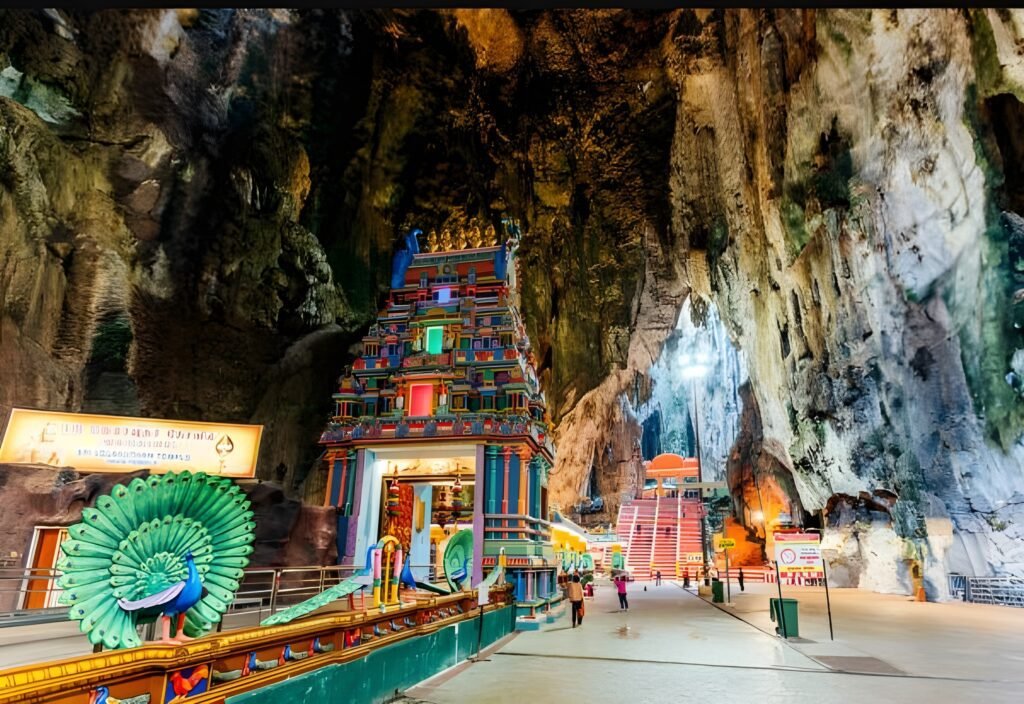
Malaysia delivers good value with modern infrastructure though costs approximately 20-30% higher than Thailand or Vietnam.
Budget Advantages:
- Kuala Lumpur budget accommodation $10-20 nightly
- Penang food paradise with cheap hawker centers
- Cameron Highlands tea plantations and cool climate
- Langkawi duty-free island with affordable resorts
Special Considerations:
- Borneo (Sabah, Sarawak) significantly more expensive due to remoteness and tour costs
- Malaysia serves as convenient hub with AirAsia low-cost flights throughout region
Myanmar: $20-35 per day
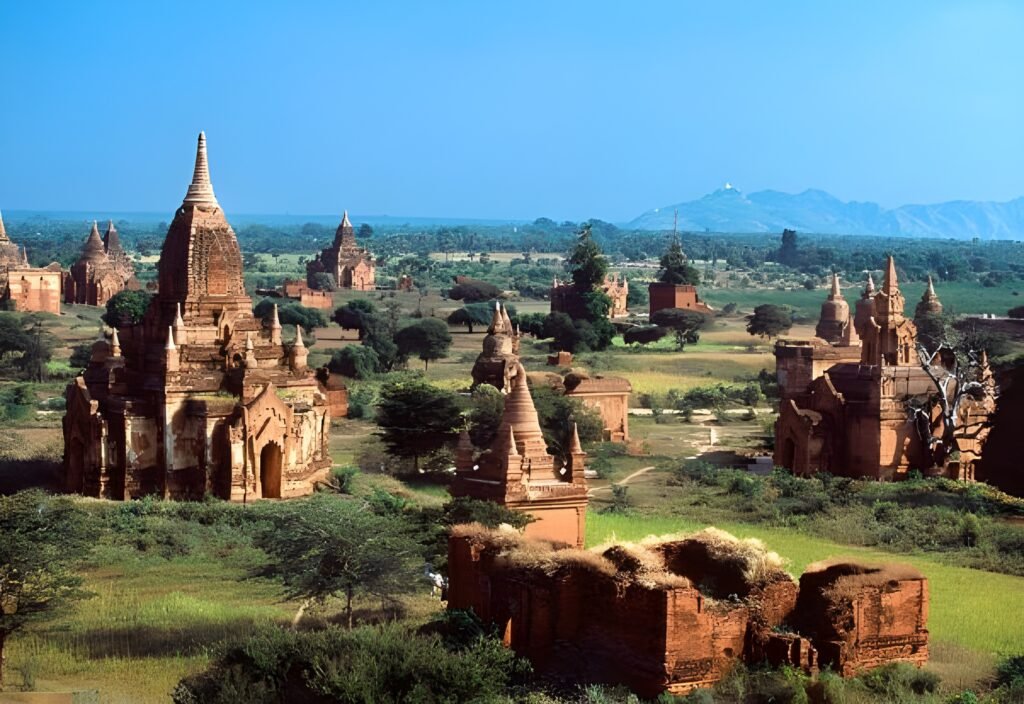
Myanmar offers cultural richness though current political instability requires careful safety assessment.
Important Travel Advisory: Civil conflict ongoing since 2021 military coup. Check official government travel advisories before planning visits. Some safe zones remain accessible though situation remains fluid.
When Stable:
- Accommodation $8-20 nightly
- Food particularly cheap though transport can be pricier
- Temples, lakes, diverse landscapes accessible
Philippines: $35-60 per day
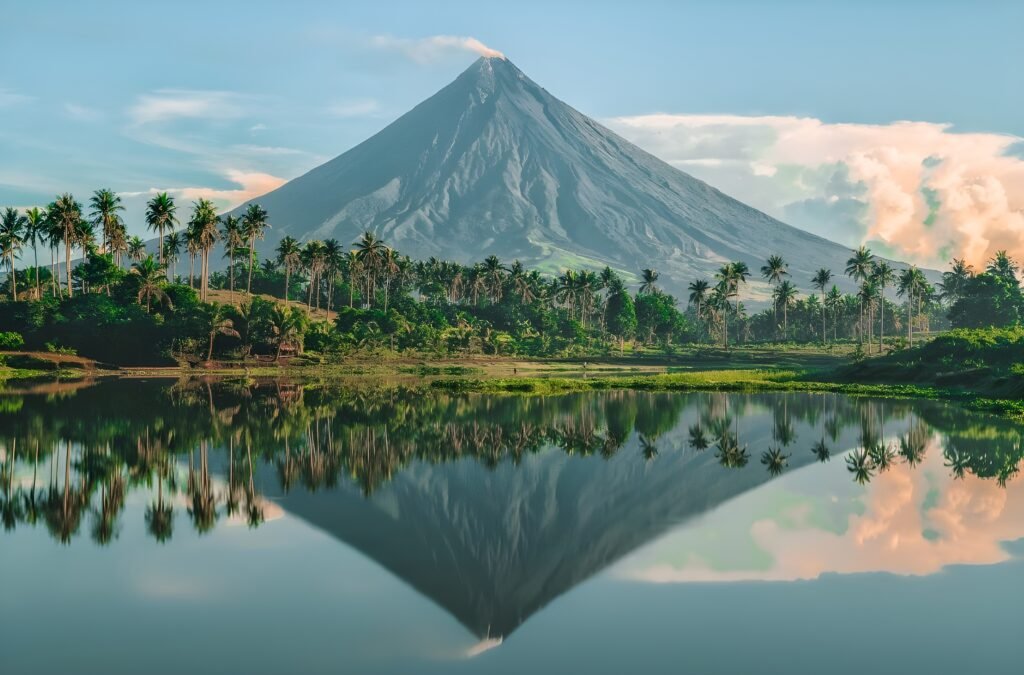
Philippines delivers stunning beaches though costs approximately 20-40% higher than mainland Southeast Asia.
Budget Considerations:
- 7,000+ islands create transportation costs
- Island-hopping tours $20-60 daily
- Accommodation $15-30 budget range
- Food $15-30 daily
Value Highlights:
- Palawan pristine beaches and El Nido limestone cliffs
- Rice terraces northern Philippines
- Diving and snorkeling world-class
- Spanish colonial heritage and unique Asian-Western fusion culture
Complete Budget Comparison Table
| Country | Daily Budget | Accommodation | Food | Transport | Best For |
|---|---|---|---|---|---|
| Laos | $17-35 | $2-15 | $6-12 | $2-6 | Ultra-budget, nature |
| Cambodia | $20-40 | $4-12 | $9-15 | $3-8 | Angkor temples |
| Vietnam | $25-50 | $5-15 | $10-20 | $5-12 | Food, culture, value |
| Indonesia (not Bali) | $25-50 | $5-15 | $8-15 | $5-15 | Volcanoes, beaches |
| Thailand | $30-60 | $5-15 | $10-20 | $5-15 | First-timers, infrastructure |
| Malaysia | $25-50 | $10-20 | $10-20 | $5-15 | Modern, food |
| Myanmar | $20-35 | $8-20 | $6-12 | $8-15 | Temples (check safety) |
| Philippines | $35-60 | $15-30 | $15-30 | $10-25 | Islands, beaches |
Money-Saving Strategies for Southeast Asia
- Eat Street Food Exclusively: Street vendors and warungs deliver authentic meals $1-3 versus tourist restaurants $8-15. Daily food savings of $15-25 enable significantly extended trips.
- Stay in Hostels or Guesthouses: Dormitories cost $5-10 versus hotels $20-50. Even private hostel rooms ($12-20) beat budget hotels for value.
- Use Local Transportation: Public buses, shared minivans, and local ferries cost 50-70% less than tourist minibuses, private cars, and speedboats with authentic local experiences included.
- Rent Scooters Monthly: Monthly rates ($50-80) versus daily ($5-8) create 30-50% savings for extended island or region stays.
- Book Tours Locally: Local tour operators charge 20-40% less than international pre-booking websites. Negotiate directly with hostels, guesthouses, and tour offices.
- Travel Shoulder or Low Season: March-May and September-November shoulder seasons deliver 20-30% discounts. Monsoon months (June-August) offer 40-60% savings with brief afternoon showers.
- Use Overnight Buses: Sleeper buses save accommodation costs while covering ground. Bangkok-Chiang Mai overnight bus $20-35 versus $50+ flight plus $15-30 hotel.
- Avoid Western Food and Alcohol: Western meals cost 3-5x local equivalents. Local beer costs $1-2 versus imported $5-8. These represent budget travelers’ biggest expense inflations.
Frequently Asked Questions
What is the cheapest country in Southeast Asia?
According to comprehensive 2026 budget data from multiple verified sources, Laos ranks as Southeast Asia’s cheapest country with daily costs averaging $17-35 for backpackers including accommodation ($2-15 nightly), food ($6-12 daily), transportation ($2-6), and activities ($5-10). Recent Lao Kip currency devaluation creates exceptional value for travelers holding US dollars or euros. Cambodia follows closely at $20-40 daily, though Angkor Wat temple pass ($37-72) represents a significant one-time expense. Vietnam ranks third at $25-50 daily delivering slightly higher costs with superior infrastructure and more comprehensive tourist facilities.
How much does budget travel in Southeast Asia cost per day?
Budget travelers manage comfortable Southeast Asian experiences for $20-40 daily according to verified 2026 traveler expense reports. This budget enables hostel dormitories or basic private rooms ($5-15 nightly), street food meals three times daily ($8-15), local transportation via buses and shared vehicles ($3-10), and selective activities emphasizing free temples, beaches, and hiking with occasional paid attractions ($5-15). Ultra-budget travelers reduce costs to $15-25 daily through large dorms, exclusive street food, walking, and free attractions only. Comfortable backpackers allocate $40-60 daily for better rooms, restaurant meals, scooter rentals, and comprehensive tours.
Is Southeast Asia cheaper than Europe?
Yes, Southeast Asia costs approximately 50-70% less than Europe according to comparative 2026 budget analysis. Southeast Asian daily costs average $25-50 versus Western European $100-150 and Eastern European $50-80. Accommodation, food, and transportation all cost dramatically less: Southeast Asian hostels $5-15 versus European $20-60, street food meals $2-4 versus European minimum $12-25, local buses $1-3 versus European $3-8. Only Eastern European budget destinations like Bulgaria, Romania, and Poland match Southeast Asian affordability at comparable $40-70 daily costs.
Which Southeast Asian country has the best value?
Vietnam delivers optimal value balancing low costs with excellent infrastructure according to traveler consensus and verified 2026 data. Daily budgets of $25-50 enable comfortable experiences while Vietnam offers comprehensive tourist facilities, diverse attractions from Ha Long Bay to Mekong Delta, world-class street food, reliable transportation, extensive accommodation options, and established backpacker networks throughout the country. Thailand provides superior infrastructure though costs 20-30% more. Cambodia and Laos cost less but offer fewer facilities and destinations. Indonesia matches Vietnam’s value outside expensive Bali.
Can I travel Southeast Asia for $1,000 per month?
Yes, experienced budget travelers comfortably explore Southeast Asia for $900-1,200 monthly according to verified backpacker expense reports. Focusing on cheapest countries (Laos $17-35 daily, Cambodia $20-40, Vietnam $25-50) enables $600-1,000 monthly base costs. Adding occasional splurges, tours, and contingencies brings realistic budgets to $900-1,200 monthly covering accommodation, all meals, transportation including occasional flights, activities, visas, and miscellaneous expenses. Ultra-budget travelers manage under $750 monthly though require sacrifices like large dorms, exclusive street food, slow buses, and minimal paid activities.
What is the most expensive Southeast Asian country?
Singapore ranks as Southeast Asia’s most expensive destination with daily costs averaging $100-200+ comparable to Western developed nations. Brunei follows though sees minimal tourism. Among mainstream Southeast Asian destinations, Thailand’s southern islands (Phuket, Koh Phi Phi, Koh Samui) command highest costs at $50-80 daily. Indonesia’s Bali costs $35-60 daily versus $20-35 in Java and Sumatra. The Philippines averages $35-60 daily though specific luxury island resorts dramatically exceed this. Malaysia costs $25-50 daily with Borneo regions significantly pricier.
How long should I spend backpacking Southeast Asia?
Most backpackers allocate 4-12 weeks for comprehensive Southeast Asian experiences according to travel expert recommendations. One month enables visiting 2-3 countries (Thailand-Cambodia-Vietnam popular route). Two months allows 4-5 countries including Indonesia or Philippines island time. Three months enables relaxed exploration of entire region without rushing. Weekend travelers visit single countries like Thailand (1-2 weeks) or Vietnam (10-14 days) for introduction to region. Budget determines duration: at $30 daily average, $2,000 enables 66 days while $3,000 provides 100 days.
Do I need travel insurance for Southeast Asia?
Yes, comprehensive travel insurance proves essential for Southeast Asian backpacking according to expert consensus. Scooter accidents, motorbike crashes, food poisoning, dengue fever, diving incidents, and theft create significant risks. Basic policies cost $50-150 monthly covering medical emergencies, evacuation, gear theft, and trip cancellation. Southeast Asian medical facilities vary dramatically by location with remote areas requiring expensive evacuations to Bangkok, Singapore, or home countries costing $5,000-50,000 without insurance. Scooter riding and diving require adventure activity add-ons. Budget travelers sometimes skip insurance though face financial devastation if serious incidents occur.
Summary: The cheap southeast asia countries for 2026 include Laos ($17-35 daily), Cambodia ($20-40 daily), Vietnam ($25-50 daily), Indonesia excluding Bali ($25-50 daily), and Thailand ($30-60 daily) according to comprehensive budget data compiled from verified traveler expense reports. These destinations enable backpackers to experience temples, beaches, jungles, volcanoes, and vibrant cultures for 50-70% less than European alternatives while accessing world-class attractions including Angkor Wat temple complex, Ha Long Bay limestone karsts, Indonesian volcanic landscapes, and pristine tropical coastlines.
Laos leads affordability rankings due to recent Lao Kip currency devaluation creating exceptional value for travelers holding US dollars or euros, with hostel dormitories from $2-5, street meals $1-2, and comprehensive daily budgets of $17-35. Cambodia follows at $20-40 daily though Angkor Wat temple passes ($37-72) represent significant one-time expenses offset by cheap accommodation ($4-12 nightly) and street food ($2-4 per meal).
Vietnam delivers optimal value balancing $25-50 daily costs with excellent backpacker infrastructure, diverse attractions from Hanoi’s Old Quarter to Mekong Delta floating markets, world-class pho and banh mi street food ($2-4 meals), and comprehensive transportation networks including overnight sleeper buses enabling accommodation savings. Indonesia outside tourist-heavy Bali maintains similar $25-50 daily budgets with Java’s cultural capitals Yogyakarta and Solo, Sumatra’s off-path adventures, and spectacular volcano trekking experiences.
Strategic money-saving approaches including exclusive street food dining (saving $15-25 daily versus restaurants), hostel dormitories or guesthouses ($5-15 versus hotels $20-50), local public transportation (50-70% below tourist services), monthly scooter rentals ($50-80 versus daily $5-8), locally-booked tours (20-40% below online pre-booking), shoulder season travel (20-30% discounts), and overnight buses (saving accommodation costs) reduce total expenses 40-60% while maintaining authentic cultural immersion across this backpacker paradise region.
Disclaimer: This guide is based on publicly available tourism data, official travel resources, and general cost estimates current as of 2026. Prices and rules may vary depending on season and traveler profile. Daily budget averages represent actual backpacker expense data compiled from multiple verified sources including Budget Your Trip, Nomadic Matt, and recent traveler reports though individual experiences vary based on personal choices, specific cities visited, seasonal timing, and travel styles.
Laos Kip (LAK) currency devaluation creates exceptional 2026 value though exchange rates fluctuate. Angkor Wat temple passes cost $37 (one-day), $62 (three-day), $72 (seven-day) for foreigners as of 2026 with discriminatory pricing versus local rates. Cambodia tourist visa extension policy changed recently requiring careful trip length planning. Vietnam visa policies evolved in 2025 with many nationalities receiving 60 days visa-free entry extending to 90 days with extensions. Thailand 2026 visa rules provide 60 days visa-free for many nationalities extending to 90 days. Myanmar civil conflict ongoing since 2021 requiring official government travel advisory consultation before planning visits. Indonesia encompasses 17,000+ islands with Bali and Lombok costing 40-60% more than Java, Sumatra, and other regions.
Philippines 7,000+ islands create higher transportation costs versus mainland Southeast Asia. Malaysia serves as regional hub with AirAsia budget flights though costs 20-30% above Thailand and Vietnam. Monsoon seasons vary by country and region with generally June-October timing creating 40-60% accommodation discounts. Always verify current pricing, visa requirements, safety conditions, political situations, and entry procedures through official sources, recent backpacker reports, and government travel advisories before finalizing travel plans. This article provides informational guidance only and does not constitute official travel or financial advice.