

From the Great Wall to modern skylines, explore the best places in China every first-time visitor should experience. With its vast territory and incredible diversity, China offers endless opportunities to explore and discover. From ancient landmarks and historic cities to dramatic landscapes and scenic coastlines, the country is home to some of the world’s most remarkable attractions.
This Top Attractions in China list highlights the nation’s most popular destinations from the northern regions to the southern provinces, and from inland cultural centers to coastal cities. Together, these handpicked locations showcase an enchanting mix of magnificent historical relics, rich traditions, and breathtaking natural wonders, offering travelers a well-rounded glimpse into the beauty and scale of China.
1 The Great Wall, Beijing
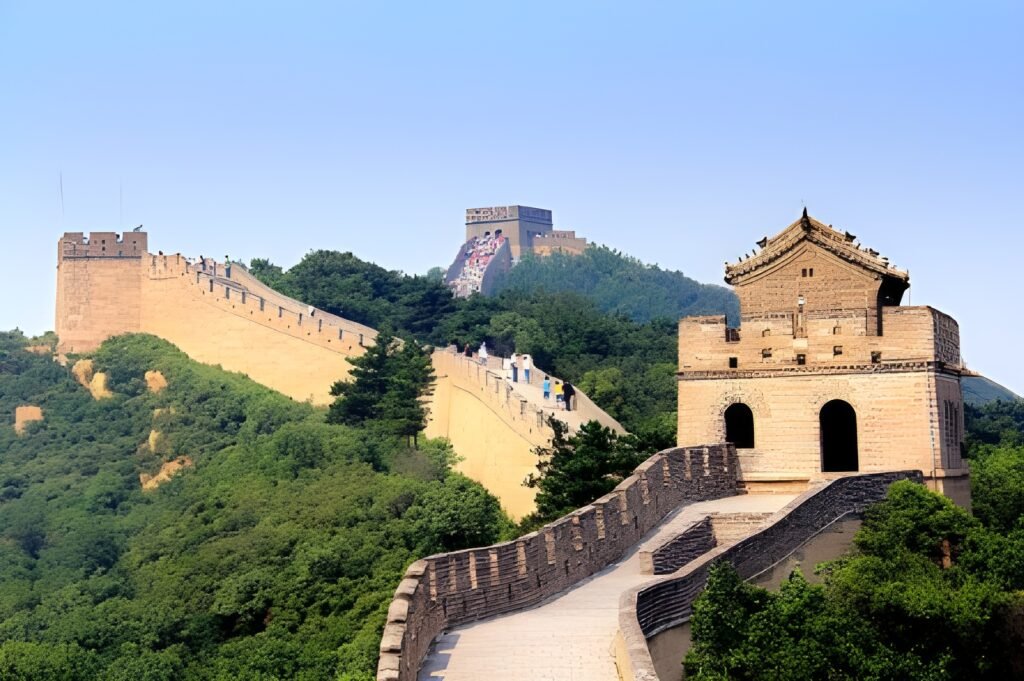
The Great Wall of China is the country’s most iconic landmark and the undisputed highlight of any China travel itinerary. Originally built as a massive defensive fortification to protect ancient China from invasions, the wall stretches an incredible 8,851.8 kilometers (5,500 miles) across northern China.
Running from Jiayuguan Pass in the west to Shanhaiguan Pass in the east, the Great Wall crosses nine provinces and municipalities, including Liaoning, Hebei, Tianjin, Beijing, Inner Mongolia, Shanxi, Shaanxi, Ningxia, and Gansu. This monumental stone structure stands as a powerful symbol of Chinese civilization and engineering brilliance. Recognized for its outstanding historical value, the Great Wall was designated a UNESCO World Cultural Heritage Site and remains the number one attraction among the top places to visit in China. Among the most popular and accessible sections are Badaling, Mutianyu, and Jinshanling, all located near Beijing and offering stunning views, restored pathways, and unforgettable hiking experiences.
Location: Across Northern China
Read more: 25 + Top Cheap Weekend Getaways in the U.S. for 2026
2 Forbidden City, Beijing
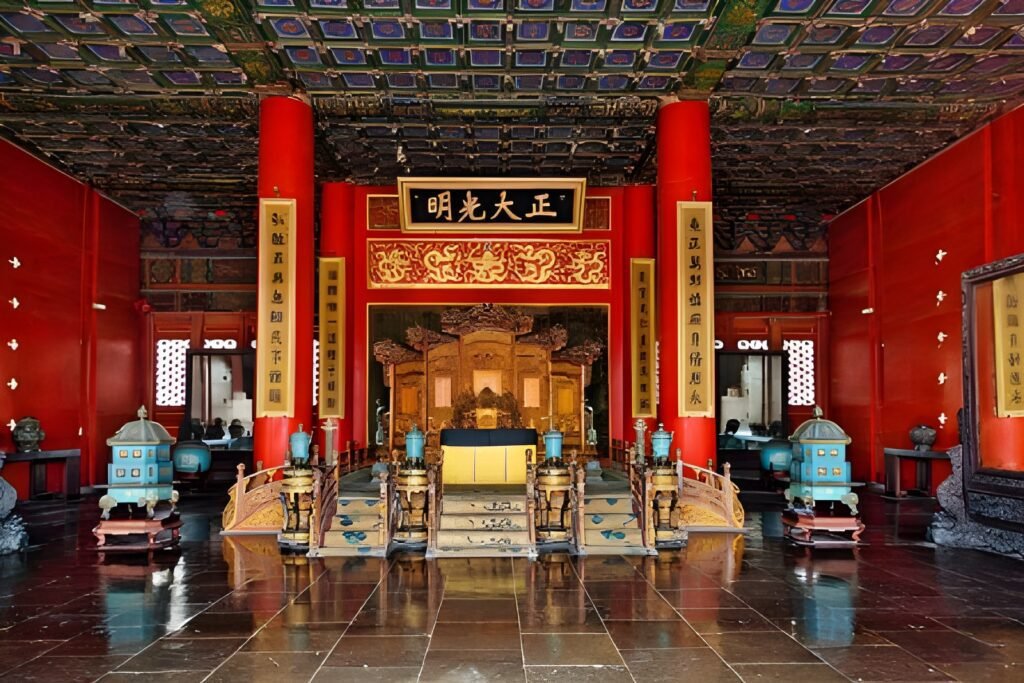
Located in the very heart of Beijing, the magnificent Forbidden City, officially known as the Palace Museum, stands as the ultimate symbol of China’s imperial power and heritage. Constructed during the Yongle period of the Ming Dynasty (1406–1420 AD), it is the largest and best-preserved wooden palace complex in the world. The vast architectural layout was designed with extraordinary precision, following strict feudal principles of hierarchy. Every hall, courtyard, and decorative element was carefully arranged to reflect the supreme authority and status of the emperor, making the Forbidden City a powerful expression of traditional Chinese governance and culture.
Today, the Forbidden City is regarded as a masterpiece of classical Chinese palatial architecture. In 1987, it was designated a UNESCO World Heritage Site and is also recognized by UNESCO as the world’s largest collection of preserved ancient wooden structures. Now serving as one of China’s most visited museums, it offers travelers a remarkable journey through more than 600 years of imperial history.
Read More: The 10 best Popular tourist places in Australia
3 Terracotta Warriors, Xi’an
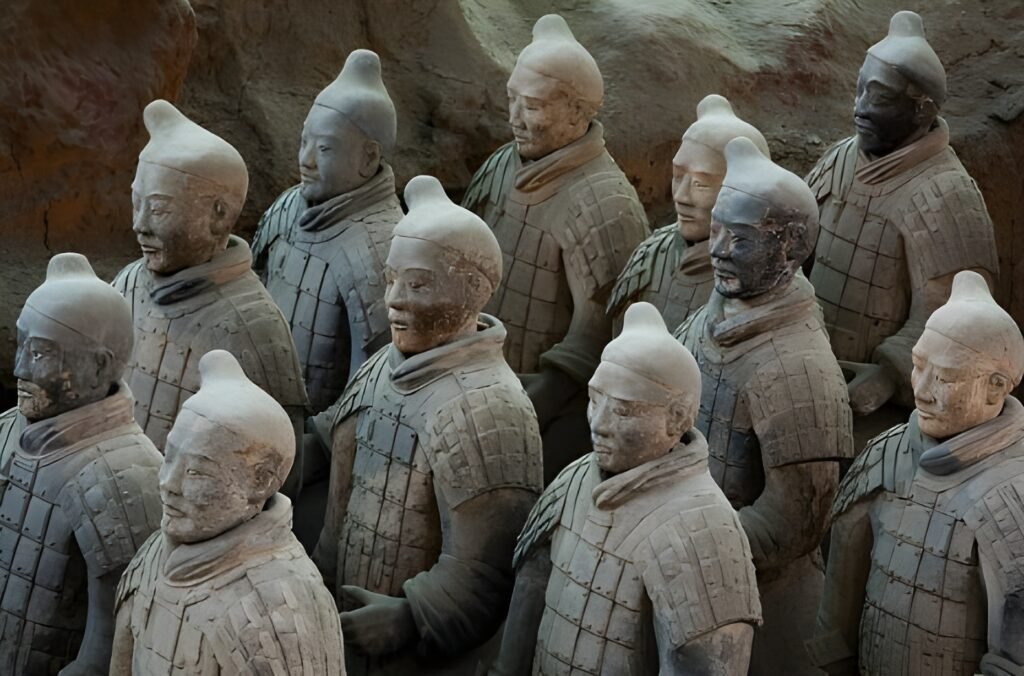
Considered one of the greatest archaeological discoveries in human history, the Xi’an Terracotta Warriors remained buried underground for more than 2,000 years until their accidental discovery in 1974. Often referred to as the “Eighth Wonder of the World,” the site is now the largest underground military museum on Earth. Created during the Qin Dynasty (221–206 BC), the life-sized terracotta army was built to guard China’s first emperor, Qin Shi Huang, in the afterlife. Thousands of intricately detailed warriors and horses stand in battle formation, each with unique facial features adding to the mystery and fascination surrounding the site.
The museum showcases four main types of figures: chariot warriors, infantry soldiers, cavalrymen, and horses, offering visitors an extraordinary glimpse into ancient Chinese military organization and craftsmanship. Recognized for its global historical significance, the Terracotta Army is listed as a UNESCO World Heritage Site and remains one of China’s most iconic and unforgettable attractions.
Read More: Most Popular 10+ Best places to visit in The Netherlands
4 Yangtze River
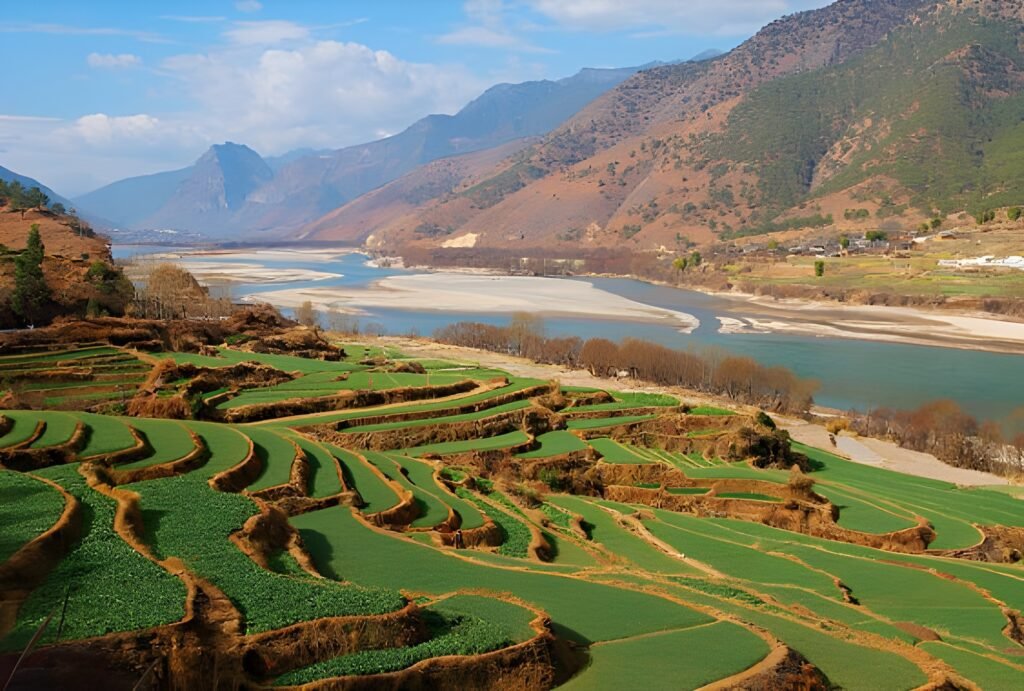
Known as the Mother River of the Chinese Nation and the true lifeblood of the country, the Yangtze River is the longest river in China and the third-longest in the world, stretching more than 6,300 kilometers (3,900 miles). It represents a remarkable blend of breathtaking natural scenery and thousands of years of Chinese civilization.
The Yangtze flows through nine provinces and municipalities, earning its poetic nickname, the “River That Travels Through Heaven,” before finally emptying into the East China Sea near Shanghai. One of its most spectacular sections lies between Chongqing and Yichang, where towering cliffs and dramatic landscapes define the famous Three Gorges region. A Yangtze River cruise is one of the best ways to experience this iconic waterway. Travelers can enjoy panoramic views of the legendary Three Gorges, widely considered among China’s most stunning natural attractions, as well as witness the engineering marvel of the Three Gorges Dam, the largest hydroelectric project in the world.
Location: Across southern China
Read: 10 Best Weekend Breaks on a Budget in Norway
5 Li River, Guilin

The Li River Scenic Area is widely regarded as one of the most beautiful karst landscapes in the world and a true symbol of southern China’s natural charm. Flowing gently through the heart of Guilin, the Li River reflects the spirit of the region, peaceful, graceful, welcoming, yet quietly powerful.
The highlight of the area is the 83-kilometer (52-mile) stretch from Guilin to Yangshuo, often described as the masterpiece of the Li River. Along this scenic waterway, towering limestone peaks, dramatic cliffs, emerald hills, and crystal-clear waters unfold like a living landscape painting. Often called a “hundred-mile picture gallery,” the Li River offers scenery so striking that it feels almost unreal. Its beauty goes beyond photographs and words; it’s a place best experienced in person, where the views are felt as much as they are seen.
Read more: Best Weekend Getaways from Singapore for Travel Lovers
6 Potala Palace, Lhasa

Originally built in the 7th century by King Songtsen Gampo, the magnificent Potala Palace rises dramatically above the city of Lhasa, standing as the most iconic landmark of Tibet. Perched atop Red Hill, the palace dominates the skyline and reflects centuries of spiritual and political history. This extraordinary castle-like architectural complex once served as the unified center of Tibet’s religious and political life. Spanning more than 360,000 square meters, the Potala Palace is a masterpiece of traditional Tibetan design, celebrated for its grand layout, intricate craftsmanship, and richly decorated interiors.
Inside, visitors can explore a remarkable collection of ancient scriptures, sacred murals, jeweled reliquaries, statues, and priceless artifacts, all preserved within an atmosphere of deep spiritual significance. Owing to its outstanding cultural value, the Potala Palace has been recognized as a UNESCO World Cultural Heritage Site and remains one of the most important historic monuments in Asia.
Read more: Amazing Budget-Friendly Weekend Getaways in Denmark
7 Yellow Mountain (Mt. Huangshan), Anhui

Located in the southern part of Anhui Province, Yellow Mountain (Huangshan) is one of China’s most famous scenic landmarks and is often referred to as the “No. 1 Mountain Under Heaven.” Renowned for its dramatic landscapes, Huangshan features towering granite peaks, uniquely shaped rock formations, sheer cliffs, deep valleys, and hidden caves, making it one of the most visually striking mountain destinations in the country. Yellow Mountain is celebrated for showcasing every classic element of Chinese mountain scenery. Its beauty constantly transforms due to shifting mist, clouds, and changing weather conditions, creating breathtaking views that vary from moment to moment and give the mountain its almost mythical atmosphere.
The scenic area is divided into several major sections, including the Beihai, Xihai, Songgu, Yungu, Yuping, Baiyun, and Hot Spring Scenic Areas, each offering unique viewpoints, hiking trails, and photographic highlights. Recognized for its outstanding natural and cultural value, Yellow Mountain was designated a UNESCO World Heritage Site in 1990. Today, it remains one of the top 10 must-visit attractions in China, drawing travelers from around the world seeking unforgettable mountain scenery.
Read More: Best amazing places at newzaland that you can visit
8 The Bund, Shanghai
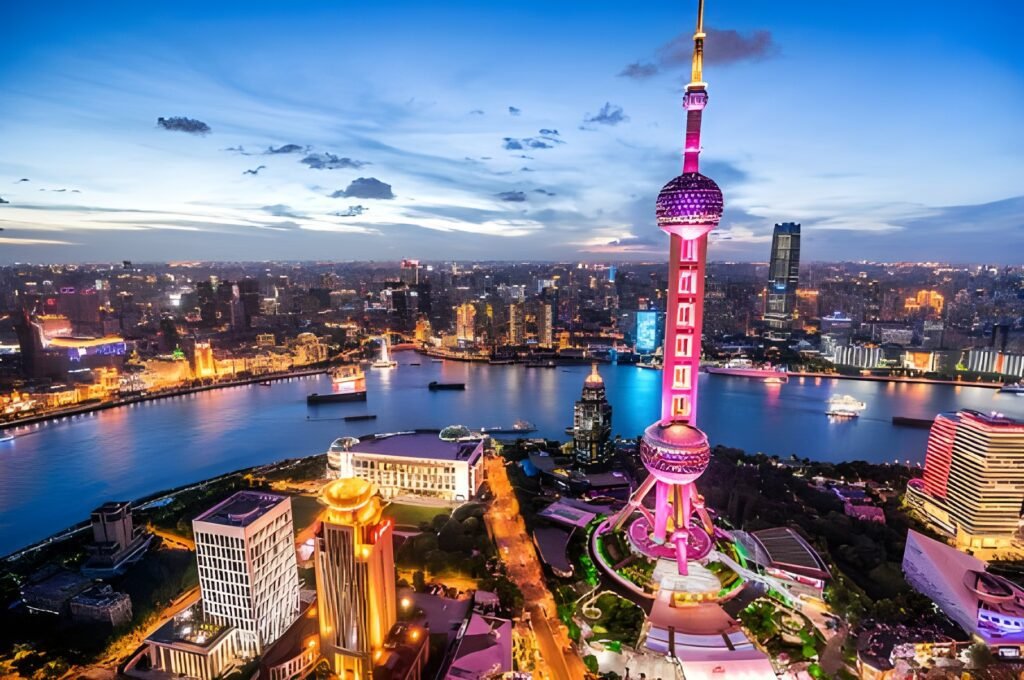
The Bund is Shanghai’s most iconic waterfront promenade, stretching 1.5 kilometers (1 mile) along the western bank of the Huangpu River. Often referred to as the city’s “exotic building gallery,” it remains one of the most visited and photographed attractions in Shanghai. Standing along the riverfront, the Bund showcases an impressive collection of early 20th-century architecture, built mainly between the 1920s and 1940s. These historic buildings represent a rare blend of architectural styles, including Gothic, Baroque, Romanesque, Renaissance, and Art Dec,o harmoniously combined to create a distinctive skyline that reflects Shanghai’s international past.
Across the river, the Bund faces the city’s futuristic skyline, highlighted by landmarks such as the Oriental Pearl TV Tower, Jin Mao Tower, and other soaring skyscrapers of Pudong. This striking contrast between old and new makes the area one of the most visually dramatic urban scenes in China. As night falls, the historic buildings are illuminated by golden floodlights, transforming the waterfront into a dazzling display of light and reflection. With its glowing skyline and riverside views, the Bund has become both a symbol of Shanghai and a must-see destination for visitors experiencing the city for the first time.
Read More: Top 12 Dreamy Destinations Close to Germany for Your Vacation.
9 West Lake, Hangzhou
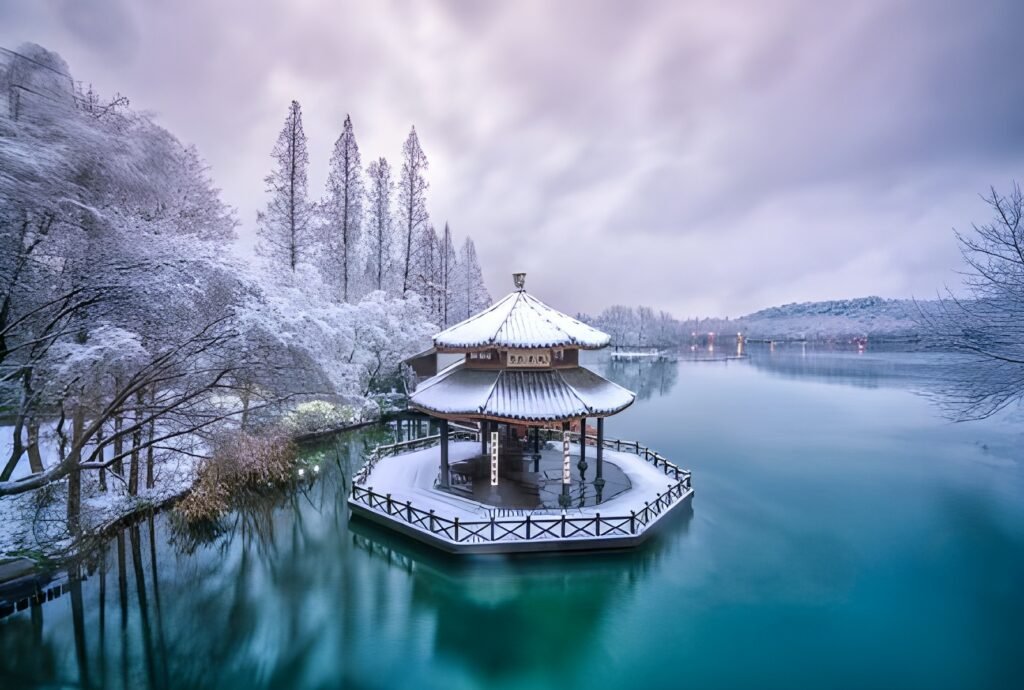
West Lake is Hangzhou’s most treasured natural landmark, often described as the city’s pride and soul. Located in the western part of Hangzhou, the lake is surrounded on three sides by lush green hills and is celebrated for its peaceful scenery, historic landmarks, cultural heritage, and local traditions. Renowned throughout China for its poetic beauty, West Lake is famous for its mirror-like waters, graceful causeways, and tree-lined paths where willows sway and seasonal flowers bloom. For centuries, Chinese poets and scholars have praised the lake as a place of timeless elegance and tranquility.
Legends say that West Lake was once a heavenly jewel that fell to Earth, while historians describe it as a naturally formed lagoon on Hangzhou’s western edge. Regardless of its origins, the lake’s serene landscapes have inspired artists, painters, and writers for more than a thousand years. Today, West Lake remains one of China’s most romantic and scenic destinations—a harmonious blend of nature, history, and culture that continues to captivate visitors from around the world.
Read More: Best Budget-Friendly Destinations in Sweden
10 Jiuzhaigou Valley, Sichuan

Located in the northern part of Sichuan Province, Jiuzhaigou Valley is often described as a real-life fairyland, famous for its breathtaking natural landscapes. The area is home to snow-capped mountain peaks, dense green forests, crystal-clear lakes, cascading waterfalls, and diverse wildlife, creating one of China’s most enchanting scenic destinations. Jiuzhaigou is especially celebrated as a world of water, renowned for having some of the clearest and most vividly colored lakes on Earth. Water is the soul of the valley, shaping its magical scenery through shimmering turquoise pools, multi-tiered waterfalls, and mirror-like reflections. As the seasons change, the valley transforms dramatically.
Autumn brings vibrant forests painted in gold and red, while winter covers the mountains in pristine snow, adding to the area’s dreamlike beauty. This rare combination of colorful lakes, icy falls, forests, and alpine peaks creates a landscape found nowhere else in the world. Recognized for its exceptional natural value, Jiuzhaigou Valley is listed as a UNESCO World Natural Heritage Site and remains one of the most spectacular natural destinations in China.
11 Guangzhou

While historic Beijing and vibrant Hong Kong often top travelers’ lists, Guangzhou remains my personal favorite city in China. As the birthplace of Cantonese culture, Guangzhou is the heart of everything Cantonese, from language and traditions to what many consider the best food in China. The city offers an authentic glimpse into southern Chinese life that feels both modern and deeply rooted in tradition. I lived in Guangzhou for six months and spent much of that time exploring its diverse neighborhoods. Despite being a massive metropolis, the city is surprisingly walkable, with each district offering its own personality and pace.
Three major areas stand out. Tianhe represents ultra-modern Guangzhou with skyscrapers, luxury malls, and nightlife. Yuexiu, the bustling city center, blends history with daily local life. Liwan, beautifully preserved and traditional, showcases classic Cantonese architecture and heritage streets. Each neighborhood easily deserves a full day of exploration, making Guangzhou feel like three cities in one. Beyond the urban core, there are countless surrounding attractions, meaning travelers could spend a full week in Guangzhou and still have plenty left to discover on a return visit.
One of the top experiences in the city is a Pearl River night cruise, where illuminated skyscrapers, bridges, and riverside landmarks create a stunning after-dark skyline. Guangzhou’s central location also makes it an ideal base for southern China travel. The city is about one hour by high-speed train from Shenzhen, which connects directly to Hong Kong, allowing travelers to explore Hong Kong, Shenzhen, and Guangzhou in a single trip.
For those willing to skip China’s most famous highlights, such as Beijing, the Terracotta Warriors, or panda reserve,s an excellent alternative itinerary is traveling by high-speed rail from Hong Kong to Guangzhou, then continuing onward to Xingping and Yangshuo, one of the most scenic regions in the country. And if you have extra time while in Guangzhou, the city also makes the perfect starting point for unforgettable day trips and side adventures across Guangdong Province.
Read more: Planning a Europe Trip? Try These Unforgettable Day Trips From Luxembourg
From ancient wonders to breathtaking natural landscapes, China offers an extraordinary range of travel experiences unlike anywhere else in the world. The Great Wall and Forbidden City reveal the power and legacy of imperial civilization, while the Terracotta Warriors provide an unforgettable glimpse into China’s ancient military history. Natural icons such as the Yangtze River, Li River, Yellow Mountain, West Lake, and Jiuzhaigou Valley showcase the country’s remarkable geographic diversity from dramatic gorges and karst peaks to crystal-clear lakes and mist-covered mountains.
Modern cities add another layer of contrast, with Shanghai’s Bund highlighting China’s global energy and architectural elegance, while spiritual landmarks like the Potala Palace in Lhasa reflect the nation’s deep cultural and religious heritage. Together, these destinations form a perfect balance of history, nature, tradition, and modern life.
Whether you’re drawn by ancient monuments, scenic landscapes, vibrant cities, or cultural treasures, these top places to visit in China offer unforgettable experiences for every type of traveler. Exploring them is not just a journey across the country; it’s a journey through thousands of years of human civilization and natural beauty.
Your feedback matters to us. Let us know how this article helped your travel planning experience.
Why Trust TourGid
Short breaks consistently prove more practical than week-long trips, not just because they squeeze into your schedule more easily, but because they do less damage to your bank account. TourGid contributors have hit the road to explore wallet-friendly spots across the country: forgotten state parks, coastal communities that fly under the tourism radar, you name it. Every time out, we’ve tracked what we actually spent and figured out where you can cut corners without sacrificing the parts of a trip that matter.
The destinations you’ll find here aren’t algorithmic suggestions; they’re places we’ve visited ourselves, with help from readers who’ve nailed the art of the weekend getaway. We’ve double-checked the numbers, confirmed current rates, and featured them because they deliver real experiences minus the usual sticker shock that comes with planning time away. However, if you want to read about
If you have any questions about this blog or the content, or any travel place, you can comment below. We are trying to discuss this place in our next content.