

Discovering the cheapest cities in Europe allows budget-conscious travelers to experience world-class culture, architecture, and cuisine without the premium prices of Western European capitals. According to recent tourism data and cost analysis, Eastern European destinations continue to dominate affordability rankings in 2026, offering exceptional value while maintaining safety, accessibility, and rich cultural experiences that rival their more expensive counterparts.
Europe budget travel remains highly achievable when strategic destination selection prioritizes cost-effectiveness alongside quality experiences. This comprehensive guide examines the most affordable European cities based on accommodation costs, dining expenses, transportation pricing, and attraction fees, providing budget-conscious travelers with verified daily cost estimates to plan memorable trips within financial constraints.
Understanding European Budget Travel in 2026
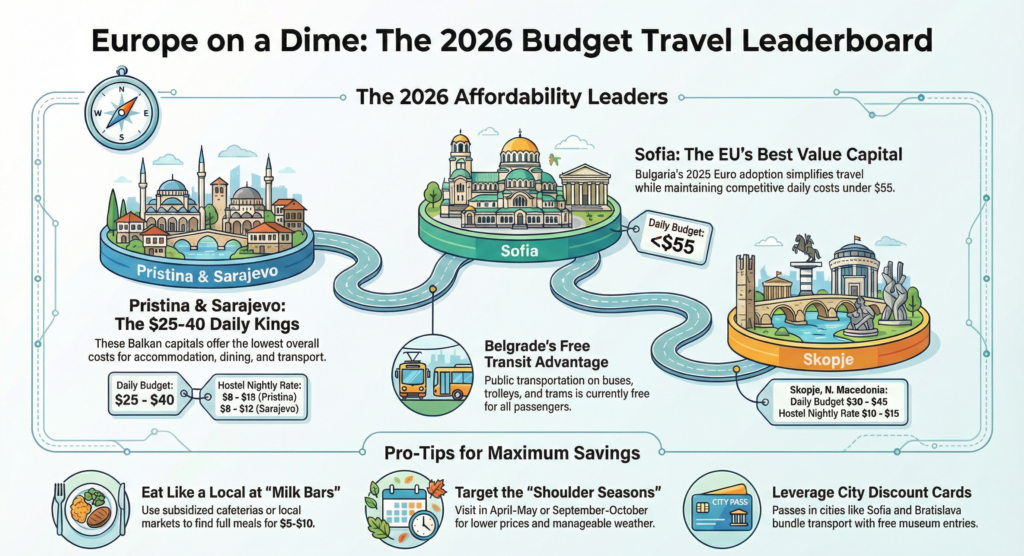
The European travel landscape in 2026 presents clear geographic pricing patterns. Eastern European nations, including Poland, Hungary, Bulgaria, Romania, and the Balkans, consistently offer the lowest daily costs for international visitors. Central European destinations like the Czech Republic and Slovakia provide moderate pricing, while Western and Northern European cities command premium rates.
According to the UK Post Office City Costs Barometer, Riga, Latvia, regained the title of Europe’s most budget-friendly city in 2026, with Eastern Europe occupying seven of the top ten most affordable positions. This pricing disparity stems from lower living costs, favorable exchange rates for travelers from Western nations, and less tourism-driven price inflation compared to established Western European destinations.
Budget travelers benefit from the European Union’s infrastructure standards, safety regulations, and transportation networks even in the continent’s most affordable cities. Schengen Area membership for many budget destinations allows seamless multi-country travel without border controls, maximizing time and minimizing complications during European adventures.
Read: 25 + Top Cheap Weekend Getaways in the U.S. for 2026
Top 10 Cheapest Cities in Europe (2026)
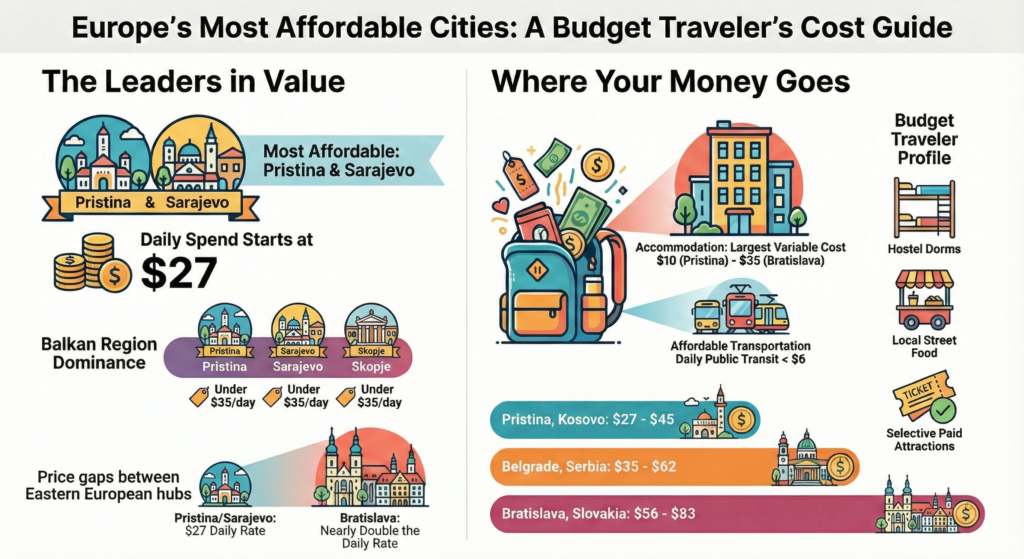
Daily Cost Breakdown Comparison: Based on publicly available tourism data and recent traveler reports, the following table summarizes expected daily costs per person for budget travelers in Europe’s cheapest cities:
| City | Accommodation | Food | Transport | Attractions | Total Daily |
|---|---|---|---|---|---|
| Pristina, Kosovo | $10-15 | $10-15 | $2-5 | $5-10 | $27-45 |
| Skopje, N. Macedonia | $12-18 | $12-18 | $2-5 | $5-10 | $31-51 |
| Sarajevo, Bosnia | $10-15 | $10-15 | $2-5 | $5-10 | $27-45 |
| Sofia, Bulgaria | $15-25 | $12-18 | $3-6 | $5-12 | $35-61 |
| Belgrade, Serbia | $15-25 | $12-20 | $0-2 | $8-15 | $35-62 |
| Krakow, Poland | $15-25 | $15-25 | $3-8 | $10-15 | $43-73 |
| Budapest, Hungary | $18-30 | $15-25 | $4-8 | $10-15 | $47-78 |
| Riga, Latvia | $20-30 | $15-25 | $3-8 | $8-15 | $46-78 |
| Vilnius, Lithuania | $20-30 | $15-20 | $3-8 | $8-12 | $46-70 |
| Bratislava, Slovakia | $25-35 | $18-25 | $3-8 | $10-15 | $56-83 |
These estimates assume budget traveler choices, including hostel dormitories or basic private rooms, meals primarily at local restaurants and street vendors, public transportation usage, and selective attraction visits mixing free and paid options.
Read: The 10 best Popular tourist places in Australia
1. Pristina, Kosovo
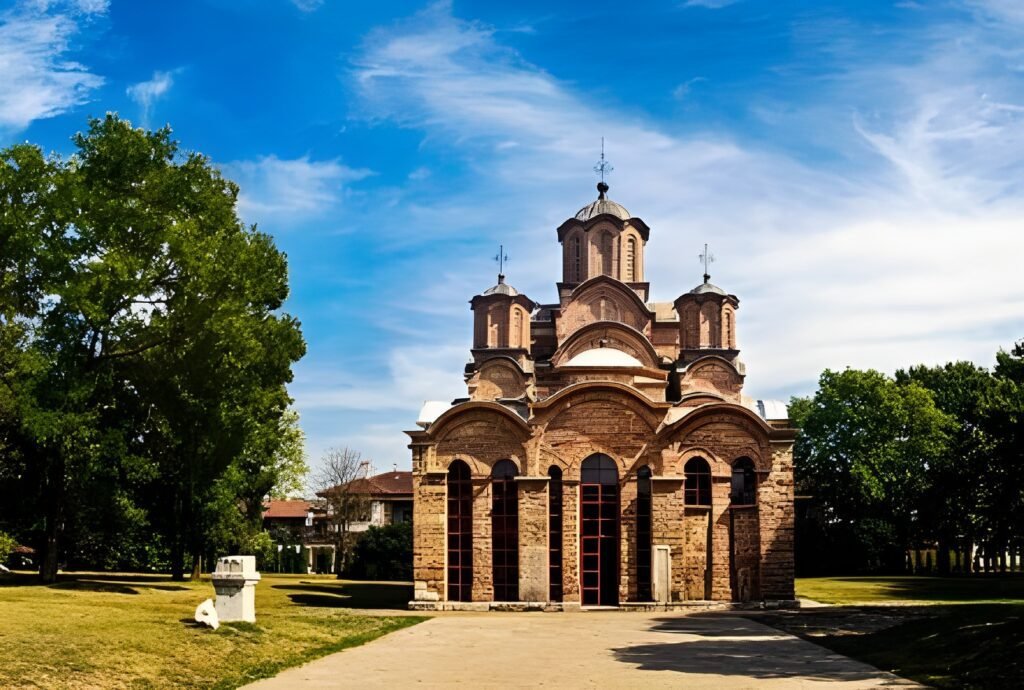
Pristina, capital of one of Europe’s youngest countries, ranks as the most affordable European city based on a comprehensive cost analysis. According to tourism data, the city achieves exceptional value across accommodation, dining, and transportation categories.
Budget accommodation starts from approximately $8-15 per night in hostels, with mid-range hotels available for $30-50 nightly. Traditional restaurants serve complete meals for $5-8, while street food costs just $2-4. Public transportation remains remarkably inexpensive, with bus fares around $0.50 per ride.
Pristina offers fascinating recent history, vibrant cafe culture, and proximity to natural attractions, including the Rugova Mountains. The city serves as an excellent base for exploring Kosovo and neighboring Balkan nations. Limited international recognition means fewer tourists and exceptionally authentic experiences.
- Daily Budget Estimate: $25-40 per person
Read: 10 Most Breathtaking Places to Explore in Canada
2. Skopje, North Macedonia

Skopje, North Macedonia’s capital, combines ancient Balkan bazaars with contemporary architecture and monuments. The city operates the oldest bazaar in the Balkans and showcases fascinating cultural fusion between Ottoman, Byzantine, and modern influences.
According to budget travel data, hostel dormitories cost approximately $10-15 per night, while private rooms in budget hotels range from $20-35 nightly. Traditional Macedonian meals cost $5-10 at local restaurants, with street food available for $2-4. The city offers numerous free walking tours providing an excellent introduction to local history and culture.
Public transportation proves exceptionally affordable, with bus tickets costing approximately $0.30-0.50 per ride. Many central attractions require no entrance fees, including the Old Bazaar, Stone Bridge, and Kale Fortress. The city’s compact size allows extensive walking, minimizing transportation expenses.
- Daily Budget Estimate: $30-45 per person
Read: 10 + Best UK Places to Visit for Your Next Adventure
3. Sarajevo, Bosnia and Herzegovina

Sarajevo blends Ottoman mosques, Austro-Hungarian architecture, and 20th-century history into one of Europe’s most culturally rich yet affordable capitals. Based on publicly available travel information, Bosnia and Herzegovina consistently ranks among Europe’s cheapest countries overall.
Budget accommodation ranges from $8-12 per night in hostels to $25-40 for mid-range hotels. According to recent cost data, street food starts at $1-3, while full restaurant meals cost $5-12. The city’s compact historic center allows extensive exploration on foot without transportation costs.
Sarajevo offers sobering historical sites, including the Tunnel Museum documenting the 1990s siege, the Latin Bridge where Archduke Franz Ferdinand was assassinated, and numerous war memorials. Coffee culture thrives in the Baščaršija (old bazaar), where traditional Bosnian coffee costs just $1-2. Free walking tours provide excellent historical context.
- Daily Budget Estimate: $25-40 per person
Read: Planning a Europe Trip? Try These Unforgettable Day Trips From Luxembourg
4. Sofia, Bulgaria
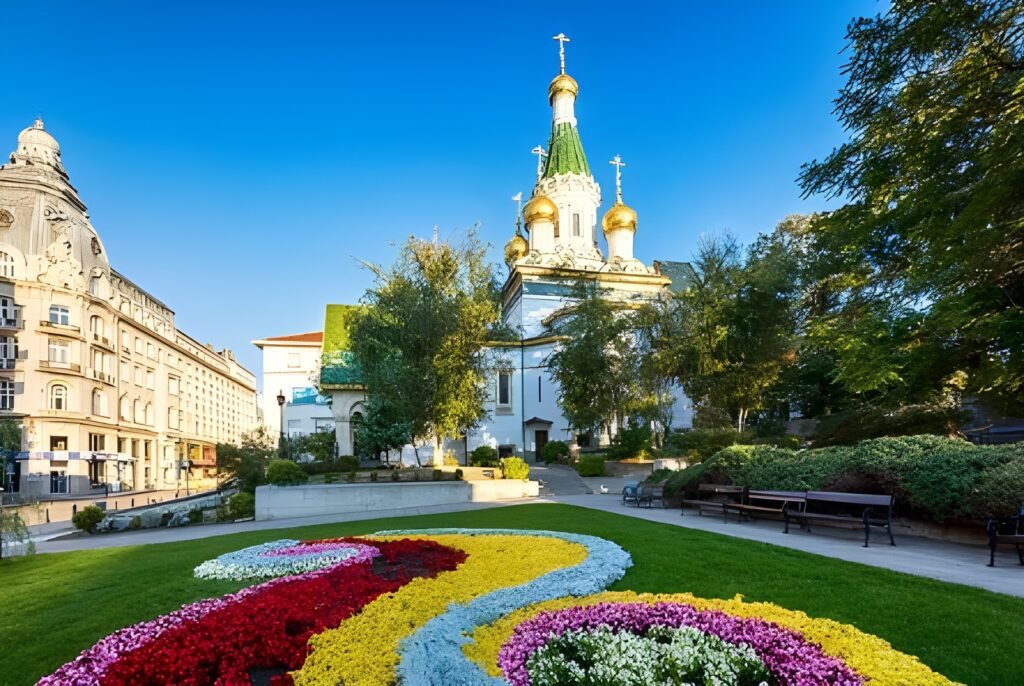
Sofia, Bulgaria’s capital, delivers exceptional value as the European Union’s most affordable capital city. Bulgaria adopted the Euro in 2025, simplifying transactions for travelers from Eurozone countries while maintaining competitive pricing.
According to tourism cost data, budget accommodations range from $25-50 per night with excellent availability. Mid-range hotels cost approximately $50-80 nightly. Traditional milk bars (bary mleczne subsidized cafeterias) serve hearty Bulgarian meals for approximately €7-10, while street food costs €3-5.
The city offers numerous free attractions, including Alexander Nevsky Cathedral, Sveta Nedelya Church, St. George Rotunda, and extensive parks. The SoFun Bulgaria Discount Card costs approximately €6 monthly and provides discounts on attractions, dining, shopping, and entertainment. Public transportation remains affordable with single tickets around €1-1.50.
Sofia combines Roman ruins, Byzantine churches, Communist-era architecture, and modern development. Nearby Vitosha Mountain offers free hiking and spectacular city views. The city’s blend of cultural layers creates fascinating exploration opportunities without premium pricing.
- Daily Budget Estimate: $35-55 per person
Read: Best Budget-Friendly Destinations in Sweden
5. Belgrade, Serbia
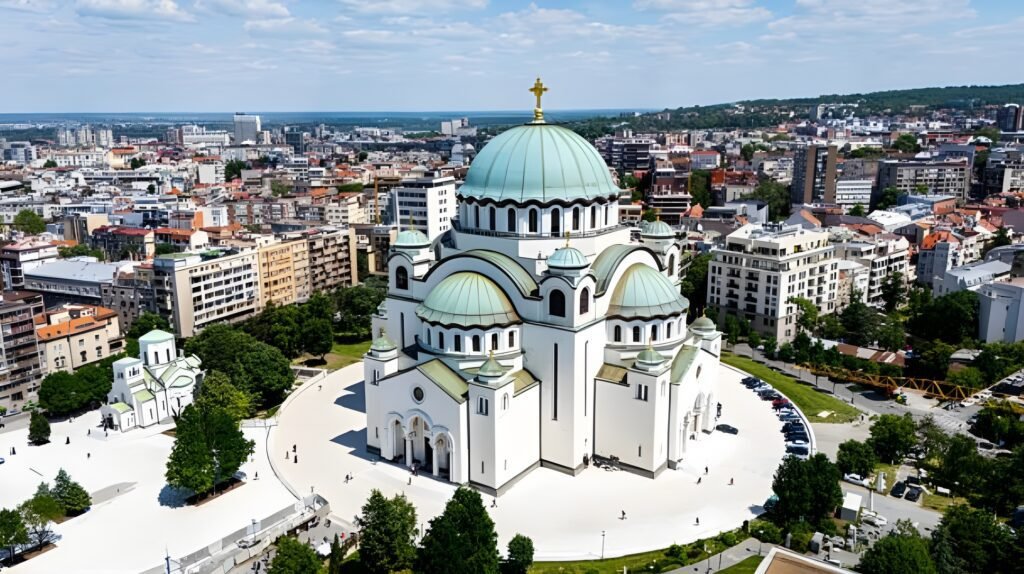
Belgrade, Serbia’s capital, ranks consistently among Europe’s most affordable cities while offering vibrant nightlife, rich history, and Danube riverfront charm. Public transportation operates free for all passengers on buses, trolleys, and trams, eliminating daily transit costs.
Budget accommodation costs approximately $15-25 per night in hostels, with mid-range hotels ranging from $40 to $60 nightly. Restaurant meals cost $8-15 for traditional Serbian cuisine, while street food runs $3-6. The Church of Saint Sava, one of the world’s largest Orthodox churches, offers free admission alongside numerous other cultural sites.
Belgrade’s public transportation system, while less sophisticated than Western European networks, provides free service, eliminating a major budget category. The city’s fortress, parks, and riverside areas require no entrance fees. Kafana culture (traditional Serbian taverns) offers affordable local experiences with live music and an authentic atmosphere.
- Daily Budget Estimate: $30-50 per person
Read: Top 12 Dreamy Destinations Close to Germany for Your Vacation.
6. Krakow, Poland

Kraków, Poland’s second-largest city and primary tourist destination, maintains exceptional affordability despite growing international popularity. According to recent travel cost data, Krakow offers significantly lower expenses than Western European alternatives while delivering world-class attractions and UNESCO-listed architecture.
Budget travelers can visit Krakow for approximately $30-50 daily. Hostel dormitories cost $10-15 per night, while private budget hotel rooms range from $30 to $50 nightly. Traditional milk bars serve filling Polish meals for approximately 30 PLN ($7.50), with main courses including pierogi, pork cutlets, and hearty soups.
The city’s compact medieval center allows extensive walking. Public transport costs approximately 4-5 PLN ($1-1.50) per ride, with day passes starting at 15 PLN. Free walking tours operate daily, and the UNESCO-listed Old Town requires no entrance fees. Auschwitz tours, while emotionally intense, cost approximately $25-35, including transportation.
Kraków showcases stunning Gothic and Renaissance architecture, vibrant student culture (25% of the population), extensive green spaces, and proximity to both natural attractions and historical sites. The city’s affordability, combined with cultural richness, creates exceptional value for budget travelers.
- Daily Budget Estimate: $30-60 per person
Read: Best amazing places at newzaland that you can visit
7. Budapest, Hungary
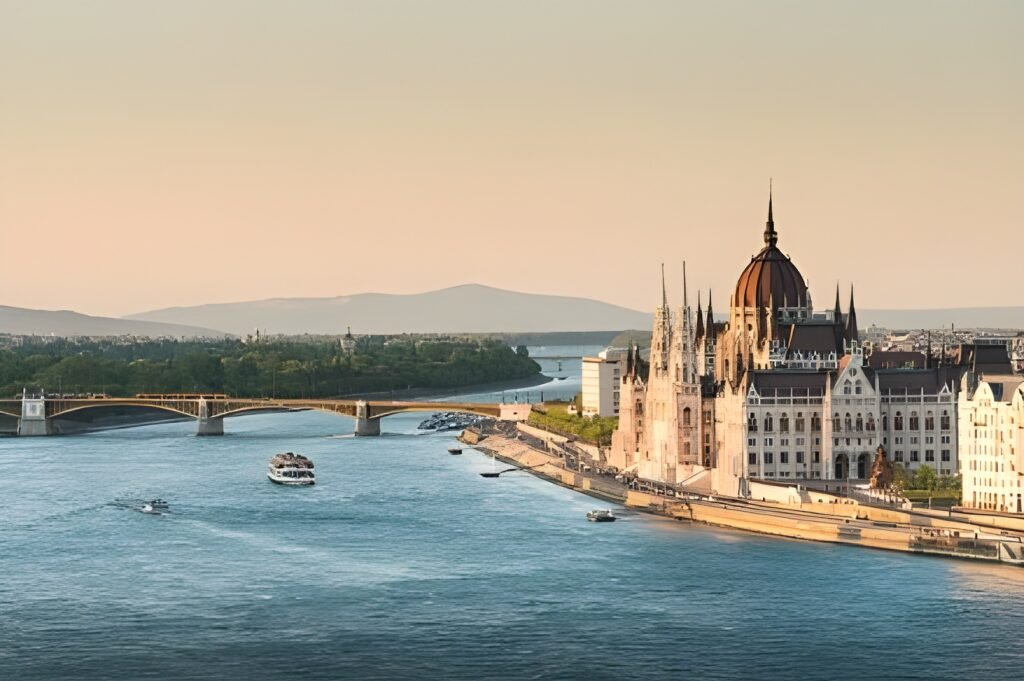
Budapest maintains its reputation as one of Europe’s best-value capitals in 2026. According to tourism data, the city offers approximately 19% lower living costs than the United States averages, creating excellent value for North American travelers alongside European visitors.
Budget travelers can experience Budapest for approximately $35-60 daily. Hostel beds cost $12-20 per night, while mid-range hotels range from $50 to $80 nightly. Traditional Hungarian meals at self-service restaurants cost approximately 1,000 HUF ($3-5), with street food including lángos (fried dough), chimney cake, and sausages for similar prices.
Public transportation proves highly affordable with single tickets costing approximately 450 HUF ($1.30), while day passes start at 1,650 HUF ($4.80). The city’s famous thermal baths, while not free, offer exceptional value with entry around 6,000-7,000 HUF ($17-20) for full-day access to historic bathing complexes.
Budapest’s architectural beauty, Danube riverfront, ruin bars, and cultural attractions create memorable experiences at a fraction of Western European costs. Free walking tours provide excellent city orientation, while many viewpoints, including Gellért Hill, require no entrance fees.
- Daily Budget Estimate: $35-65 per person
Read: Amazing Places to Visit in Thailand – My Favorites
8. Riga, Latvia
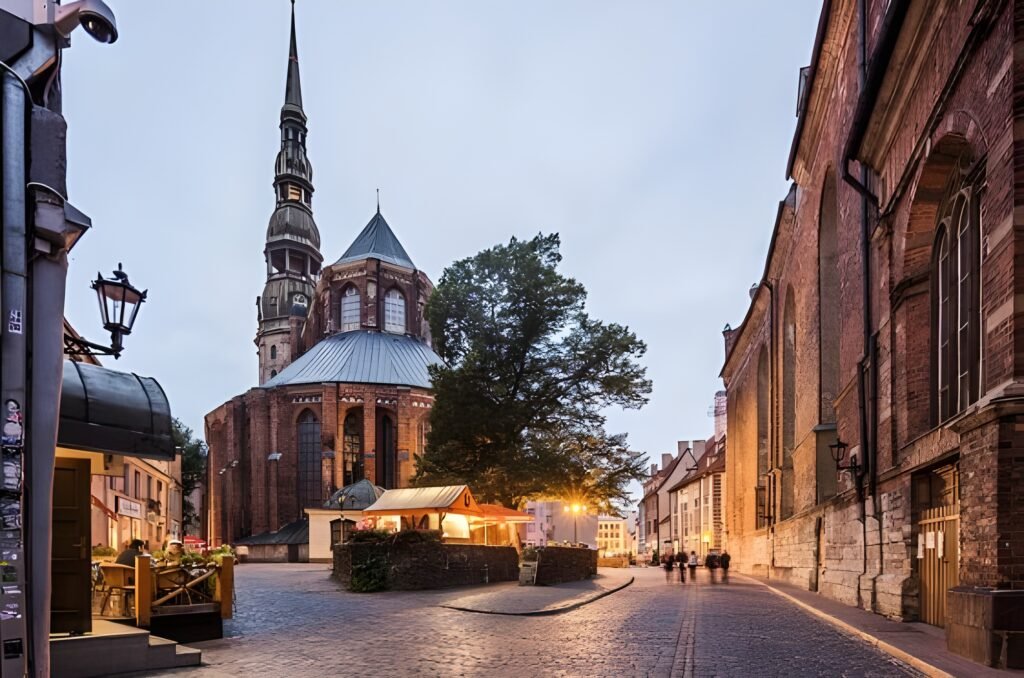
Riga regained Europe’s most budget-friendly city title in 2026, according to the UK Post Office rankings. The Baltic capital combines medieval Old Town, Art Nouveau architecture, and coastal charm with exceptional affordability for international visitors.
According to tourism cost data, budget accommodations start around $20-30 per night in hostels, with mid-range hotels ranging $50-70 nightly. Restaurant meals cost approximately €8-15, while street food and market vendors offer options for €3-6. The Central Market, housed in converted Zeppelin hangars, provides affordable local food and cultural immersion.
Riga’s compact UNESCO-listed Old Town allows extensive walking exploration without transportation costs. When needed, public transport tickets cost approximately €1.50-2 per ride. Many churches, including the iconic Dome Cathedral, charge nominal entrance fees of €3-5. Free walking tours operate daily during tourist season.
The city’s Art Nouveau district contains over 800 buildings representing one-third of all structures in the city center, creating an outdoor museum requiring no admission fees. Nearby beaches and forests provide free natural recreation. Latvia’s Baltic coastline and Gauja National Park offer affordable day trip opportunities.
- Daily Budget Estimate: $35-60 per person
Read:Best 10 Places to Visit in Djibouti | Unmissable 2026 Guide
9. Vilnius, Lithuania
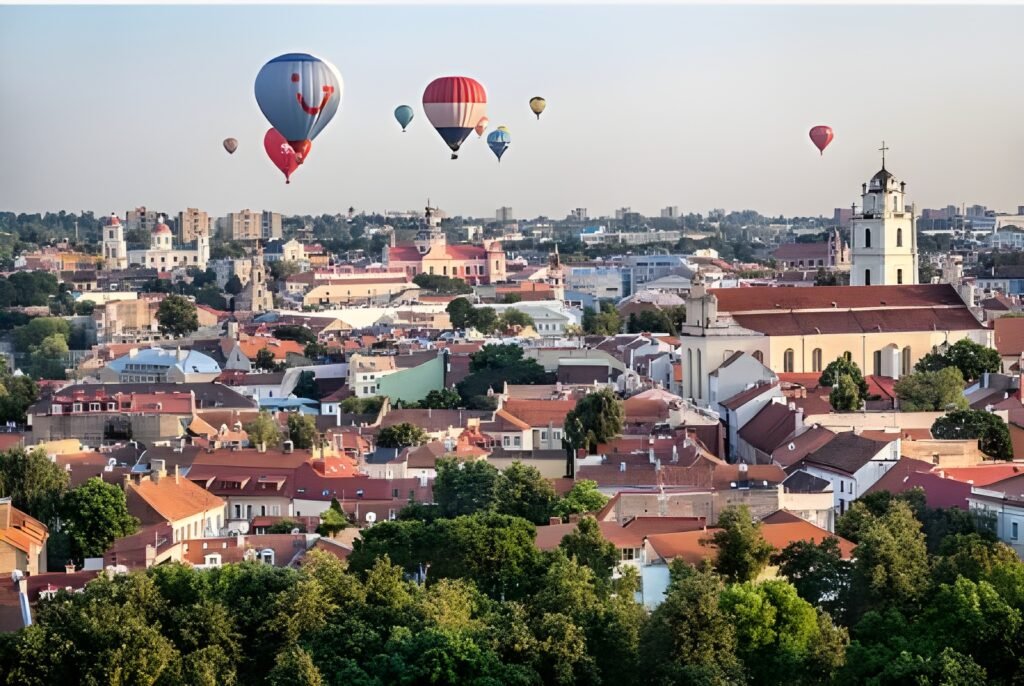
Vilnius, Lithuania’s capital, dropped to second place in 2026 affordability rankings due to slight hotel price increases but maintains exceptional value for budget travelers. The city’s baroque Old Town, with UNESCO World Heritage status, and vibrant arts scene create compelling experiences at reasonable costs.
Budget accommodations range from $20-35 per night in hostels and budget hotels. Restaurant meals cost approximately €8-12, with traditional Lithuanian dishes including cepelinai (potato dumplings) and šaltibarščiai (cold beet soup) available at modest prices. Street food and market vendors offer options for €3-5.
Public transportation tickets cost approximately €1 per ride with day passes providing unlimited travel for around €5. The city operates excellent free walking tours covering Old Town highlights, Jewish heritage, and alternative art districts. Many churches and viewpoints require no entrance fees.
Vilnius showcases fascinating Soviet history alongside medieval heritage. The former KGB Museum (Museum of Occupations and Freedom Fights) charges approximately €4 entry. Užupis, the city’s self-declared artist republic, offers quirky charm and bohemian atmosphere entirely free to explore.
- Daily Budget Estimate: $35-55 per person
Read: Best Places to Visit in Spain 2026 | Gorgeous Destinations
10. Bratislava, Slovakia
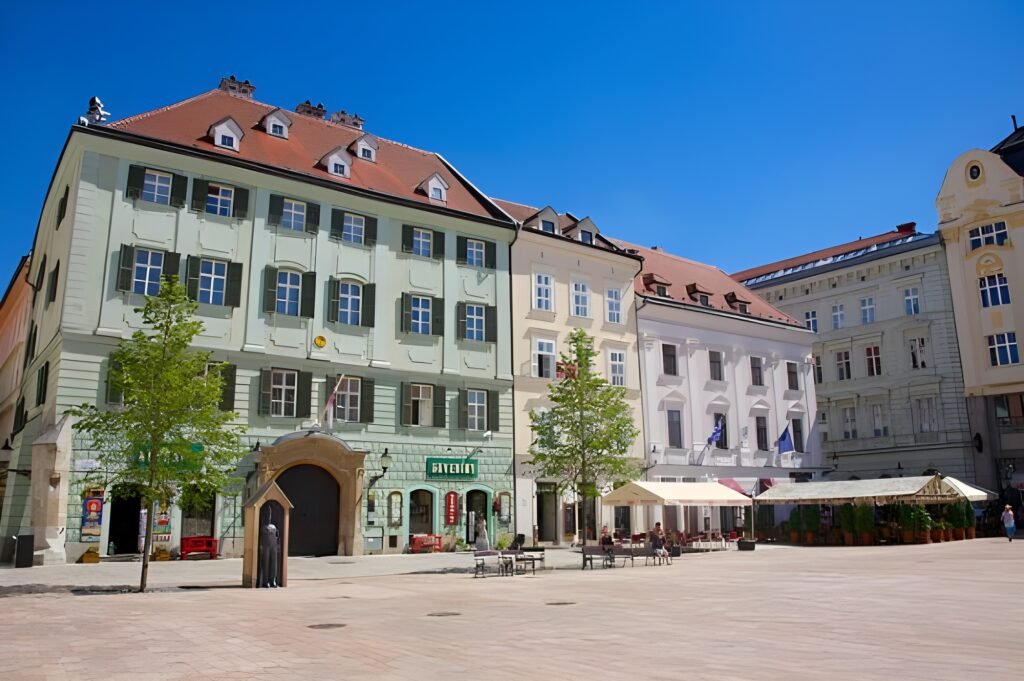
Bratislava, Slovakia’s fairy-tale capital along the Danube, offers remarkable value despite proximity to expensive Vienna (just one hour away). The city’s compact size, walkable Old Town, and affordable pricing create excellent conditions for budget travelers.
According to tourism data, stylish hotels often cost below $150 per night, with budget accommodations ranging $30-50 nightly. Traditional Slovak meals cost approximately €8-12 at local restaurants. The city’s compact center allows extensive walking, minimizing transportation expenses.
The Bratislava Card covers entrance to over 20 museums and attractions including Bratislava Castle, provides public transport access, offers restaurant and store discounts, and includes a city walking tour. Wandering the Old Town and strolling along the Danube requires no expenses while delivering picturesque architecture and river views.
Bratislava serves as an excellent base for exploring the region, with Vienna, Budapest, and Prague all accessible within a few hours. The city’s smaller size and lower tourist density compared to regional neighbors provide more authentic local experiences at significantly reduced costs.
- Daily Budget Estimate: $40-65 per person
Read: Best Place Where to Travel in Colombia in This Year ?
Additional Budget-Friendly European Cities
Bucharest, Romania
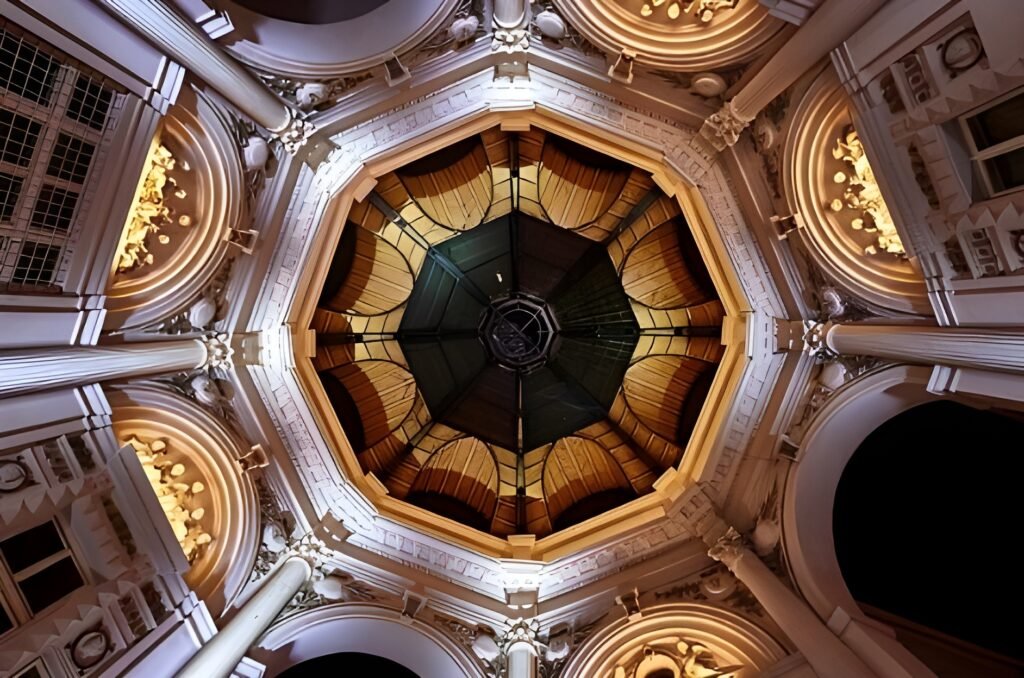
Romania’s capital offers Art Nouveau boulevards, massive Communist-era architecture, and vibrant nightlife at exceptionally low prices. Daily budgets range approximately $35-60 per person with hostels from $10-20 nightly and restaurants serving traditional Romanian meals for $6-12.
Mostar, Bosnia and Herzegovina
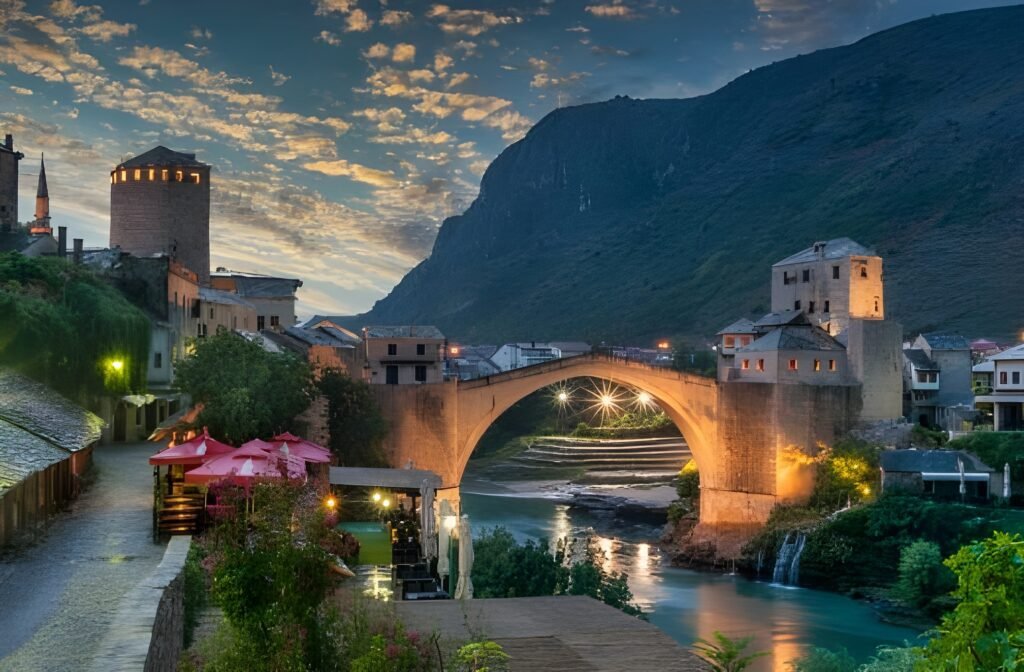
This historic Bosnian city showcases the famous Stari Most (Old Bridge), Ottoman architecture, and stunning natural scenery. As one of the most affordable cities on budget lists, daily costs range approximately $25-40 per person with exceptional food value.
Tallinn, Estonia
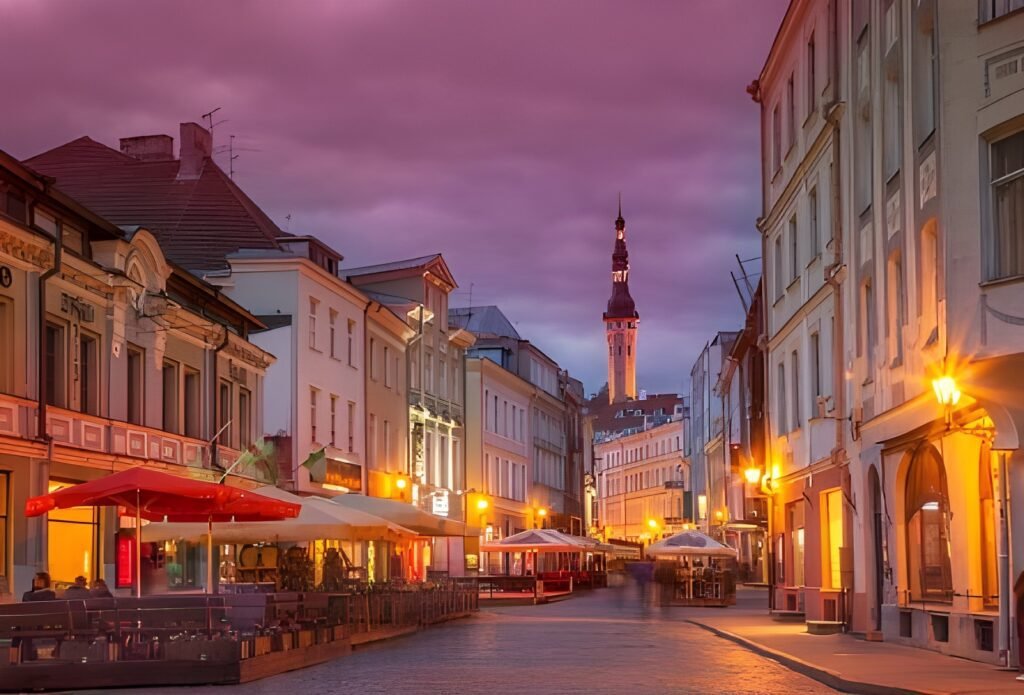
Estonia’s medieval capital combines UNESCO-listed Old Town with digital-age innovation. While slightly more expensive than deeper Eastern European destinations, Tallinn offers excellent value with daily budgets around $45-70 per person.
Tirana, Albania
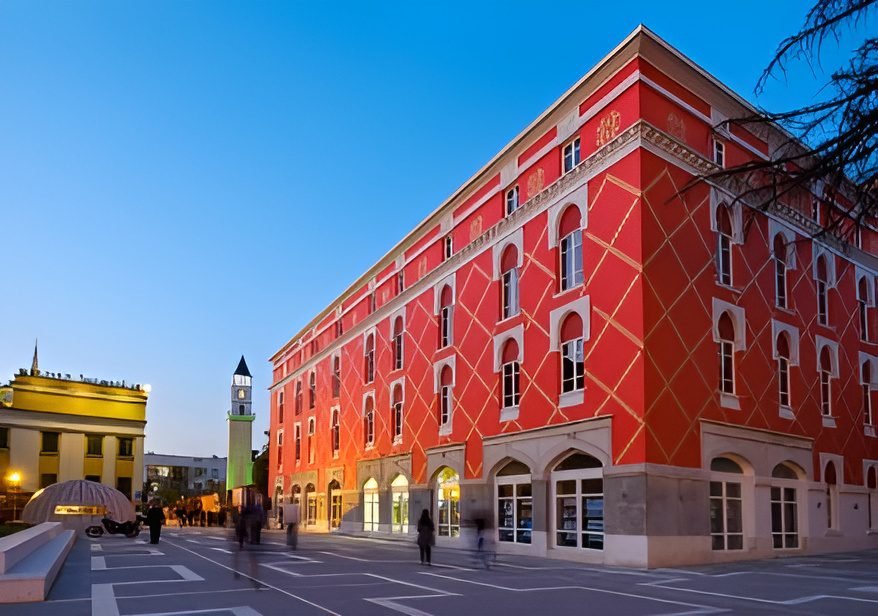
Albania’s rapidly developing capital delivers a Mediterranean climate, vibrant cafe culture, and proximity to the Albanian Alps and Riviera at budget-friendly prices. Daily costs range approximately $30-50 per person, with accommodation from $15-30 nightly.
Porto, Portugal
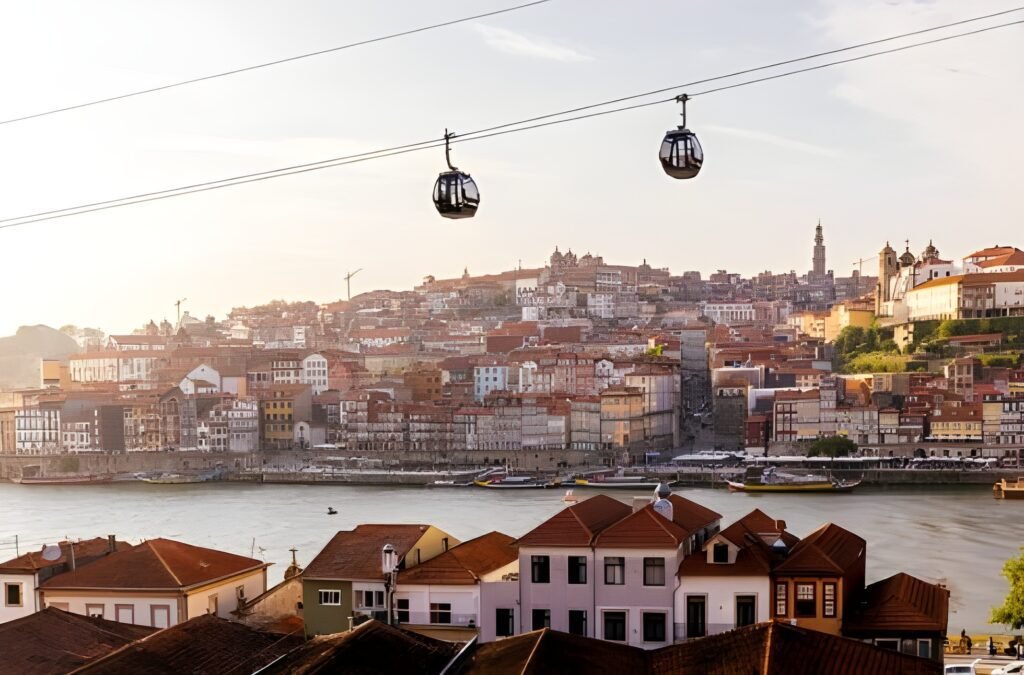
Western Europe’s most affordable major city, Porto, offers a spectacular riverside setting, port wine culture, and a charming historic center. Daily budgets range approximately $50-80 per person, higher than Eastern European alternatives but exceptional value for Western Europe.
Money-Saving Strategies for European Budget Travel
- Accommodation Savings: Hostels provide the most affordable lodging options across budget European cities. Private rooms in hostels cost less than budget hotels while offering a social atmosphere and traveler networks. Booking directly with smaller properties often yields better rates than third-party platforms. Consider staying in residential neighborhoods slightly outside city centers with good public transport connections. These areas offer authentically priced accommodations, avoiding tourist-area premiums. Guest houses, pensions, and family-run establishments frequently include breakfast and local insights at competitive prices.
- Food Cost Management: Eating where locals eat rather than tourist restaurants dramatically reduces food expenses. Markets, street food vendors, and neighborhood eateries offer authentic cuisine at realistic prices. Many Eastern European countries maintain government-subsidized cafeterias (milk bars in Poland, self-service restaurants in Hungary) serving traditional meals at exceptional value. Shopping at supermarkets for breakfast items, snacks, and picnic supplies saves substantially compared to dining out for every meal. Local bakeries provide fresh bread, pastries, and sandwiches at a fraction of cafe prices. Daily lunch specials at restaurants often cost significantly less than dinner pricing.
- Transportation Efficiency: Most budget European cities operate extensive, affordable public transportation. Multi-day passes often provide better value than individual tickets for travelers making multiple daily trips. Walking maximizes budget effectiveness while offering an intimate city exploration impossible from buses or metros. BlaBlaCar and similar ride-sharing platforms offer intercity travel at lower costs than trains or buses. Advance train booking sometimes yields discounted fares. Budget airlines, including Ryanair and Wizz Air, connect European cities at remarkably low prices when booked early with flexible travel dates.
- Attraction Access: Free walking tours operate in most major European cities, providing excellent orientation and historical context while operating on a tip-based model. City tourist cards often bundle transportation with attraction access, delivering value when visiting multiple paid sites. Many museums offer free admission on specific days or times. Exploring cities on foot, visiting parks and viewpoints, and enjoying architectural beauty requires no entrance fees while often providing the most memorable experiences. Churches typically charge minimal entrance fees or operate on da onation basis.
Seasonal Pricing Variations
Summer (June-August) represents peak tourist season across Europe with highest accommodation prices, crowded attractions, and premium rates for many services. However, longer daylight hours and warmer weather create optimal conditions for outdoor exploration and evening activities.
Shoulder seasons (April-May and September-October) provide an excellent balance between reasonable weather and moderate pricing. Accommodation costs drop compared to summer peaks while attractions operate on full schedules with manageable crowds. Spring brings blooming flowers and festivals, while autumn delivers spectacular foliage and harvest celebrations.
Winter (November-March, excluding Christmas/New Year periods) offers the lowest accommodation prices and minimal tourist crowds. However, shorter daylight hours, cold weather, and reduced operating hours at some attractions present considerations. Christmas markets create a magical winter atmosphere, though prices increase during holiday weeks.
Regional Considerations
Mediterranean coastal destinations see dramatic pricing variations between summer and winter. Beach-focused cities like Albanian Riviera or Croatian coast operate primarily May through September with many establishments closed during winter. Mountain destinations including Polish or Romanian highlands experience opposite patterns with winter ski seasons commanding premium prices.
Capital cities maintain relatively stable year-round operations though accommodation prices fluctuate with seasons. Cultural attractions, museums, and urban experiences operate consistently making city destinations reliable for winter budget travel when accommodation bargains peak.
Safety and Quality Considerations
Budget European destinations, particularly those in Eastern Europe and the Balkans, consistently rank among the world’s safest countries. Poland regularly appears in global safety rankings, while cities like Riga, Vilnius, and Tallinn maintain exceptional security records. Serbia, Bosnia, and Kosovo have stabilized significantly since the 1990s conflicts and now welcome millions of tourists annually.
Standard travel precautions apply universally: remain aware in crowded tourist areas where pickpocketing occasionally occurs, avoid displaying excessive wealth or valuables, and research neighborhoods when selecting accommodations. However, violent crime against tourists remains exceptionally rare throughout budget European destinations.
Infrastructure quality in Eastern European capitals often equals or exceeds Western European standards. EU membership drives infrastructure investment, safety regulations, and service standards even in the continent’s most affordable cities. Public transportation, accommodation facilities, and tourist services maintain reliability and cleanliness competitive with expensive alternatives.
Budget Travel Beyond Daily Costs
- Visa Requirements: Many budget European destinations fall within the Schengen Area, allowing passport holders from numerous countries visa-free entry for up to 90 days within 180-day periods. United States, Canada, Australia, and the United Kingdom citizens enjoy visa-free access to most European budget destinations. Serbia, Bosnia and Herzegovina, Kosovo, and Albania operate outside Schengen but maintain their own generous visa policies. Always verify specific entry requirements based on nationality through official embassy resources before finalizing travel plans.
- Language Considerations: English proficiency varies across budget European destinations but tourist areas generally maintain sufficient English capability for traveler needs. Younger populations in cities like Krakow, Budapest, Riga, and Bratislava typically speak excellent English. Learning basic phrases in local languages demonstrates respect and enhances interactions.
- Currency Management: Bulgaria adopted the Euro in 2025, simplifying transactions for Eurozone travelers. Poland uses złoty (PLN), Hungary uses forint (HUF), Czech Republic uses koruna (CZK), and Romania uses leu (RON). Serbia, Bosnia, and North Macedonia maintain their own currencies. Always pay in local currency rather than euros when offered choice to avoid unfavorable exchange rates. ATMs provide better exchange rates than airport or hotel currency exchanges. Credit cards enjoy wide acceptance in cities, though small vendors and markets may require cash. Notify banks of international travel to avoid card blocks.
Frequently Asked Questions
Which European country is the cheapest for tourists in 2026?
Based on comprehensive cost analysis, Bosnia and Herzegovina and Bulgaria offer the lowest overall expenses for tourists, with hostel accommodation from $8 per night and complete meals from $5-12. However, the cheapest country depends on specific cities visited and individual travel style. Kosovo, Serbia, and North Macedonia also rank among the most affordable European nations with daily budgets as low as $25-40 per person for budget travelers.
How much money do I need per day for budget travel in Eastern Europe?
Budget travelers can comfortably explore Eastern European cities on approximately $30-60 per day including accommodation, food, local transportation, and selective attraction visits. Ultra-budget travelers managing resources carefully can reduce costs to $25-40 daily by staying in hostel dormitories, eating primarily street food and market purchases, walking extensively, and focusing on free attractions. Mid-range comfort typically requires $60-90 daily.
Are Eastern European cities safe for tourists?
Yes, Eastern European cities consistently rank among Europe’s safest destinations. Poland, Czech Republic, and Baltic states regularly appear in global safety rankings. Violent crime against tourists remains extremely rare. Standard travel precautions apply regarding pickpocketing in crowded areas, but overall security levels match or exceed Western European standards. Political stability has dramatically improved across the Balkans since the 1990s.
Do I need to speak local languages in budget European cities?
English proficiency in tourist areas generally proves sufficient for traveler needs, though levels vary by destination. Younger populations in cities like Krakow, Budapest, Riga, and Prague typically speak excellent English. Learning basic phrases in local languages enhances interactions and demonstrates respect. Tourist information offices, accommodation staff, and restaurants in city centers usually maintain English capability.
What is the best time of year to visit Europe on a budget?
November through March (excluding Christmas and New Year periods) offers the lowest accommodation prices and smallest crowds across European budget destinations. Shoulder seasons of April-May and September-October provide excellent balance between reasonable weather and moderate pricing. Summer delivers warmest weather and longest daylight but commands highest prices and heaviest crowds. Winter suitability depends on whether travelers prioritize budget savings over optimal weather conditions.
Can I travel between cheap European cities easily?
Yes, budget European cities connect excellently through multiple transportation options. Budget airlines including Ryanair and Wizz Air offer flights between Eastern European cities for as low as $15-50 when booked in advance. Intercity buses via FlixBus provide comfortable, affordable connections. Trains link major cities though costs exceed bus options. Many budget destinations cluster geographically allowing multi-city trips within compact regions.
Which Western European cities offer the best budget value?
Porto, Portugal ranks as Western Europe’s most affordable major city with daily budgets around $50-80 per person. Lisbon offers similar value. Secondary cities including Valencia, Granada, and Seville in Spain provide better affordability than Barcelona or Madrid. Off-season visits to typically expensive cities like Amsterdam or Helsinki can yield surprising value when accommodation prices drop 20-30 percent.
Are budget European cities worth visiting for culture and attractions?
Absolutely. Cities like Krakow, Budapest, Prague, and Riga offer UNESCO World Heritage sites, world-class museums, spectacular architecture, and rich cultural experiences rivaling expensive Western European capitals. Many budget destinations maintain less tourism development, providing more authentic local experiences. Eastern European cities showcase fascinating 20th-century history, medieval architecture, and cultural diversity often overlooked by travelers focusing exclusively on Western European hotspots.
Summary: The cheapest cities in Europe deliver exceptional value for budget travelers in 2026, with Eastern European destinations dominating affordability rankings while maintaining safety, accessibility, and cultural richness. Cities including Pristina, Skopje, Sarajevo, Sofia, and Belgrade offer daily budgets as low as $25-45 per person, while established budget favorites like Krakow, Budapest, and Riga maintain excellent value at $35-65 daily.
Europe budget travel succeeds through strategic destination selection, prioritizing Eastern European nations where living costs remain significantly below Western European levels. These destinations provide complete travel experience,s including quality accommodation, excellent food, reliable transportation, and compelling attractions without premium Western European pricing.
Budget European cities showcase diverse attributes from Balkan cultural fusion and Soviet history to medieval architecture and natural beauty. Many operate outside mainstream tourist circuits, offering authentic experiences with local populations while avoiding the crowds and inflated prices of traditional European destinations.
Successful budget travel requires flexibility regarding accommodation standards, willingness to eat where locals dine rather than tourist restaurants, extensive public transportation and walking, and selective attraction visits mixing free and paid options. Shoulder season travel and advance booking enhance affordability across all budget levels.
The combination of low costs, rich culture, excellent safety records, and EU infrastructure standards makes budget European cities compelling alternatives to expensive Western European capitals. Travelers seeking authentic cultural immersion, historical exploration, and memorable experiences without excessive spending find exceptional opportunities throughout Eastern Europe and the Balkans in 2026.
Disclaimer: This guide is based on publicly available tourism data, official travel resources, and general cost estimates. Prices and rules may vary depending on season and traveler profile. Daily budget estimates represent approximate ranges based on typical budget traveler spending patterns and may vary significantly based on individual choices, travel style, seasonal fluctuations, and exchange rate variations. Accommodation prices fluctuate based on booking timing, specific dates, and property selection. Restaurant costs vary between tourist areas and local neighborhoods. Always verify current pricing, visa requirements, safety conditions, and attraction operating hours through official sources and recent traveler reports before finalizing travel plans. This article provides informational guidance only and does not constitute official travel advice.