
How expensive is Italy really in 2026? I tracked every dollar I spent on flights, hotels, food, trains, and attractions. See the real costs and learn how to visit Italy on a budget without stress.
This detailed budget guide breaks down Italy travel costs across all major categories, examines regional price variations, and provides money-saving strategies to help first-time visitors plan affordable yet authentic Italian experiences in 2026, whether seeking budget hostels and street food or comfortable hotels and traditional trattorias.
Daily Budget Overview by Travel Style
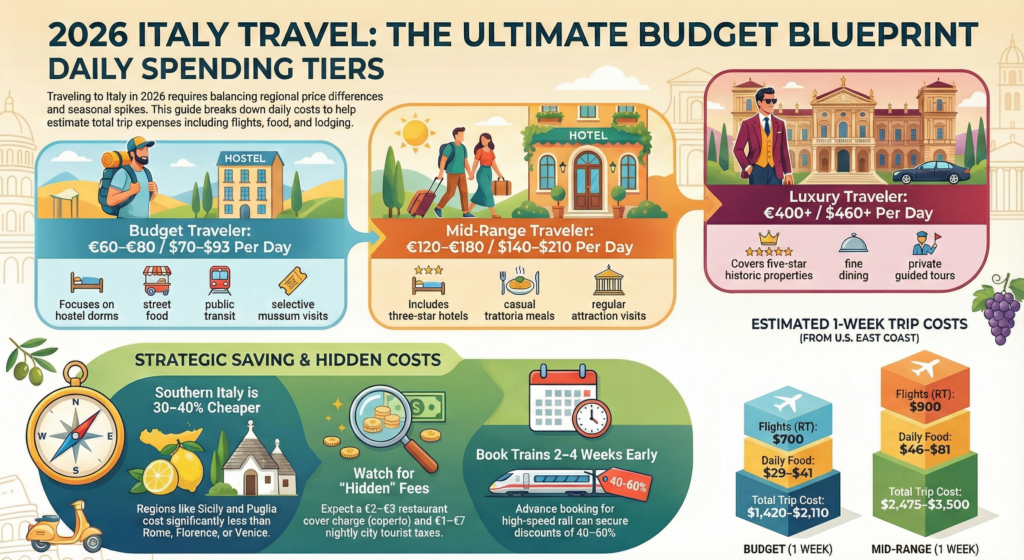
According to Budget Your Trip data compiled from real traveler expenses, typical Italy daily costs break down as follows:
Budget Travel: €60-80 (USD 70-93) per day
- Hostel dormitories or budget guesthouses
- Self-catering breakfast, street food lunches, budget pizzeria dinners
- Public transportation exclusively
- Selective museum visits with many free attractions
- Limited paid activities
Mid-Range Travel: €120-180 (USD 140-210) per day
- Three-star hotels or quality guesthouses
- Restaurant meals at trattorias and casual dining establishments
- Public transportation with occasional taxis
- Regular museum and attraction visits
- Some tours or special experiences
Comfortable Travel: €200-300 (USD 233-350) per day
- Four-star hotels with superior amenities
- Quality restaurant dining with occasional fine dining
- Mix of public transport and private transfers
- Comprehensive attraction access and tours
- Wine tastings, cooking classes, and experiences
Luxury Travel: €400+ (USD 460+) per day
- Five-star hotels in historic properties
- Fine dining and Michelin-starred restaurants
- Private drivers and transfers
- VIP museum access and private guided tours
- Exclusive culinary and cultural experiences
These ranges represent averages with significant variations based on specific cities, seasonal timing, and individual choices.
International Flight Costs
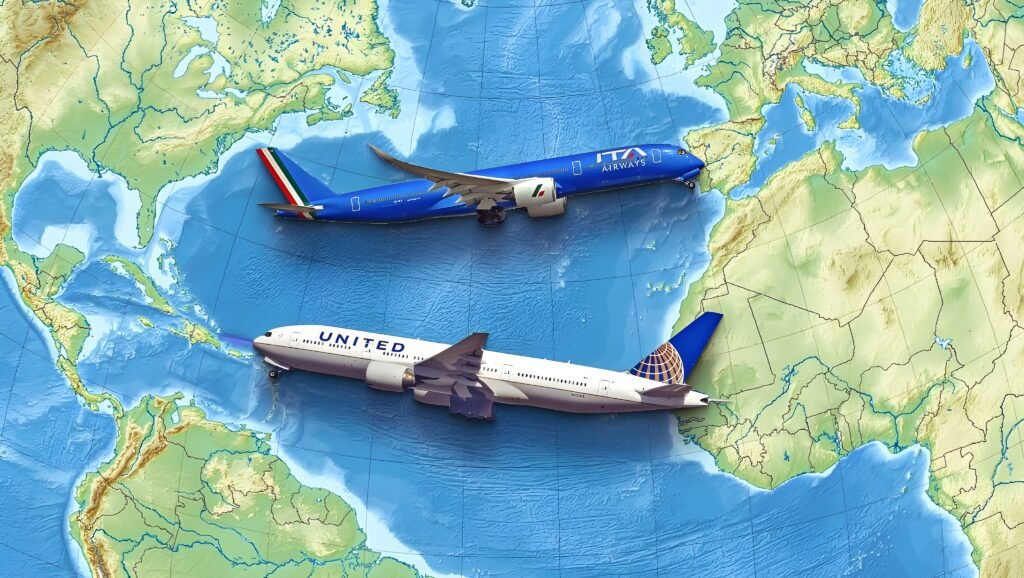
Flights represent the largest single expense for North American travelers visiting Italy in 2026.
From the United States:
- East Coast (New York, Boston, Philadelphia) to Rome/Milan: USD 600-700 economy (off-season), USD 1,200-1,400 (peak summer)
- West Coast (Los Angeles, San Francisco) to Rome/Milan: USD 800-1,100 economy (off-season), USD 1,400-1,800 (peak summer)
- Connecting flights via European hubs: USD 400-600 (can reduce costs significantly)
From Canada:
- Toronto/Montreal to Rome: CAD 700-900 economy (off-season), CAD 1,200-1,600 (peak summer)
- Vancouver to Rome: CAD 900-1,200 economy (off-season), CAD 1,500-2,000 (peak summer)
Budget Airlines Within Europe: Budget carriers, including Ryanair and easyJet, offer flights from major European cities to Italian destinations for as low as EUR 20-80 when booked in advance, though baggage fees add EUR 25-50 each direction.
Money-Saving Flight Strategies:
- Book 2-6 months in advance for optimal pricing
- Consider flying into less popular Italian airports (Bologna, Pisa) versus Rome or Venice
- Search for one-way tickets combining different airlines
- Travel during shoulder seasons (March-May, September-October) for 30-50% lower fares
read: Don’t Visit Dubai Before Reading This Month-by-Month Weather Guide
Accommodation Costs by City and Category
Italian accommodation prices vary dramatically by city, season, and category according to 2026 booking data.
Rome Accommodation
Budget Options: €25-60 (USD 29-70) per night
- Hostel dormitory beds: €25-35 per person
- Budget hotel private rooms: €50-100 per night
Mid-Range Hotels: €100-200 (USD 116-233) per night
- Three-star hotels near major attractions: €100-150
- Quality guesthouses and boutique properties: €120-200
Luxury Properties: €250-500+ (USD 290-580+) per night
- Four-star hotels: €200-350
- Five-star historic properties: €400-1,000+
Florence Accommodation
Budget Options: €25-55 (USD 29-64) per night
- Hostel beds: €25-30
- Budget private rooms: €50-90
Mid-Range Hotels: €90-180 (USD 105-210) per night
- Central three-star hotels: €100-150
- Boutique guesthouses: €120-180
Luxury Properties: €200-450+ (USD 233-523+) per night
- Four-star properties: €180-300
- Historic palazzo hotels: €350-800+
Venice Accommodation
Budget Options: €30-70 (USD 35-81) per night
- Hostel beds in 15+ person dorms: €30-40
- Budget hotels on mainland (Mestre): €50-90
Mid-Range Hotels: €120-250 (USD 140-290) per night
- Three-star properties near San Marco: €150-220
- Canal-view guesthouses: €180-280
Luxury Properties: €300-600+ (USD 350-700+) per night
- Four-star canal properties: €250-400
- Five-star historic hotels: €500-1,200+
Regional Price Variations
According to the accommodation booking analysis:
- Southern Italy (Sicily, Puglia, Calabria): 30-40% less expensive than Rome/Florence/Venice
- Smaller towns and rural areas: 40-50% cheaper than major tourist cities
- Amalfi Coast: Premium summer pricing comparable to Venice
- Milan: Business hotel pricing is often lower on weekends, higher on weekdays
Seasonal Pricing Impact
- Peak Season (June-August, Easter, Christmas): 50-100% price increases
- Shoulder Season (March-May, September-October): 20-30% below peak rates
- Low Season (November-February, excluding holidays): 40-60% discounts from peak pricing
Read: Singapore to Malaysia Weekend Trip Cost (2026): Full Budget Breakdown
Food and Dining Costs
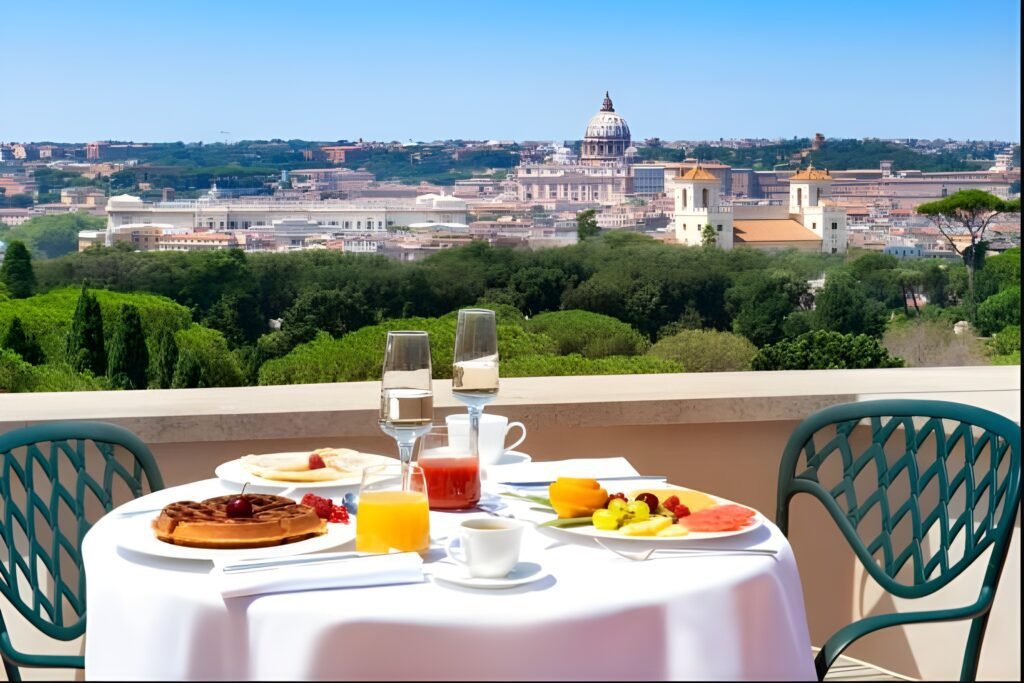
Italian dining offers an exceptional range from budget street food to Michelin-starred experiences.
Budget Dining: €25-35 (USD 29-41) per day
Breakfast: €3-8
- Coffee and cornetto at bar: €2-4
- Bakery pastries and coffee: €3-5
- Supermarket breakfast items: €5-10
Lunch: €5-12
- Pizza al taglio (by slice): €3-5
- Focaccia sandwiches: €4-7
- Trattoria lunch specials: €8-12
Dinner: €10-18
- Budget pizzeria: €8-12 including drink
- Simple pasta at a local restaurant: €10-15
- Street food (arancini, supplì): €2-4 each
Budget Grocery Shopping: Supermarkets including Carrefour, Conad, and local markets provide fresh produce, bread, cheese, and wine at 40-60% below restaurant prices, enabling picnic meals and self-catered breakfasts.
Mid-Range Dining: €40-70 (USD 46-81) per day
Breakfast: €5-12
- Hotel breakfast buffets: €8-15
- Cafe breakfast with pastries: €6-10
Lunch: €12-25
- Casual trattoria: €15-20
- Tourist area restaurants: €18-30
Dinner: €20-40
- Traditional osteria: €25-35
- Mid-range restaurant with wine: €30-50
Fine Dining: €80-150+ (USD 93-175+) per day
Upscale Restaurants:
- Quality establishments: €50-80 per person
- Michelin one-star: €80-150 per person
- Michelin multi-star: €150-300+ per person
Hidden Food Costs
- Coperto (Cover Charge): €2-3 per person at most sit-down restaurants – mandatory service charge not for quality of service
- Pane e Coperto: Combined bread and cover charge ranging €1.50-4 per person
- Service Charges: Some restaurants add 10-15% servizio (service charge) – check bills to avoid double-tipping
read: Europe Travel Cost for 2 Weeks (2026): Complete 14-Day Budget Guide
Transportation Costs Within Italy
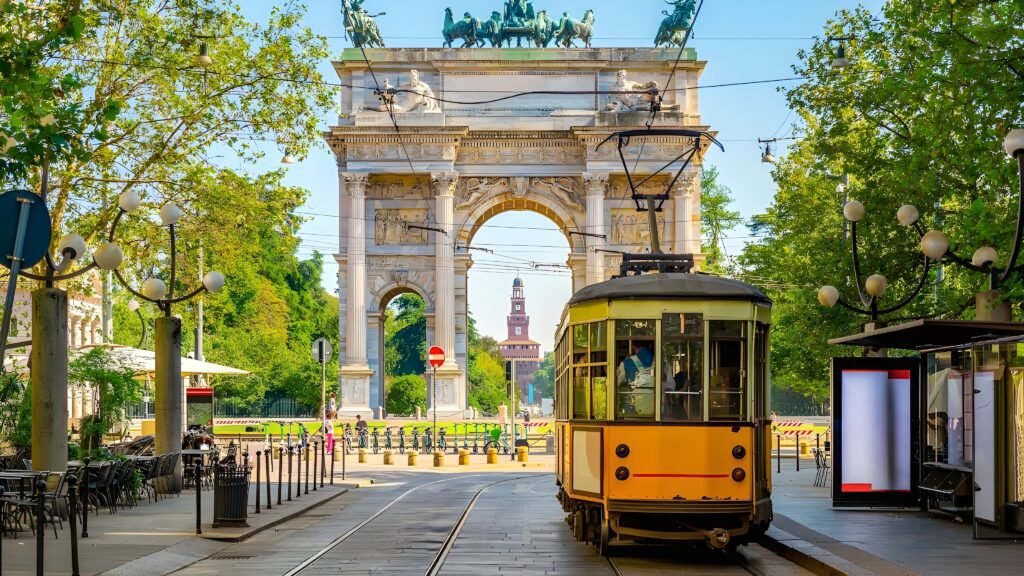
Trains
Italian trains provide efficient intercity connectivity with significant price variations based on booking timing and train type.
Trenitalia and Italo High-Speed Trains:
- Rome to Florence: €25-60 (advance booking vs last-minute, 1.5 hours)
- Rome to Venice: €45-85 (3.5-4 hours)
- Milan to Venice: €25-55 (2.5 hours)
- Florence to Venice: €30-60 (2 hours)
Regional Trains:
- Significantly cheaper but slower
- Rome to Florence regional: €20-30 (3-4 hours)
- No advance booking required, fixed pricing
Money-Saving Train Tips:
- Book high-speed trains 2-4 weeks ahead for 40-60% discounts
- Travel mid-week versus weekends for lower fares
- Consider slower regional trains for short distances
- Purchase tickets at station machines to avoid booking fees
read: Cheapest Countries to Visit in Winter-You’ll Be Surprised to Know
Buses
FlixBus and other carriers:
- Rome to Florence: €3-15 (4 hours)
- Venice to Naples: €7-26 (10-15 hours)
- Significantly cheaper than trains though longer journey times
- Advance booking is essential for lowest fares
City Public Transportation
Rome:
- Single ticket: €1.50 (100 minutes validity)
- Day pass: €7
- Three-day pass: €18
read: Thailand vs Bali Cost: Which Is Cheaper? Complete Travel Cost Comparison 2026
Florence:
- Single ticket: €1.50 (90 minutes)
- 24-hour pass: €5
- 3-day pass: €12
Venice:
- Vaporetto (water bus) single: €9.50
- 24-hour pass: €25
- Multi-day passes: €35-65 (2-7 days)
Rental Cars
Daily Rates:
- Economy car: €40-70 per day
- Mid-size car: €60-100 per day
- Insurance adds €15-30 daily
- Fuel costs approximately €1.80-2 per liter
Parking:
- City center parking: €2-5 per hour, €25-40 daily
- Hotel parking: €20-40 per night in cities
Recommendations: Rental cars suit the Tuscany countryside, Amalfi Coast, and rural areas, but prove impractical and expensive in major cities where walking and public transport excel.
read: Vietnam Travel Cost Per Day: Complete Budget Guide for 2026
Attraction and Museum Costs
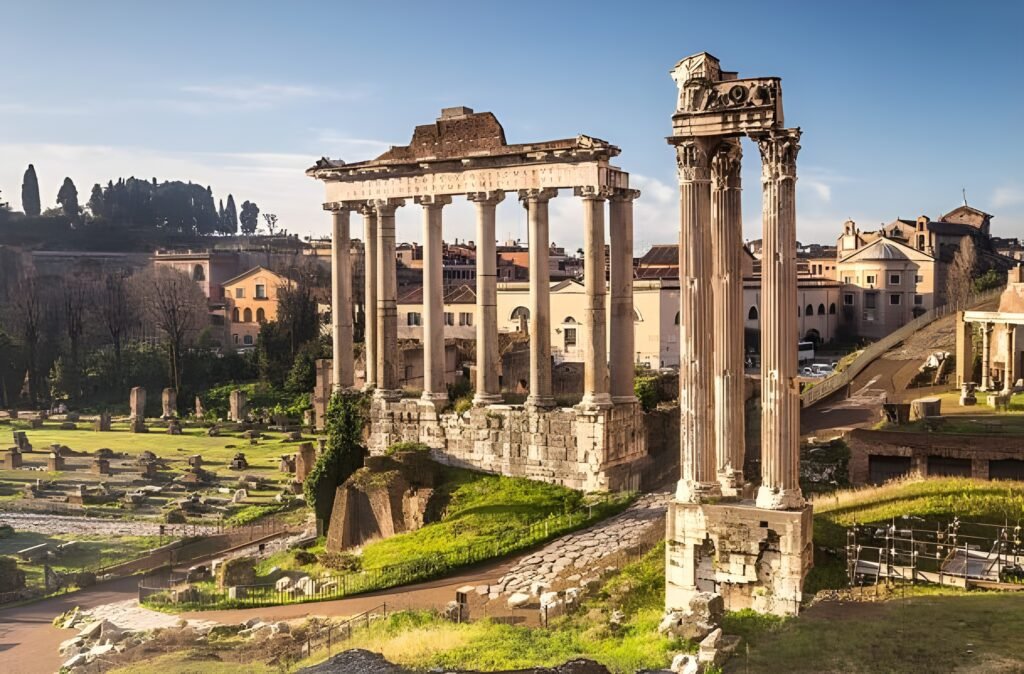
Major Attractions Entry Fees
Rome:
- Colosseum, Roman Forum, Palatine Hill combined: €18-22
- Vatican Museums and Sistine Chapel: €20-28
- Borghese Gallery: €20 (advance booking required)
- Pantheon: Free entry
Florence:
- Uffizi Gallery: €20-25
- Accademia (David): €16-20
- Duomo complex: €30 (combined ticket)
- Boboli Gardens: €10
Venice:
- Doge’s Palace: €30
- St. Mark’s Basilica: Free (Pala d’Oro €5, Treasury €3)
- Gondola rides: €80-100 for 30 minutes (6 passengers maximum)
- Vaporetto access included in transport passes
Important 2026 Changes:
- Rome’s Trevi Fountain access fee: €2 during busy daytime hours (free viewing from the upper piazza)
- Venice day-tripper fee: €5-10 on 60 peak days (April-July) for visitors not staying overnight
- First Sunday of each month: Free entry to state museums, including Colosseum, Uffizi, Borghese
Museum Passes and Discount Cards
Roma Pass:
- 48 hours: €32 (includes public transport and 1 museum)
- 72 hours: €52 (includes public transport and 2 museums)
Firenze Card:
- 72 hours: €85 (includes 60+ museums and public transport)
These passes provide value when visiting 3-4 major museums plus extensive public transport use, though selective individual tickets sometimes prove cheaper.
Hidden and Miscellaneous Costs
Tourist Taxes
Hotels charge city tourist taxes ranging €1-7 per person per night, depending on accommodation category and city:
- Rome: €3-7 per night
- Florence: €2-5 per night
- Venice: €1-5 per night
- Bathroom Fees: Public restrooms at train stations and tourist areas charge €0.50-1.50 for entry. Cafes offer free facilities for customers.
- Baggage Fees: Budget European flights (Ryanair, easyJet) charge €25-50 each direction for checked bags and €10-15 for carry-on exceeding size limits.
- ATM Withdrawal Fees: International ATM withdrawals incur €3-5 fees per transaction. Minimize by withdrawing larger amounts less frequently.
- Booking Fees: Museum advance reservations add €2-5 per ticket for Uffizi, Borghese, Last Supper, and other high-demand attractions.
- Travel Insurance: Comprehensive week-long trip coverage: USD 50-150 per person. Two-week coverage: USD 100-250 per person.n Essential for medical emergencies, trip cancellation, and baggage protection.
Complete Trip Budget Examples
One-Week Budget Italy Trip (Per Person)
| Category | Cost (USD) | Cost (EUR) |
|---|---|---|
| Round-trip flights (East Coast) | 700 | 600 |
| Accommodation (7 nights hostel/budget) | 210-420 | 180-360 |
| Food (7 days budget) | 200-290 | 175-250 |
| Transportation (trains/local) | 140-210 | 120-180 |
| Attractions (selective visits) | 70-140 | 60-120 |
| Miscellaneous (10-15%) | 100-150 | 85-130 |
| Total One-Week Budget Trip | $1,420-2,110 | €1,220-1,820 |
One-Week Mid-Range Italy Trip (Per Person)
| Category | Cost (USD) | Cost (EUR) |
|---|---|---|
| Round-trip flights (East Coast) | 900 | 775 |
| Accommodation (7 nights 3-star) | 700-1,050 | 600-900 |
| Food (7 days mid-range) | 320-570 | 275-490 |
| Transportation (high-speed trains) | 230-350 | 200-300 |
| Attractions (comprehensive) | 175-280 | 150-240 |
| Miscellaneous | 150-250 | 130-215 |
| Total One-Week Mid-Range Trip | $2,475-3,500 | €2,130-3,020 |
Two-Week Budget Italy Trip (Per Person)
| Category | Cost (USD) | Cost (EUR) |
|---|---|---|
| Round-trip flights | 700 | 600 |
| Accommodation (14 nights) | 420-840 | 360-720 |
| Food (14 days) | 400-580 | 350-500 |
| Transportation | 280-420 | 240-360 |
| Attractions | 140-280 | 120-240 |
| Miscellaneous | 200-300 | 175-260 |
| Total Two-Week Budget Trip | $2,140-3,320 | €1,845-2,860 |
Money-Saving Strategies for First-Time Visitors
- Book Accommodation 2-3 Months in Advance: Early booking secures 30-50% better rates versus last-minute reservations, particularly crucial for peak summer months.
- Travel During Shoulder Seasons: March-May and September-October deliver pleasant weather with 20-40% lower costs across accommodation, flights, and attractions compared to June-August peaks.
- Eat Breakfast at Bars: Standing at Italian bars for coffee and cornetto costs €2-4 versus €8-15 hotel breakfast buffets.
- Make Lunch Your Main Meal: Many restaurants offer lunch specials (pranzo) with complete meals for €10-15 versus €20-35 dinner pricing for identical dishes.
- Stay in Smaller Cities: Base in Siena instead of Florence, Bologna instead of Venice, or Sorrento instead of Amalfi Coast for 30-50% accommodation savings with easy day trips to major sites.
- Use Free Walking Tours: Major cities offer free walking tours operating on tip-basis providing excellent orientation and local knowledge for €5-15 gratuity versus €40-80 paid tours.
- Shop at Markets and Supermarkets: Fresh produce, cheese, bread, and wine from markets and supermarkets enable picnic lunches and self-catered breakfasts at 60-70% below restaurant costs.
- Take Advantage of Free Museum Days: First Sunday of each month provides free state museum entry, including Colosseum, Uffizi, and Borghese Gallery – plan itineraries accordingly.
Frequently Asked Questions
How much does a one-week trip to Italy cost?
According to comprehensive 2026 traveler data, one-week Italy trips cost approximately $1,420-2,110 for budget travelers, $2,475-3,500 for mid-range visitors, and $4,000-6,000+ for comfortable-to-luxury experiences per person including international flights. Budget totals assume hostel accommodations, self-catering some meals, public transportation, and selective attraction visits. Mid-range costs include three-star hotels, regular restaurant dining, high-speed trains, and comprehensive museum access. These estimates exclude shopping and extensive wine purchases.
Is Italy expensive for American tourists?
Italy costs moderately compared to other Western European destinations – generally less expensive than Switzerland, Norway, or France but more costly than Spain, Portugal, or Eastern Europe according to 2026 pricing analysis. Daily costs of $115-233 per person remain manageable through strategic planning including shoulder-season travel, budget accommodation, lunch-focused dining, public transportation, and balancing free attractions with paid museums. Southern Italy and smaller towns offer 30-40% lower costs than Rome, Florence, and Venice creating budget-friendly alternatives.
What is the cheapest time to visit Italy?
November through February (excluding Christmas and New Year periods) represents Italy’s cheapest travel period with accommodation discounts of 40-60% compared to summer peaks according to hotel pricing data. However, shorter daylight hours, occasional attraction closures, and cool weather present tradeoffs. March-May and September-October shoulder seasons provide optimal balance between moderate weather and 20-30% savings versus June-August peaks while maintaining full attraction schedules and pleasant temperatures.
How much money should I bring to Italy for one week?
Budget travelers need approximately €700-1,000 (USD 815-1,165) for comfortable one-week Italy experiences excluding pre-paid accommodation and flights. Mid-range travelers should allocate €1,000-1,500 (USD 1,165-1,750) for dining, transportation, attractions, and miscellaneous expenses. These amounts assume credit cards for major purchases with cash for markets, street food, small restaurants, and tips. Withdraw larger cash amounts less frequently to minimize ATM fees (€3-5 per transaction).
Are meals expensive in Italy?
Italian meals span dramatic price ranges from budget-friendly to expensive according to 2026 dining data. Budget travelers manage €10-15 daily through street food (€3-5 meals), pizza al taglio (€2-4), and casual pizzerias (€8-12). Mid-range diners spend €30-50 daily at traditional trattorias and osterias. Fine dining costs €80-150+ per person. Cover charges (coperto) add €2-3 per person at sit-down restaurants. Lunch specials deliver better value than dinner for identical dishes at 30-40% lower pricing.
Do I need cash in Italy?
Yes, despite widespread credit card acceptance, cash remains essential for markets, street food vendors, small family restaurants, public bathrooms (€0.50-1.50), tips, and many rural establishments. Keep €100-200 cash available at all times with credit cards as primary payment method for hotels, trains, and larger restaurants. ATM withdrawals provide better exchange rates than currency exchanges though incur €3-5 fees per transaction.
Should I stay in Rome, Florence, or Venice?
First-time Italy visitors typically visit all three cities given their unique character and major attractions according to travel expert recommendations. Rome requires 3-4 days minimum for ancient sites, Vatican, and atmosphere. Florence needs 2-3 days for Renaissance art, Duomo, and Tuscany access. Venice warrants 2-3 days for canals, architecture, and island exploration. One-week trips typically cover two cities while two-week itineraries enable all three plus additional destinations like Tuscany countryside or Amalfi Coast.
How far in advance should I book Italy accommodations?
Book 2-3 months ahead for optimal pricing and selection according to booking data, with peak summer months (June-August) requiring earlier reservations (3-4 months). Last-minute bookings (1-2 weeks ahead) sometimes yield deals during shoulder seasons but risk limited availability and higher prices. Christmas, Easter, and major Italian holidays demand 4-6 months advance booking. Budget travelers benefit most from early booking securing best hostel and budget hotel rates before availability diminishes.
Summary: Italy travel costs for first-time visitors in 2026 range from approximately $1,400-2,100 for week-long budget trips to $2,500-3,500 for mid-range experiences and $4,000-6,000+ for comfortable-to-luxury travel per person including international flights. Daily expenses average $115-233 depending on accommodation choices (€25-200 nightly), dining preferences (€25-80 daily), transportation selections (high-speed versus regional trains), and attraction priorities.
Regional price variations significantly impact budgets with Southern Italy, smaller towns, and rural areas costing 30-40% less than Rome, Florence, and Venice. Seasonal timing proves crucial as June-August peak summer commands 50-100% premium pricing across accommodation and flights compared to shoulder seasons (March-May, September-October) offering 20-30% savings with comparable weather and full attraction access.
Strategic money-saving approaches including 2-3 month advance booking, shoulder-season travel, budget accommodation in smaller cities, lunch-focused dining, public transportation usage, and balancing free attractions with selective museum visits reduce total trip costs by 40-50% while maintaining quality authentic Italian experiences.
Hidden costs including tourist taxes (€1-7 nightly), cover charges at restaurants (€2-3 per person), ATM fees (€3-5 per transaction), museum booking fees (€2-5), and baggage charges on budget flights (€25-50 each direction) add 15-25% to base budgets requiring comprehensive planning for accurate financial expectations.
Whether seeking budget hostel stays with street food and regional trains or comfortable boutique hotels with trattoria dining and high-speed rail connections, Italy accommodates diverse budgets while delivering world-class art, architecture, cuisine, and cultural immersion that justify visit costs for first-time travelers in 2026.
Disclaimer: This guide is based on publicly available tourism data, official travel resources, and general cost estimates current as of 2026. Prices and rules may vary depending on season and traveler profile. Hotel costs fluctuate dramatically between peak seasons (June-August, Easter, Christmas) and low seasons (November-February) with variations of 40-100% common. Flight prices change constantly based on departure cities, airlines, booking timing, and seasonal demand with quoted ranges representing general market patterns. Restaurant costs vary significantly between tourist areas and local neighborhoods with cover charges (coperto) of €2-3 per person standard at sit-down establishments.
Train pricing depends on advance booking timing with last-minute tickets costing 50-100% more than advance-purchase fares. Museum fees subject to periodic increases with free admission first Sunday of each month at state museums. Tourist taxes vary by city and accommodation category ranging €1-7 per person per night. Exchange rates between USD/EUR fluctuate daily impacting actual costs. The €2 Trevi Fountain access fee and €5-10 Venice day-tripper fee on 60 peak days represent 2026 new policies. Always verify current pricing, museum hours, attraction availability, and entry requirements through official sources, including Trenitalia.com for trains, individual museum websites, and recent traveler reports before finalizing travel plans. This article provides informational guidance only and does not constitute official travel or financial advice.