
Planning a Japan itinerary 7 days requires strategic destination selection, efficient transportation, and realistic budget expectations to maximize experiences in one week. According to comprehensive 2026 tourism data and verified traveler expense reports, first-time visitors typically allocate 3 days in Tokyo, 2-3 days in Kyoto, and optional 1-2 days in Osaka or Nara, with complete trip costs ranging from approximately $1,800-2,000 for budget travelers to $2,500-3,500 for mid-range experiences per person excluding international flights, covering accommodation, transportation including Shinkansen bullet trains, meals, and major attractions.
This detailed 7-day itinerary guide provides day-by-day planning, transportation logistics, comprehensive budget breakdowns across multiple spending levels, and practical tips to help first-time Japan visitors experience the country’s modern cities, historic temples, and cultural attractions efficiently within one week.
Best 7-Day Japan Itinerary Overview
According to travel expert consensus and verified traveler feedback, the optimal first-time 7-day Japan itinerary follows this structure:
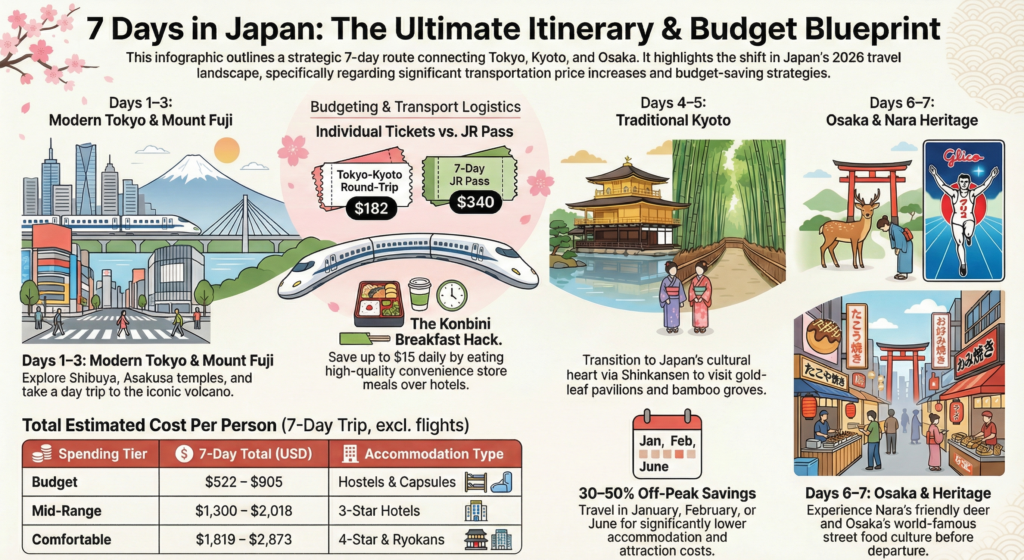
Days 1-3: Tokyo (Modern Japan, urban attractions, Mount Fuji) Days 4-5: Kyoto (Traditional temples, cultural experiences) Days 6-7: Osaka/Nara (Food culture, day trips) OR extend Kyoto
This route flows naturally west to east using the efficient Shinkansen bullet train network while balancing modern and traditional Japanese experiences without excessive rushing or exhausting daily schedules.
Read to know more about Japan: Japan vs Korea Travel Cost Comparison and Best Time to Visit Japan by Season Complete Month-Wise Travel Guide (2026) and 10 + Incredible Places to Visit in Japan Locals Actually Love.
Day-by-Day Itinerary Breakdown
Day 1: Arrival in Tokyo
Morning/Afternoon: Airport Transfer and Hotel Check-in
Most international flights arrive at Tokyo’s Narita International Airport (NRT) or Haneda Airport (HND). Haneda sits closer to central Tokyo (20-30 minutes) while Narita requires 60-90 minutes travel time.
Transportation Options from Narita:
- Narita Express (N’EX): ¥3,070 (approximately $21) to Tokyo Station, 60 minutes
- Keisei Skyliner: ¥2,520 ($17) to Ueno, 45 minutes
- Airport limousine bus: ¥3,200 ($22) to major hotels
- Budget option: Keisei Access Express: ¥1,270 ($9), 75 minutes
From Haneda:
- Tokyo Monorail: ¥500 ($3.40) to Hamamatsucho, 15 minutes
- Keikyu Line: ¥300-450 ($2-3) to Shinagawa, 15 minutes
Evening: Shibuya and Shinjuku Exploration
After settling into accommodations, explore Tokyo’s vibrant neighborhoods. Shibuya Crossing offers iconic photo opportunities while Shinjuku provides neon-lit streets, izakaya restaurants, and nightlife.
Key Attractions:
- Shibuya Crossing (free)
- Shibuya Sky observation deck: ¥2,200 ($15) for stunning sunset views
- Shinjuku Government Building observation deck (free, closes 11 PM)
Budget: Dinner at casual izakaya or ramen shop: ¥1,000-2,000 ($7-14)
Day 2: Tokyo Highlights
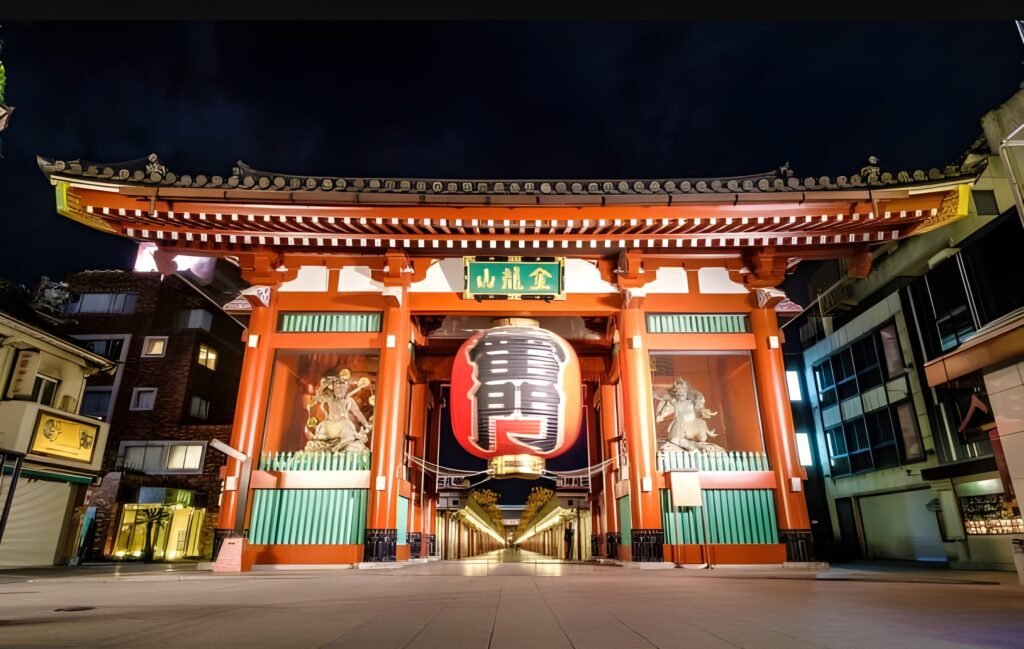
- Morning: Asakusa and Senso-ji Temple: Begin at Tokyo’s oldest Buddhist temple, Senso-ji, in the traditional Asakusa district. Arrive early (opening 6 AM) to avoid crowds.
Attractions:
- Senso-ji Temple: Free entry
- Nakamise Shopping Street: Browse traditional souvenirs
- Tokyo Skytree views from distance (free) or observation deck: ¥2,100-3,400 ($14-23)
- Late Morning: Tsukiji Outer Market: While the main fish market moved to Toyosu, Tsukiji’s outer market remains vibrant with fresh sushi, street food, and local products.
- Budget: Fresh sushi breakfast: ¥1,000-2,500 ($7-17)
- Afternoon: Meiji Shrine and Harajuku: Visit Tokyo’s most important Shinto shrine nestled in forested grounds, then explore trendy Harajuku’s Takeshita Street for youth fashion and crepes.
Attractions:
- Meiji Shrine: Free entry
- Yoyogi Park adjacent (free)
- Harajuku shopping and people-watching (free)
- Evening: teamLab Planets or Roppongi: Experience digital art at teamLab Planets Tokyo: ¥3,800 ($26) or explore Roppongi’s nightlife and Tokyo Tower illumination.
- Transportation: Tokyo Metro day pass: ¥600 ($4) provides unlimited subway travel
Day 3: Mount Fuji Day Trip or Extended Tokyo
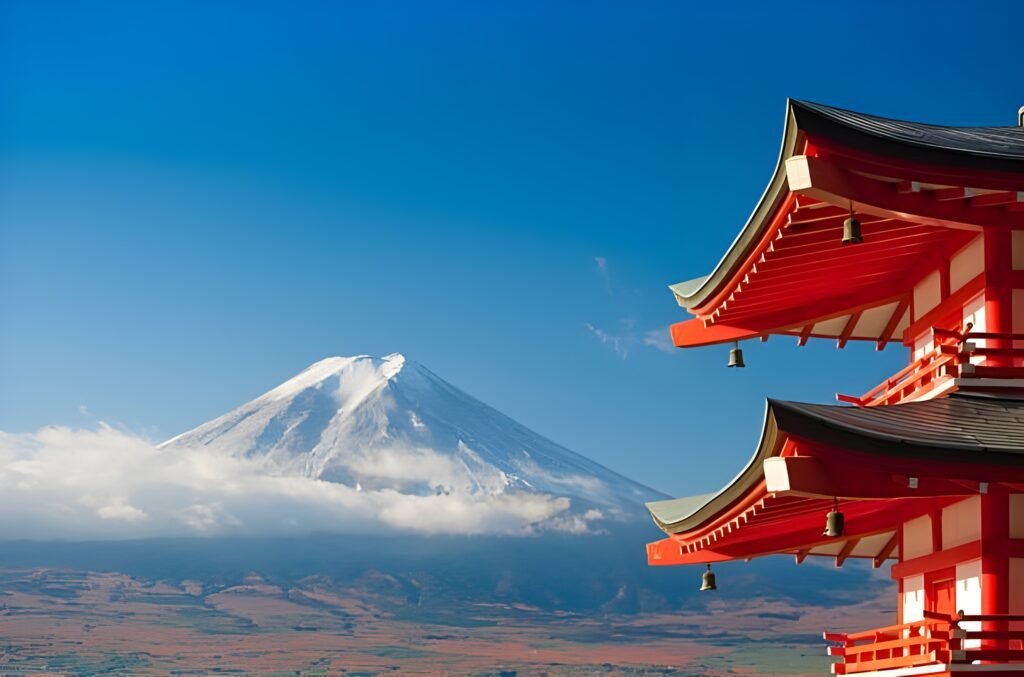
Option A: Mount Fuji Day Trip
Guided tours to Mount Fuji, Lake Kawaguchi, and Hakone hot spring areas cost approximately ¥12,000-15,000 ($82-103) including transportation and English guide. Tours typically depart 7-8 AM, returning 6-7 PM.
Independent travel via trains costs less but requires careful planning:
- Tokyo to Kawaguchiko Station: ¥2,640 ($18) one-way via Fuji Excursion Limited Express
- Lake Kawaguchi sightseeing bus day pass: ¥1,500 ($10)
Option B: Alternative Tokyo Experiences
- Akihabara (anime/electronics district): Free browsing, cafes ¥1,000-2,000 ($7-14)
- Imperial Palace East Gardens: Free entry
- Odaiba futuristic island: Free areas, attractions ¥1,000-3,000 ($7-21)
Day 4: Tokyo to Kyoto via Shinkansen
Morning: Bullet Train Transfer
Travel from Tokyo to Kyoto via the Shinkansen bullet train represents one of Japan’s iconic experiences.
Shinkansen Options:
- Nozomi (fastest, 2 hours 15 minutes): ¥13,320 ($91) – NOT covered by JR Pass
- Hikari (2 hours 40 minutes): ¥13,320 ($91) – covered by JR Pass
- Kodama (stops at all stations, 3 hours 50 minutes): ¥13,320 ($91)
Important Note: The 7-day JR Pass costs ¥50,000 ($340) as of 2026. Calculate whether your specific routes justify this expense. Tokyo-Kyoto round-trip costs ¥26,640 ($182) without the pass. The pass becomes worthwhile only with additional long-distance trips like Hiroshima, extensive JR local line usage, or multiple-day trips.
Afternoon: Gion District
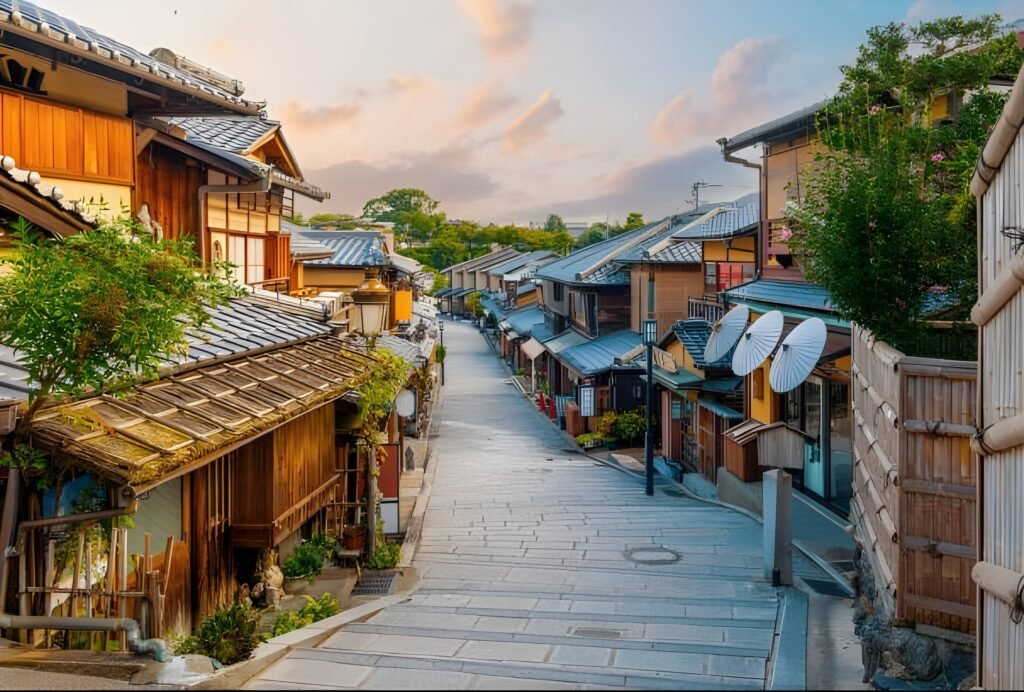
After checking into Kyoto accommodation, explore the historic Gion geisha district with traditional wooden machiya houses and tea houses.
Attractions:
- Yasaka Shrine: Free entry
- Gion streets: Free walking (respect local residents and geisha privacy)
- Nishiki Market sampling: ¥500-2,000 ($3-14) for various foods
Evening: Traditional kaiseki dinner (multiple-course Japanese meal): ¥5,000-15,000 ($34-103) depending on restaurant tier
Read more: Don’t Visit Dubai Before Reading This Month-by-Month Weather Guide
Day 5: Kyoto Temple Circuit
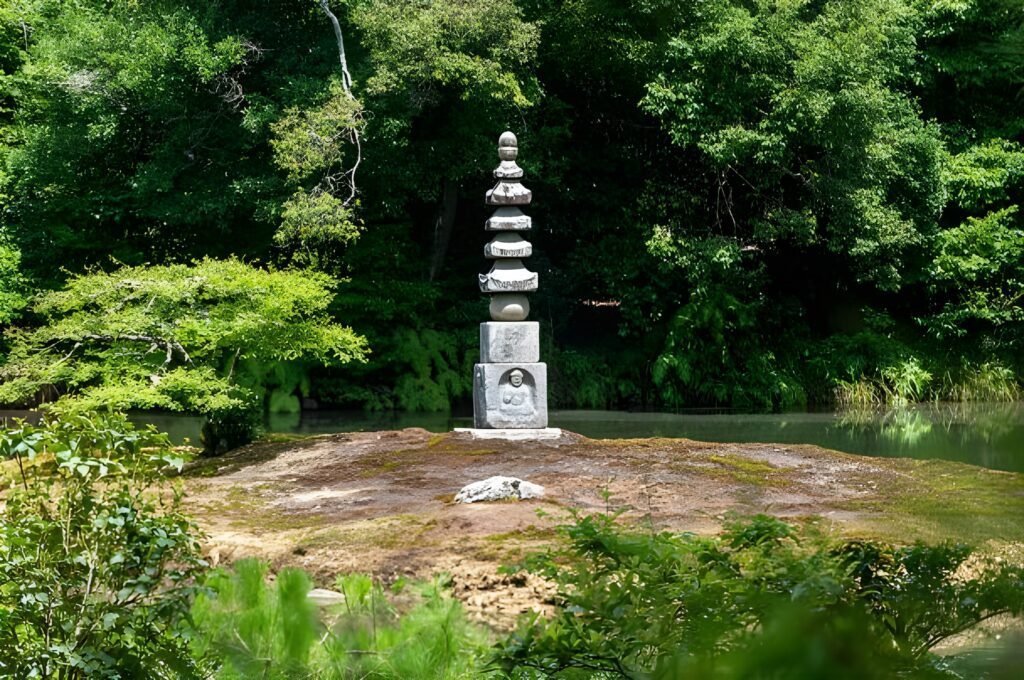
- Morning: Kinkaku-ji (Golden Pavilion): Visit Kyoto’s most photographed temple featuring gold-leaf covered pavilion reflecting in pond gardens.
- Entry: ¥500 ($3.40) Access: Bus from Kyoto Station: ¥230 ($1.60)
- Late Morning: Ryoan-ji Zen Garden: Experience Japan’s most famous rock garden at this UNESCO World Heritage site.
- Entry: ¥500 ($3.40)
- Afternoon: Arashiyama Bamboo Grove: Travel to western Kyoto’s Arashiyama district featuring towering bamboo forest, temples, and Hozu River.
Attractions:
- Bamboo Grove: Free access (arrive early for fewer crowds)
- Tenryu-ji Temple: ¥500 ($3.40) garden, ¥800 ($5.50) with buildings
- Togetsukyo Bridge: Free
- Monkey Park Iwatayama: ¥600 ($4) for mountain views and monkey interactions
Transportation: Kyoto City Bus one-day pass: ¥700 ($4.80) provides unlimited bus travel
Day 6: Fushimi Inari and Nara Day Trip
- Morning: Fushimi Inari Shrine: Walk through thousands of vermilion torii gates at Kyoto’s most iconic attraction. The complete mountain circuit requires 2-3 hours.
- Entry: Free (open 24 hours, but arrive early for best experience) Access: JR Nara Line from Kyoto Station to Inari Station: ¥150 ($1)
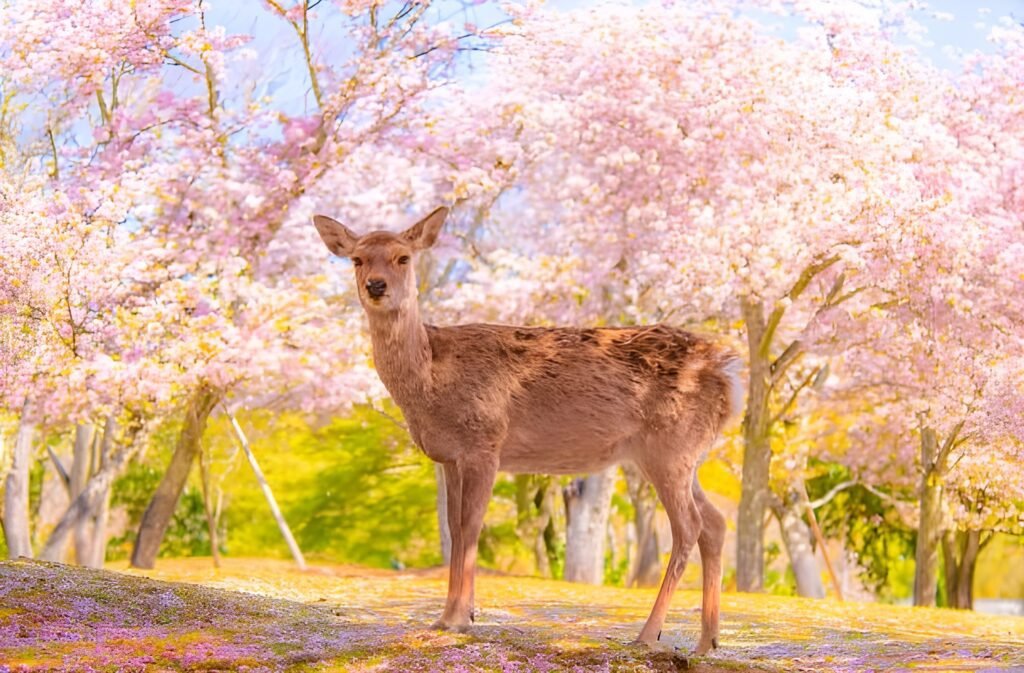
- Afternoon: Nara Day Trip: Travel 45 minutes to Nara to feed friendly deer and visit the giant Buddha statue.
- Transportation: JR Nara Line from Kyoto Station to Nara: ¥720 ($4.90) one-way
Attractions:
- Nara Park: Free (deer crackers ¥200/$1.40)
- Todai-ji Temple (Great Buddha): ¥600 ($4)
- Kasuga Taisha Shrine: ¥500 ($3.40)
Day 7: Osaka or Kyoto Extension/Departure
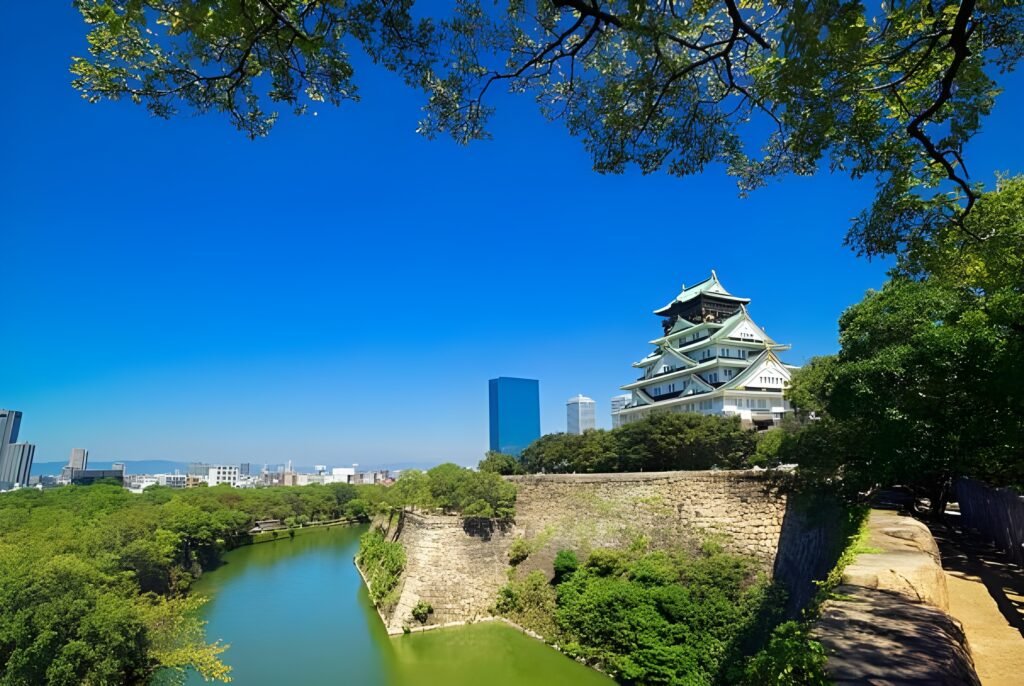
- Option A: Osaka Food Tour
Travel 30 minutes from Kyoto to Osaka for culinary experiences and vibrant street culture.
Transportation: Shinkansen Kyoto-Osaka: ¥1,420 ($9.70), 15 minutes OR regular JR: ¥570 ($3.90), 30 minutes
Attractions:
- Osaka Castle: ¥600 ($4) entry
- Dotonbori District: Free walking, street food ¥500-2,000 ($3-14)
- Kuromon Market: Food sampling ¥1,000-3,000 ($7-21)
- Shinsekai retro district: Kushikatsu (fried skewers) ¥200-300 ($1.40-2) per skewer
Option B: Additional Kyoto Temples
- Kiyomizu-dera Temple: ¥400 ($2.70)
- Philosopher’s Path walk: Free
- Ginkaku-ji (Silver Pavilion): ¥500 ($3.40)
Evening: Return to Tokyo if flying from Narita/Haneda or depart from Osaka’s Kansai International Airport (KIX).
read: Vietnam Travel Cost Per Day: Complete Budget Guide for 2026
Complete Budget Breakdown
Budget Travel (Per Person)
| Category | Daily Cost | 7-Day Total |
|---|---|---|
| Accommodation | ¥3,000-5,000 ($21-34) | ¥21,000-35,000 ($143-240) |
| Hostel dormitories or budget hotels | ||
| Food | ¥2,000-3,500 ($14-24) | ¥14,000-24,500 ($96-167) |
| Convenience store breakfast, budget lunch/dinner | ||
| Transportation | ¥2,000-4,000 ($14-27) | ¥14,000-28,000 ($96-191) |
| Local transport + one-way Shinkansen | ||
| Attractions | ¥1,000-2,500 ($7-17) | ¥7,000-17,500 ($48-120) |
| Selective temple visits, free attractions | ||
| Miscellaneous | ¥1,000-2,000 ($7-14) | ¥7,000-14,000 ($48-96) |
| TOTAL (excluding flights) | ¥63,000-119,000 ($430-814) |
With Return Shinkansen: Add ¥13,320 ($91) = ¥76,320-132,320 ($522-905)
Mid-Range Travel (Per Person)
| Category | Daily Cost | 7-Day Total |
|---|---|---|
| Accommodation | ¥8,000-15,000 ($55-103) | ¥56,000-105,000 ($383-718) |
| Three-star hotels, quality guesthouses | ||
| Food | ¥4,000-7,000 ($27-48) | ¥28,000-49,000 ($191-335) |
| Restaurant meals, casual dining | ||
| Transportation | ¥3,000-5,000 ($21-34) | ¥21,000-35,000 ($143-240) |
| Includes return Shinkansen | ||
| Attractions | ¥3,000-5,000 ($21-34) | ¥21,000-35,000 ($143-240) |
| Comprehensive temple visits, tours | ||
| Miscellaneous | ¥2,000-3,000 ($14-21) | ¥14,000-21,000 ($96-143) |
| TOTAL (excluding flights) | ¥140,000-245,000 ($958-1,676) |
Adding JR Pass (¥50,000): Total ¥190,000-295,000 ($1,300-2,018)
Comfortable Travel (Per Person)
| Category | Daily Cost | 7-Day Total |
|---|---|---|
| Accommodation | ¥15,000-25,000 ($103-171) | ¥105,000-175,000 ($718-1,197) |
| Four-star hotels, boutique properties | ||
| Food | ¥8,000-12,000 ($55-82) | ¥56,000-84,000 ($383-574) |
| Quality restaurants, some fine dining | ||
| Transportation | ¥7,000-10,000 ($48-68) | ¥49,000-70,000 ($335-479) |
| JR Pass, taxis when convenient | ||
| Attractions | ¥5,000-8,000 ($34-55) | ¥35,000-56,000 ($240-383) |
| All major sites, private tours | ||
| Miscellaneous | ¥3,000-5,000 ($21-34) | ¥21,000-35,000 ($143-240) |
| TOTAL (excluding flights) | ¥266,000-420,000 ($1,819-2,873) |
Transportation Deep Dive
Japan Rail Pass Analysis (2026)
The JR Pass underwent significant price increases in October 2023:
- 7-day Ordinary Pass: ¥50,000 ($340) – up from ¥29,650
- 14-day Ordinary Pass: ¥80,000 ($547)
- 21-day Ordinary Pass: ¥100,000 ($684)
When JR Pass Makes Sense:
- Planning multiple long-distance Shinkansen trips (Tokyo-Kyoto-Hiroshima-Osaka circuit)
- Extensive use of JR local lines within cities
- Multiple-day trips from base cities
- Spontaneous travel without advance ticket booking
When Individual Tickets Cost Less:
- Standard Tokyo-Kyoto-Osaka route only: Individual tickets total approximately ¥28,000 ($191) versus ¥50,000 pass
- Staying primarily in one or two cities with limited intercity travel
- Using alternative transportation like highway buses
Alternative: Regional Passes
JR East Tokyo Wide Pass: ¥10,180 ($70) for 3 consecutive days
- Covers Tokyo area, Mount Fuji region, Nikko, Karuizawa
- Better value than the nationwide JR Pass for Tokyo-focused trips
Kansai Area Pass: ¥2,880 ($20) for 1 day to ¥6,380 ($44) for 4 days
- Covers Kyoto, Osaka, Nara, Kobe, and Himeji
- Ideal for visitors focusing on western Japan
Local Transportation
IC Cards (Suica/PASMO in Tokyo, ICOCA in Kansai):
- Rechargeable smart cards for trains, buses, and convenience stores
- Purchase at stations: ¥1,000-2,000 ($7-14) initial load with ¥500 ($3.40) deposit
- Eliminates ticket-buying hassle
Accommodation Recommendations

Budget ($20-35 per night)
Tokyo:
- Hostel dormitories in Asakusa, Ueno, Ikebukuro: ¥2,500-4,000 ($17-27)
- Capsule hotels: ¥3,000-5,000 ($21-34)
- Budget business hotels: ¥5,000-7,000 ($34-48)
Kyoto:
- Guesthouse dormitories: ¥2,500-4,500 ($17-31)
- Budget ryokan (Japanese inns): ¥4,000-7,000 ($27-48)
Mid-Range ($55-105 per night)
Tokyo:
- Three-star business hotels near stations: ¥8,000-12,000 ($55-82)
- Quality chain hotels (APA, Toyoko Inn): ¥8,000-15,000 ($55-103)
Kyoto:
- Traditional machiya guesthouses: ¥10,000-18,000 ($68-123)
- Mid-range hotels near Kyoto Station: ¥8,000-15,000 ($55-103)
Comfortable ($100+ per night)
Tokyo:
- Four-star hotels in Shinjuku, Shibuya: ¥15,000-30,000 ($103-205)
- Boutique design hotels: ¥18,000-35,000 ($123-240)
Kyoto:
- High-end ryokan with kaiseki meals: ¥20,000-50,000 ($137-342)
- Four-star hotels: ¥15,000-30,000 ($103-205)
Money-Saving Strategies
- Book Accommodation 2-3 Months Advance: Secure 20-30% better rates versus last-minute bookings, especially crucial for popular cherry blossom (late March-April) and autumn foliage (November) seasons.
- Eat Breakfast at Convenience Stores: 7-Eleven, FamilyMart, and Lawson offer fresh onigiri (rice balls) ¥120-200 ($0.80-1.40), sandwiches ¥250-400 ($1.70-2.70), and coffee ¥100 ($0.70) versus ¥1,500-2,500 ($10-17) hotel breakfasts.
- Purchase City Passes Strategically: Calculate whether unlimited day passes save money based on planned journeys. Tokyo Metro 24-hour pass costs ¥600 ($4) while individual rides run ¥170-320 ($1.20-2.20).
- Visit Free Temples and Shrines: Many significant sites including Meiji Shrine, Senso-ji Temple, Fushimi Inari Shrine, and Yasaka Shrine offer free entry with optional donation boxes.
- Avoid Peak Seasons: Travel during January-February or June (rainy season) for 30-50% lower accommodation costs compared to cherry blossom season and autumn foliage periods.
Practical Planning Tips
Best Travel Seasons:
- Optimal: Late March-April (cherry blossoms), October-November (autumn foliage)
- Budget-friendly: January-February (cold but clear), June-July (rainy season)
- Avoid: Golden Week (late April-early May), Obon (mid-August), New Year (December 28-January 3)
Pocket WiFi and SIM Cards:
- Rental pocket WiFi: ¥1,000-1,500 ($7-10) daily
- Tourist SIM cards: ¥2,000-4,000 ($14-27) for 7-14 days unlimited data
- Essential for navigation apps, translation, and communication
Language Considerations: Major tourist areas provide English signage, and many service staff speak basic English. Download the Google Translate app for offline use and learn basic phrases (arigatou gozaimasu – thank you, sumimasen – excuse me).
Luggage Forwarding: Ship large suitcases between hotels via Yamato Transport or Sagawa Express (¥2,000-3,000 / $14-21 per bag) to avoid carrying luggage on trains during city changes.
Frequently Asked Questions
Is 7 days enough for Japan?
Seven days provides sufficient time to experience Japan’s highlights including Tokyo’s modern energy, Kyoto’s traditional temples, and optional Osaka food culture according to travel experts. This duration covers major attractions without excessive rushing though omits destinations like Hiroshima, Japanese Alps, or Hokkaido requiring 10-14 days minimum. First-time visitors find 7 days delivers comprehensive introduction enabling return trips for deeper exploration.
How much does a 7-day Japan trip cost?
According to comprehensive 2026 traveler data, 7-day Japan trips cost approximately ¥63,000-132,000 ($430-905) for budget travelers, ¥140,000-295,000 ($958-2,018) for mid-range visitors, and ¥266,000-420,000 ($1,819-2,873) for comfortable travel per person excluding international flights. Budget totals assume hostel accommodation, convenience store breakfasts, selective dining, and calculated transportation. Mid-range estimates include three-star hotels, regular restaurant meals, and JR Pass. International flights from North America add $700-1,400 depending on departure city.
Should I buy the JR Pass for 7 days?
The JR Pass costs ¥50,000 ($340) for 7 days as of 2026 following October 2023 price increases. According to cost analysis, the pass makes sense only if taking 3+ long-distance Shinkansen trips plus extensive JR local line usage. Standard Tokyo-Kyoto-Osaka routes cost approximately ¥28,000 ($191) with individual tickets versus ¥50,000 pass cost. Calculate specific planned routes before purchasing. Regional passes like Tokyo Wide Pass (¥10,180/$70) or Kansai Area Pass (¥6,380/$44) often provide better value.
What is the best 7-day Japan itinerary for first-timers?
Travel experts recommend 3 days Tokyo, 2-3 days Kyoto, and 1-2 days Osaka or Nara for first-time 7-day visits. This structure balances modern and traditional Japan while following efficient west-to-east Shinkansen routing. Tokyo days cover Asakusa, Shibuya, Harajuku, and optional Mount Fuji day trip. Kyoto focuses on Kinkaku-ji, Fushimi Inari, Arashiyama bamboo grove, and Gion district. Final days enable Osaka food experiences or Nara’s deer park and temples.
How do I get from Tokyo to Kyoto?
The Shinkansen bullet train provides fastest, most convenient Tokyo-Kyoto connection taking 2 hours 15 minutes (Nozomi) to 2 hours 40 minutes (Hikari). Tickets cost ¥13,320 ($91) one-way. The Nozomi (fastest service) is not covered by JR Pass while Hikari and Kodama trains are included. Alternative budget highway buses take 7-9 hours overnight costing ¥5,000-8,000 ($34-55). Most travelers choose Shinkansen for time efficiency despite higher cost.
Do I need to speak Japanese to visit Japan?
No, Japanese language skills are not required for tourism in major cities according to traveler consensus. Tokyo, Kyoto, and Osaka provide extensive English signage at train stations, tourist attractions, and popular restaurants. Google Translate app enables real-time translation via camera function for menus and signs. Learning basic phrases (hello – konnichiwa, thank you – arigatou, excuse me – sumimasen) demonstrates respect. Rural areas present more language challenges though tourism infrastructure continues improving.
When is the cheapest time to visit Japan?
January-February and June-July represent Japan’s most budget-friendly periods with accommodation costs 30-50% below peak seasons according to booking data. Winter months (excluding New Year week) bring cold but clear weather with minimal crowds. June-July rainy season (tsuyu) sees increased precipitation but significantly reduced costs. Avoid cherry blossom season (late March-April), autumn foliage (October-November), Golden Week (late April-early May), and Obon (mid-August) when prices spike 50-100% with advance booking essential.
Can I visit Mount Fuji from Tokyo in one day?
Yes, Mount Fuji day trips from Tokyo are feasible via guided tours (¥12,000-15,000 / $82-103) or independent travel to Lake Kawaguchi area. Tours typically depart 7-8 AM returning 6-7 PM covering multiple viewpoints, Hakone area, and occasionally onsen hot springs. Independent travelers take Fuji Excursion Limited Express from Shinjuku to Kawaguchiko Station (¥4,000/$27 round-trip, 2 hours) then use local buses. Optimal viewing seasons include October-February when clouds minimize; summer often obscures views.
Summary: This comprehensive japan itinerary 7 days delivers balanced first-time experiences covering Tokyo’s modern energy (Days 1-3), Kyoto’s traditional temples and cultural heritage (Days 4-5), and optional Osaka food culture or extended Kyoto exploration (Days 6-7). The west-to-east routing via Shinkansen bullet train follows efficient travel patterns while allocating appropriate time for major attractions without exhausting daily schedules.
Budget travelers manage comfortable 7-day trips for approximately ¥76,000-132,000 ($522-905) through hostel accommodation, convenience store breakfasts, selective dining, calculated transportation, and free temple visits. Mid-range visitors spending ¥190,000-295,000 ($1,300-2,018) access three-star hotels, regular restaurant meals, comprehensive attraction coverage, and optional JR Pass convenience. Comfortable travel at ¥266,000-420,000 ($1,819-2,873) includes four-star properties, quality dining, and private tour experiences.
The JR Pass underwent significant October 2023 price increases from ¥29,650 to ¥50,000 for 7-day ordinary class, requiring careful cost-benefit analysis before purchase. Standard Tokyo-Kyoto-Osaka routes using individual tickets total approximately ¥28,000 versus ¥50,000 pass cost, making the pass worthwhile only with extensive additional travel including Hiroshima, multiple day trips, or spontaneous journey flexibility. Regional passes often deliver better value for focused itineraries.
Strategic planning including 2-3 month advance accommodation booking, shoulder-season travel, convenience store breakfasts, city transport passes, and free attraction emphasis reduces total costs 30-50% while maintaining quality experiences. Whether seeking budget hostel adventures or comfortable hotel stays, 7 days enables meaningful Japan immersion covering essential highlights while leaving discoveries for return visits.
Disclaimer: This guide is based on publicly available tourism data, official travel resources, and general cost estimates current as of 2026. Prices and rules may vary depending on season and traveler profile. The Japan Rail Pass increased from ¥29,650 to ¥50,000 for 7-day ordinary class in October 2023 with current 2026 pricing remaining at ¥50,000 (7 days), ¥80,000 (14 days), and ¥100,000 (21 days). Accommodation costs fluctuate dramatically between peak seasons (cherry blossom late March-April, autumn foliage October-November, Golden Week late April-early May) and off-peak periods (January-February, June rainy season) with variations of 30-100% common. Shinkansen pricing remains relatively stable at ¥13,320 Tokyo-Kyoto one-way though seat availability requires advance booking during holidays.
Temple entrance fees range ¥400-600 with free admission at major sites including Meiji Shrine, Senso-ji, and Fushimi Inari Shrine. Exchange rates between USD and Japanese Yen fluctuate daily impacting actual costs – estimates use approximate ¥146 per $1 USD. Food costs vary significantly between convenience stores, casual restaurants, and fine dining establishments. Tokyo and Kyoto generally cost 20-40% more than other Japanese cities for equivalent accommodation and dining. Always verify current pricing through official sources including JR Pass website, individual accommodation booking platforms, attraction websites, and recent traveler expense reports before finalizing travel plans. This article provides informational guidance only and does not constitute official travel or financial advice.