
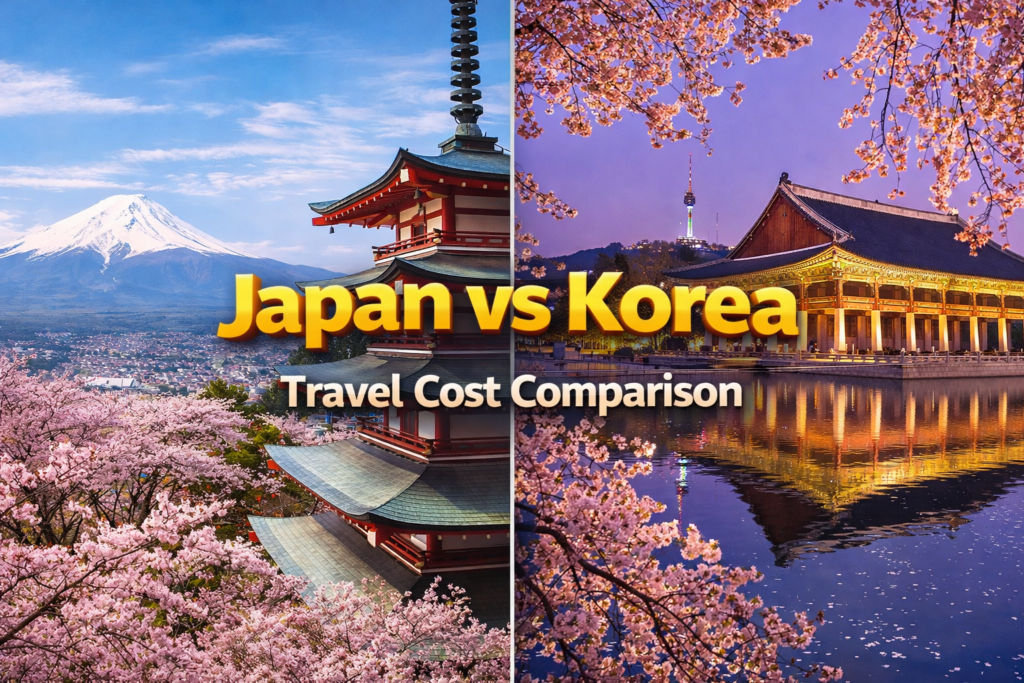
Understanding the japan vs korea travel cost differences helps budget-conscious travelers make informed decisions when choosing between these two popular East Asian destinations. According to current tourism data and verified pricing information for 2026, South Korea generally costs 20-30% less than Japan across most expense categories, though both countries remain significantly more affordable than Western destinations while delivering world-class experiences, safety, and cultural richness.
This comprehensive comparison examines daily expenses across accommodation, dining, transportation, attractions, and miscellaneous costs to provide travelers with realistic budget expectations. While Japan carries a reputation for being expensive, recent currency fluctuations and pricing trends reveal more nuanced cost structures that surprise many first-time visitors to both nations.
Overall Daily Budget Comparison

Based on publicly available travel cost data and verified pricing from tourism sources, the average daily costs for travelers in 2026 break down as follows:
Japan:
- Budget travel: $65-115 per day
- Mid-range travel: $120-220 per day
- Comfortable travel: $250-450+ per day
- Average across all travelers: $139 per day
South Korea:
- Budget travel: $45-85 per day
- Mid-range travel: $85-155 per day
- Comfortable travel: $180-320+ per day
- Average across all travelers: $100-120 per day
According to tourism industry analysis, South Korea demonstrates approximately 20-30% lower costs than Japan when comparing similar travel styles and accommodation standards. However, the gap narrows or reverses in specific categories, and both countries offer exceptional value compared to most Western destinations.
Read: 14 Iconic Places to Visit in Greece You Can’t Miss
Accommodation Cost Comparison
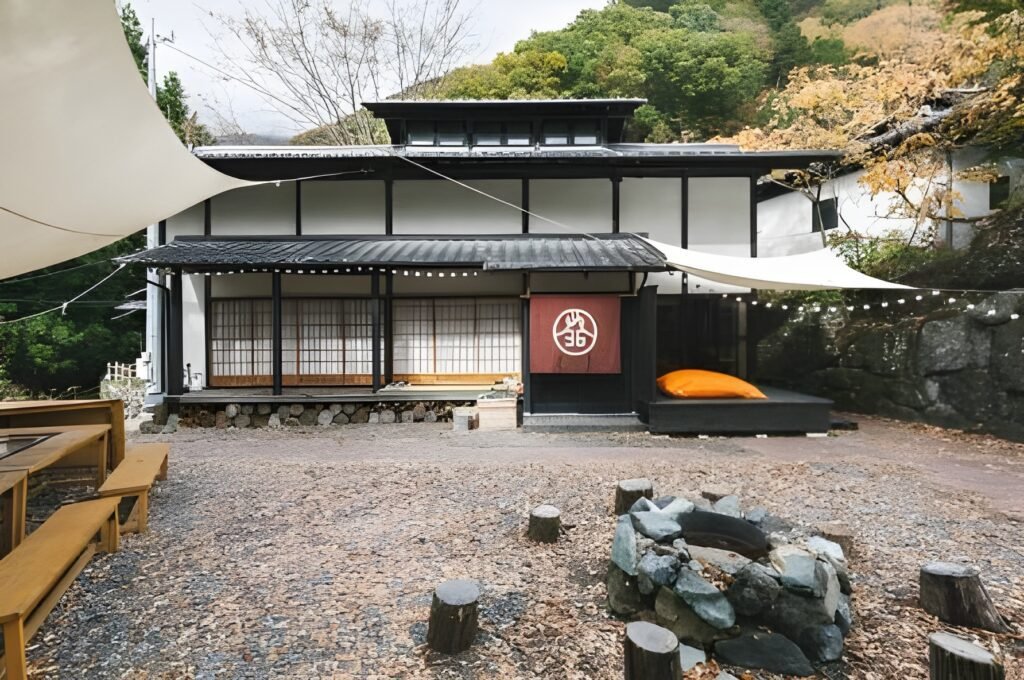
Lodging represents the largest variable expense for most travelers, with significant differences between Japan and South Korea affecting overall trip budgets.
Budget Accommodation ($20-50 per night)
- Japan: Hostel dormitory beds in Tokyo, Kyoto, and Osaka cost approximately ¥2,000-3,000 ($14-20) per night. Private rooms in budget hotels and guesthouses range from ¥6,000-10,000 ($40-70) nightly. Capsule hotels, a uniquely Japanese accommodation type, cost around ¥6,000-10,000 ($40-70) per night near major train stations.
- South Korea: Hostel dormitory beds in Seoul, Busan, and other cities cost approximately ₩15,000-30,000 ($11-22) per night. Private rooms in budget guesthouses and small hotels range from ₩30,000-50,000 ($22-37) nightly. Korea’s goshiwon (small single rooms originally for students) offer very budget options from ₩350,000-500,000 ($260-370) monthly for long-term stays.
Verdict: South Korea offers slightly cheaper budget accommodation options, particularly for longer stays, though the difference remains minimal at this price level.
Read: Amazing Places to Visit in Guatemala in 2026
Mid-Range Accommodation ($70-150 per night)
- Japan: Three-star hotels average approximately $100-150 per night according to booking platform data. Business hotels, popular with Japanese travelers, cost ¥6,000-30,000 ($40-200) per night, with most falling in the ¥10,000-15,000 ($70-105) range. These properties cluster near train stations, offering convenient access and essential amenities.
- South Korea: Three-star hotels average approximately $70-90 per night based on current pricing. Mid-range hotels in Seoul, Busan, and Jeju generally cost ₩90,000-140,000 ($67-105) per night. Traditional hanok stays in historic areas typically range from ₩115,000-190,000 ($85-140) per night,t offering cultural experiences at moderate prices.
Verdict: South Korea’s mid-range accommodation costs 25-35% less than comparable Japanese options, representing the most significant price difference in this category.
Luxury Accommodation ($200+ per night)
- Japan: Four-star hotels average approximately $160-250 per night, while five-star properties average around $200-400 nightly according to booking data. Traditional ryokan with tatami rooms and onsen access range from ¥20,000-50,000 ($140-350) per night. Premium Tokyo hotels like Peninsula or Park Hyatt exceed $500-1,400 nightly.
- South Korea: Four-star hotels average approximately $100-160 per night, with five-star properties averaging $280+ nightly. Premium Seoul hotels in areas like Gangnam command higher rates but generally remain below Tokyo’s ultra-luxury tier. High-end hanok stays and boutique properties cost ₩200,000-400,000 ($150-300) per night.
Verdict: South Korea’s luxury accommodation maintains 20-30% lower pricing than Japan’s equivalent properties, though both countries offer exceptional quality at these levels.
Read: 10 Must-See Destinations in Puerto Rico That Belong on Your Bucket List
Seasonal Price Variations
Both countries experience significant seasonal pricing fluctuations. Japan’s cherry blossom season (late March-early April) and autumn foliage period (October-November) see hotel rates increase 40-100%, particularly in Kyoto. South Korea experiences similar patterns during cherry blossom season and fall, though peaks remain less extreme than Japan’s.
Summer months (June-August) in Japan see lower accommodation prices except during the Obon holiday (mid-August). Winter offers the cheapest rates in both countries, with Korea’s pricing dropping particularly dramatically outside Seoul.
Read: 15 Spellbinding Places in France That Deserve a Spot on Your Bucket List
Food and Dining Cost Comparison

Both Japan and South Korea offer diverse, high-quality cuisines at accessible price points, though specific cost structures differ significantly.
Budget Dining ($20-40 per day)
- Japan: According to travel survey data, typical travelers in Japan spend approximately $48-52 per day on meals. However, budget-conscious travelers eating primarily at casual restaurants and convenience stores manage $20-30 daily. Ramen bowls cost ¥600-900 ($4-6), teishoku (set meals) run ¥700-1,200 ($5-8), and convenience store meals range ¥300-700 ($2-5). Standing soba shops and curry houses offer filling meals for ¥400-600 ($3-4).
- South Korea: Travel surveys indicate typical Korean food costs around $46 per day, though budget travelers manage $20-30 daily easily. Street food, including tteokbokki, hotteok, and kimbap costs ₩2,000-5,000 ($1.50-3.70). Casual restaurants serve complete meals for ₩5,000-10,000 ($3.70-7.40). Food courts and market vendors provide filling options at ₩4,000-8,000 ($3-6) per meal.
Verdict: South Korea edges slightly cheaper for ultra-budget dining, particularly through abundant street food options, though both countries deliver exceptional value at this level.
Read: Amazing Places to Visit in Thailand – My Favorites
Mid-Range Dining ($40-80 per day)
- Japan: Casual izakayas, family restaurants, and mid-level establishments charge ¥1,000-3,000 ($7-21) for main dishes. Complete meals with drinks average ¥2,000-4,000 ($14-28) per person. Sushi restaurants range from conveyor-belt options at ¥1,500-3,000 ($10-21) to proper sushi-ya at ¥5,000-10,000 ($35-70) per person.
- South Korea: Korean BBQ restaurants, a staple dining experience, cost ₩15,000-30,000 ($11-22) per person for quality establishments. Casual dining at restaurants serving jjigae (stew), bibimbap, or other Korean dishes runs ₩8,000-15,000 ($6-11) per person. Meals with alcohol (soju, beer) at social restaurants average ₩25,000-40,000 ($19-30) per person.
Verdict: Similar pricing overall, with Korea’s social dining culture (BBQ, drinking) potentially adding costs, while Japan’s individual serving style provides more control over expenses.
Read: Best 10 Places to Visit in Djibouti | Unmissable 2026 Guide
Fine Dining ($100+ per day)
- Japan: High-end restaurants and hotel dining cost ¥10,000-20,000+ ($70-140+) per person. Michelin-starred establishments and kaiseki (traditional multi-course) meals range from ¥15,000-50,000 ($105-350) per person. Celebrity chef restaurants and exclusive venues easily exceed ¥30,000 ($210) per person.
- South Korea: Fine dining in Seoul and major cities costs ₩80,000-150,000+ ($60-112+) per person. High-end Korean cuisine and fusion restaurants charge ₩100,000-200,000 ($74-150) for multi-course experiences. While premium, Korea’s fine dining generally costs less than Japan’s equivalent tier.
Verdict: Japan’s fine dining commands premium pricing 30-50% above Korea’s luxury restaurant scene, though both deliver exceptional quality.
Beverage and Alcohol Costs
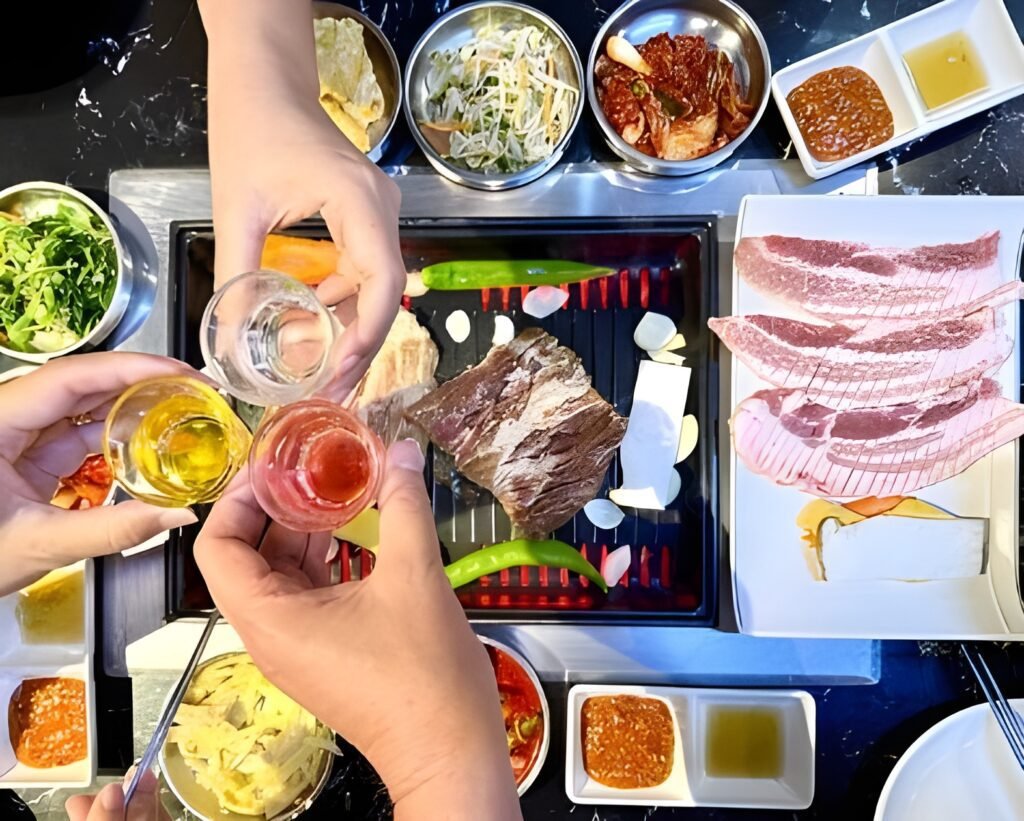
- Japan: Beer costs ¥300-700 ($2-5) at convenience stores, ¥600-900 ($4-6) at casual restaurants, and ¥800-1,200 ($6-8) at izakayas. Coffee at chains like Doutor costs ¥250-450 ($1.75-3.15), while specialty cafes charge ¥500-800 ($3.50-5.60). Soft drinks from vending machines cost ¥100-150 ($0.70-1.05).
- South Korea: Beer costs ₩1,500-3,000 ($1.10-2.20) at convenience stores, ₩4,000-6,000 ($3-4.50) at restaurants, and ₩5,000-8,000 ($3.70-6) at bars. Soju, Korea’s popular spirit, costs just ₩1,500-3,000 ($1.10-2.20) at stores. Coffee at chains costs ₩3,000-5,000 ($2.20-3.70), with specialty cafes charging ₩6,000-9,000 ($4.50-6.70).
Verdict: South Korea offers significantly cheaper alcohol, particularly soju and beer, making social drinking more budget-friendly than Japan.
Read: Best Places to Visit in Spain 2026 | Gorgeous Destinations
Transportation Cost Comparison
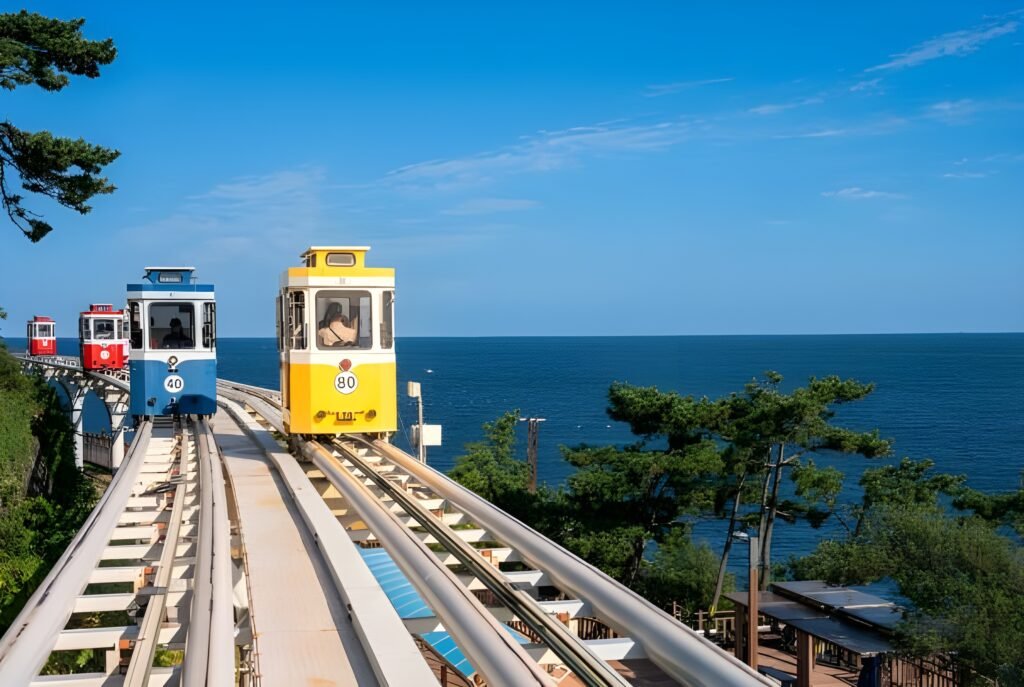
Both countries maintain world-class public transportation systems, though pricing structures and long-distance travel costs differ substantially.
Local Urban Transport
- Japan: Tokyo Metro and subway fares range from ¥150-320 ($1-2.24) depending on distance. Day passes cost approximately ¥600-900 ($4.20-6.30). Buses charge similar per-journey rates. The rechargeable Suica/Pasmo IC cards work nationwide, providing convenient payment without per-journey ticket purchases.
- South Korea: Seoul subway fares start at approximately ₩1,250 ($0.93) for basic journeys, increasing to ₩1,500-1,800 ($1.12-1.34) for longer distances. Buses cost ₩1,200-2,400 ($0.89-1.79) depending on type and distance. T-money cards work across the country similarly to Japan’s IC cards. One Seoul subway ride costs roughly one-third less than comparable Tokyo journeys.
Verdict: South Korea’s urban public transport costs 30-50% less than Japan’s equivalent systems, representing significant daily savings.
Read: Best Place Where to Travel in Colombia in This Year ?
Long-Distance Train Travel
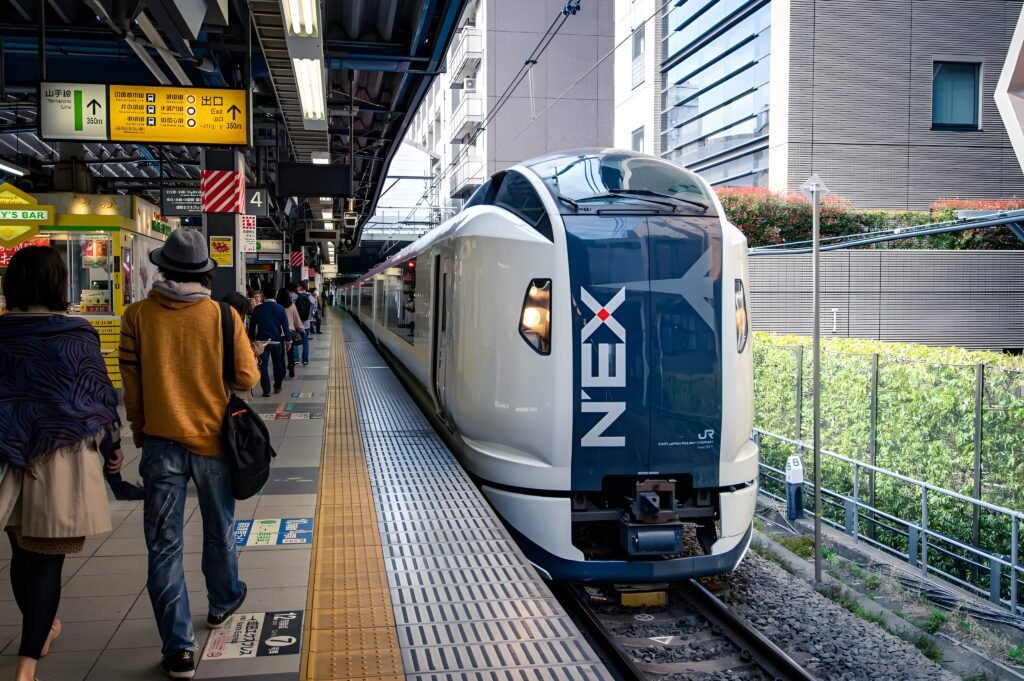
- Japan: The famous Shinkansen bullet trains cost substantially more than Korea’s equivalent. Tokyo to Kyoto (approximately 500 km) costs around ¥14,000 ($98) one-way for standard reserved seats. Tokyo to Osaka runs similarly. The Japan Rail Pass, while valuable for tourists making multiple long-distance trips, costs ¥50,000 ($350) for 7 days of ordinary-class travel.
- South Korea: The KTX high-speed trains connecting major cities cost significantly less. Seoul to Busan (approximately 400 km) costs approximately ₩59,800 ($44) for standard class. Seoul to other major cities ranges ₩20,000-60,000 ($15-45). The Korea Rail Pass costs approximately ₩130,000 ($97) for 2 consecutive days, offering good value for multi-city trips.
Verdict: South Korea’s high-speed rail costs approximately 50% less than Japan’s Shinkansen for comparable distances, representing one of the largest cost differences between the countries.
Read: Belgium’s Most Beautiful Places You Must Visit
Taxi and Ride-Sharing
- Japan: Taxi meter base fares in Tokyo start at ¥500-600 ($3.50-4.20) for the first 1-2 km, increasing ¥90-100 ($0.63-0.70) every few hundred meters. A typical 15-minute cross-city ride easily costs ¥2,000-3,000 ($14-21). Nighttime surcharges increase fares 20-25%. Most travelers avoid taxis except when necessary due to expense.
- South Korea: Taxi base fares in Seoul start at approximately ₩4,800 ($3.60) for the first 1.6 km. Short 15-minute rides typically cost ₩8,000-12,000 ($6-9). Ride-sharing apps like Kakao T provide fixed-price alternatives. Korean taxis cost roughly half of Japanese equivalents for similar distances.
Verdict: South Korea’s taxis cost 40-50% less than Japan’s, making them viable budget options rather than luxury-only transport.
Attraction and Entertainment Costs

Both countries offer diverse attractions ranging from free cultural sites to premium theme parks, with varying pricing structures.
Museum and Cultural Site Entrance Fees
- Japan: Major museums charge approximately ¥600-1,500 ($4.20-10.50) for adults. Kyoto temples typically cost ¥400-600 ($2.80-4.20) each, though some like Fushimi Inari remain free. Tokyo National Museum costs ¥1,000 ($7), while specialty museums range from ¥800 to ¥ 2,000 ($5.60-14). Many shrines and parks offer free access.
- South Korea: Major museums charge approximately ₩3,000-10,000 ($2.24-7.46) for adults. Palace entry costs ₩3,000-5,000 ($2.24-3.73), with combination tickets offering discounts. Many museums offer free admission on specific days. Cultural sites generally cost less than Japanese equivalents.
Verdict: South Korea’s cultural attractions cost 20-40% less than Japan’s similar venues, with more frequent free admission opportunities.
Theme Parks and Major Attractions
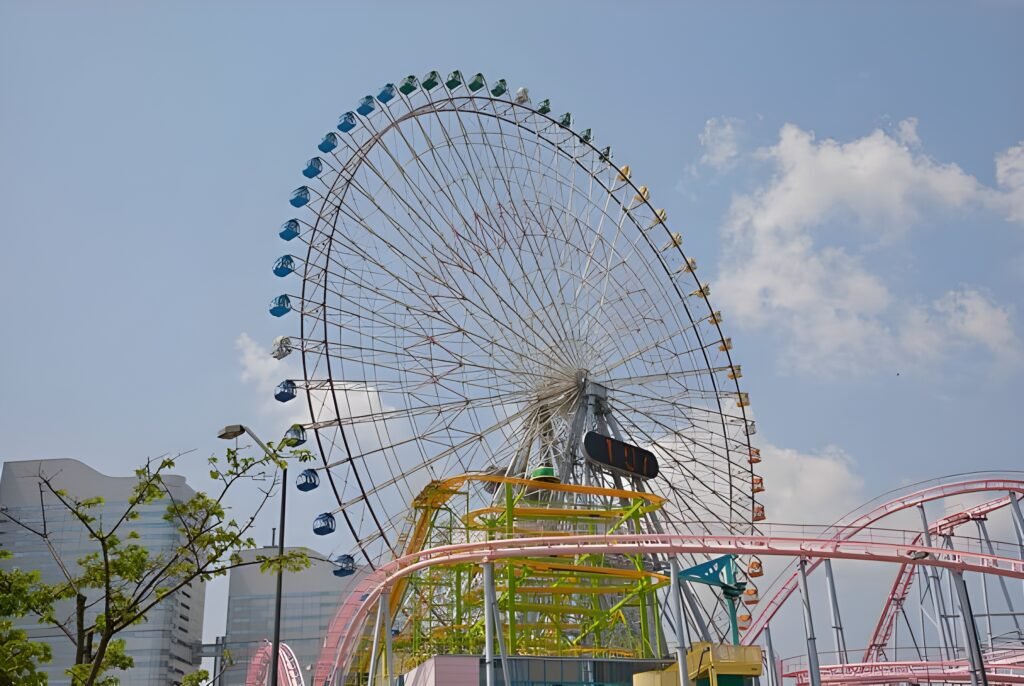
- Japan: Universal Studios Japan costs approximately ¥8,600-10,400 ($60-73) for one-day admission. Tokyo Disneyland/DisneySea charges ¥7,900-9,400 ($55-66) depending on date and advance purchase. Tokyo Skytree observation deck costs ¥2,100-3,100 ($15-22) depending on the height level visited.
- South Korea: Lotte World and Everland, Korea’s major theme parks, charge approximately ₩60,000-70,000 ($45-52) for day passes. The Seoul Tower observation deck costs ₩16,000 ($12) for adults. Major attractions generally price 15-25% below Japanese equivalents.
Verdict: South Korea’s theme parks and major attractions cost moderately less than Japan’s, though both maintain premium pricing compared to other Asian destinations.
Read: Discover Beautiful Places to Visit in Switzerland
Free Attractions
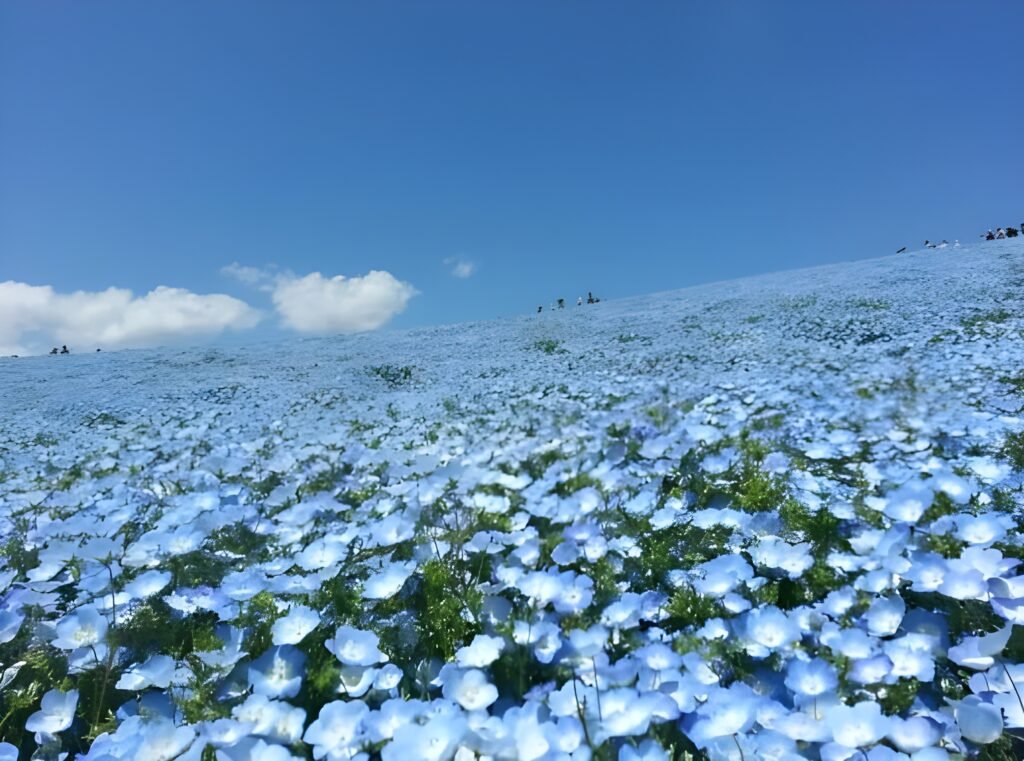
Both countries excel at providing world-class free experiences. Japan offers stunning temples (Meiji Shrine, Senso-ji), parks, gardens, neighborhood exploration, and numerous festivals at no cost. South Korea provides free palace guard ceremonies, extensive hiking trails, beach access, traditional villages, and vibrant markets without entrance fees.
Read: 15 + Breathtaking Places to Explore in Costa Rica for Nature Lovers
Complete Weekly Trip Cost Comparison
Based on comprehensive 2026 pricing data, here’s a complete cost breakdown for one-week trips (per person):
| Category | Japan Budget | Japan Mid-Range | Korea Budget | Korea Mid-Range |
|---|---|---|---|---|
| Accommodation (7 nights) | $280-385 | $700-1,050 | $154-259 | $490-735 |
| Food (7 days) | $140-210 | $280-420 | $140-210 | $280-385 |
| Local Transport (7 days) | $42-70 | $70-105 | $21-42 | $42-70 |
| Long-Distance Train (2-3 trips) | $196-294 | $196-294 | $88-132 | $88-132 |
| Attractions (7 days) | $70-140 | $140-280 | $56-105 | $105-196 |
| Miscellaneous (10%) | $73-110 | $139-215 | $46-75 | $101-152 |
| TOTAL PER PERSON | $801-1,209 | $1,525-2,364 | $505-823 | $1,106-1,670 |
For Two-Week Trips (per person):
- Japan Budget: $1,680-2,474
- Japan Mid-Range: $3,150-4,725
- Korea Budget: $1,050-1,680
- Korea Mid-Range: $2,205-3,360
These estimates exclude international flights, travel insurance, shopping, and extensive alcohol consumption.
Currency and Payment Considerations

- Japan: Uses the Japanese Yen (¥). The weakening yen over recent years has made Japan significantly more affordable for travelers from Western countries, Australia, and Korea. As of 2026, exchange rates favor international visitors more than historically typical. Credit cards are widely accepted in cities, though cash remains important for smaller establishments, temples, and rural areas.
- South Korea: Uses the Korean Won (₩). Exchange rates remain relatively stable. Credit cards and mobile payment systems like Kakao Pay enjoy near-universal acceptance even at small vendors. Korea’s advanced payment infrastructure means travelers can operate almost entirely cashless in cities, though some cash proves useful at traditional markets.
Travel Insurance and Additional Costs
- Travel insurance typically costs similar amounts for both destinations, approximately $50-150 per week, depending on coverage and traveler age. Both countries maintain excellent healthcare standards, though services prove expensive without insurance.
- SIM cards and mobile data cost approximately ¥3,000-5,000 ($21-35) in Japan for tourist packages, while Korea charges ₩30,000-50,000 ($22-37) for similar data plans. Both countries offer extensive free WiFi in cities, though mobile connectivity provides navigation and translation convenience.
Money-Saving Strategies
Japan-Specific Savings:
- Visit during January, June, or September for 40% lower accommodation rates
- Eat at convenience stores (konbini) for $3-5 high-quality meals
- Purchase a Japan Rail Pass only if making multiple long-distance trips
- Stay in business hotels rather than international chains
- Explore free shrines, temples, parks, and neighborhoods extensively
Korea-Specific Savings:
- Travel during shoulder seasons (April-May, September-November)
- Eat at food markets and street vendors for exceptional value
- Use the T-money card for small transport discounts
- Stay in areas outside Gangnam for better accommodation value
- Take advantage of palace combination tickets and free museum days
Applicable to Both:
- Book accommodations 2-3 months in advance
- Use public transportation exclusively
- Mix free attractions with selective paid experiences
- Shop at supermarkets for breakfast items and snacks
- Avoid peak cherry blossom and autumn seasons if budget-focused
Best Time to Visit for Budget Travelers
- Japan: January, June, and September offer the lowest accommodation prices and fewer crowds. Summer (June-August) brings rainy season and heat, but dramatically reduced costs. Winter (January-February) provides excellent value with clear weather in most regions, though temperatures drop significantly.
- South Korea: February-March and October-November deliver good value with pleasant weather. Summer (July-August) sees higher prices during vacation periods. Winter offers the cheapest accommodation but brings cold temperatures, particularly in Seoul and northern regions.
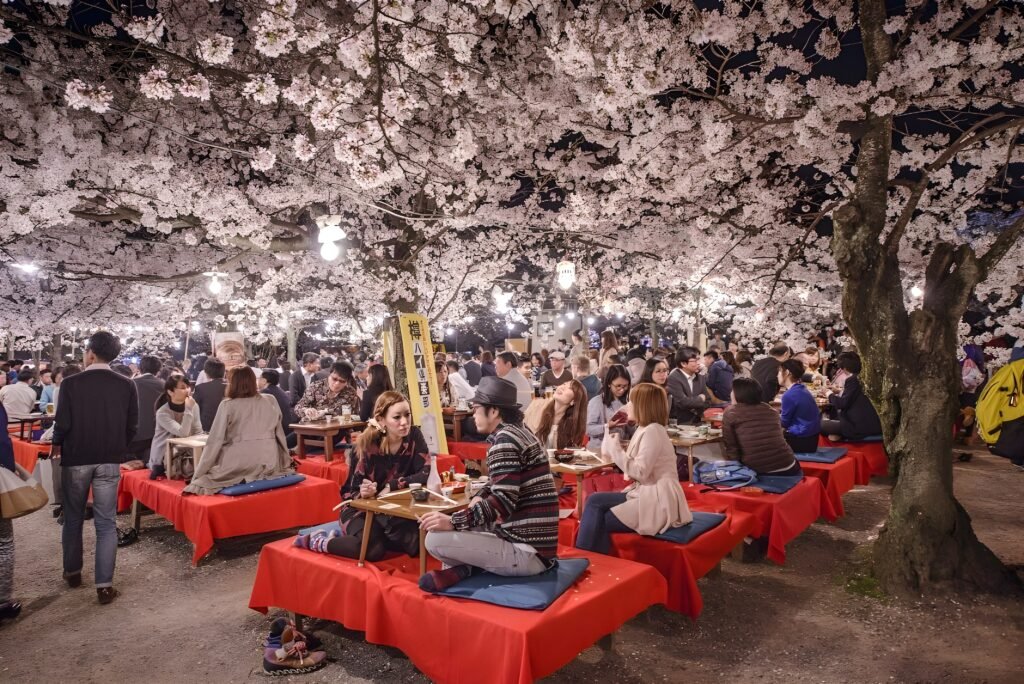
Both countries should be avoided during cherry blossom season (late March-early April) by strict budget travelers, as accommodation prices double or triple with months-ahead booking requirements.
Frequently Asked Questions
- Is Japan more expensive than South Korea for tourists?
Yes, according to the comprehensive 2026 cost analysis, Japan generally costs 20-30% more than South Korea across most categories. Accommodation shows the largest gap with mid-range Korean hotels costing 25-35% less than Japanese equivalents. Long-distance train travel in Korea costs approximately 50% less than Japan’s Shinkansen. However, food costs remain similar, and both countries offer exceptional value compared to Western destinations. Budget travelers can visit Korea for approximately $505-823 per week versus $801-1,209 for Japan.
- Which country is better value for money?
South Korea delivers better monetary value for most budget-conscious travelers due to lower accommodation costs, cheaper transportation, and slightly reduced attraction fees. However, Japan offers arguably greater diversity of experiences, more varied landscapes from tropical Okinawa to snowy Hokkaido, and richer cultural depth from centuries of preserved traditions. The best value depends on personal priorities: Korea for budget efficiency, Japan for experiential variety. Many travelers find visiting both countries provides optimal value by experiencing different strengths.
- How much does accommodation cost in Japan vs Korea?
Japan’s mid-range accommodation averages $100-150 per night compared to Korea’s $70-90 for equivalent quality. Budget hostels cost $14-20 in Japan versus $11-22 in Korea. Luxury five-star hotels average $200-400 in Japan versus $280 in Korea, though premium Japanese properties often exceed this range. The gap narrows at budget and luxury levels while remaining most significant for mid-range travelers who see 25-35% savings in Korea.
- Is public transportation cheaper in Korea or Japan?
Public transportation costs significantly less in Korea. Seoul subway base fares start at ₩1,250 ($0.93) compared to Tokyo’s ¥150-320 ($1-2.24). The most dramatic difference appears in high-speed rail where Seoul to Busan costs approximately $44, versus Tokyo to Kyoto at $98 for comparable distances. Korean taxis cost 40-50% less than Japanese equivalents. Overall, Korea’s transportation represents one of the largest cost advantages over Japan.
- Can I visit both Japan and Korea in one trip?
Yes, visiting both countries in a single trip makes excellent logistical sense. Flights between Tokyo and Seoul take approximately 2-2.5 hours with frequent service from multiple carriers including budget airlines. Flights from Fukuoka to Busan take under 1.5 hours, and a ferry service operates between these cities. Many travelers spend 7-10 days in Japan followed by 4-7 days in Korea, or reverse the itinerary. A 14-day trip allows comfortable exploration of both countries’ highlights.
- Which country has cheaper food?
Food costs remain remarkably similar between Japan and Korea at budget and mid-range levels, with both averaging $20-30 daily for budget travelers and $40-60 for mid-range dining. Korea’s abundant street food provides slightly cheaper ultra-budget options at $1.50-3.70 per item. However, Korea’s social drinking culture can increase costs when participating in local customs. Japan’s convenience store meals offer exceptional value at $2-5. Overall, food expenses differ minimally between countries for most travelers.
- Do I need more days in Japan or Korea?
Japan typically requires longer itineraries due to its greater size and more dispersed major attractions. A comprehensive first visit to Japan benefits from 7-10 days minimum, covering Tokyo, Kyoto, Osaka, and potentially one additional region. Korea’s more compact size allows comfortable exploration in 4-7 days, covering Seoul, Busan, and nearby historic or scenic sites. Longer trips in either country enable deeper regional exploration and cultural immersion.
- Which country is easier for English speakers?
Both countries present language challenges outside major tourist areas, though Korea generally demonstrates slightly better English proficiency among younger populations and provides more English signage. Japan excels at tourist infrastructure with better English availability at hotels, attractions, and tourist information centers. However, Japan’s complex train system with multiple operators can confuse first-time visitors despite English signage. Neither country requires Japanese or Korean language skills for tourism, though learning basic phrases enhances experiences in both nations.
Summary: The japan vs korea travel cost comparison reveals South Korea costs approximately 20-30% less than Japan across most expense categories, with the largest savings appearing in mid-range accommodation (25-35% cheaper), long-distance transportation (50% cheaper for high-speed rail), and urban public transit (30-50% cheaper). Daily budgets average $100-120 in Korea versus $139 in Japan, with weekly trips costing $505-823 (Korea budget) versus $801-1,209 (Japan budget) per person.
However, cost differences represent only one consideration when choosing between these destinations. Japan offers greater geographic diversity spanning subtropical Okinawa to snowy Hokkaido, more extensive cultural heritage sites, and arguably deeper historical preservation. South Korea provides a more compact geography, enabling efficient multi-city exploration, vibrant contemporary culture, including K-pop and cutting-edge technology, and social dining experiences.
Both countries maintain exceptional safety records, world-class public transportation, excellent food quality, and unique cultural attractions unavailable elsewhere. Recent Japanese yen weakness has made Japan more affordable than historical patterns, narrowing the traditional cost gap, while Korea’s prices have increased moderately.
Budget travelers seeking maximum value find that South Korea delivers more experiences per dollar spent, particularly for mid-range accommodation and transportation. However, Japan’s unique cultural offerings, seasonal beauty including cherry blossoms and autumn foliage, and unmatched attention to detail in service and craftsmanship justify higher costs for many travelers.
The optimal choice depends on individual priorities: Korea for budget efficiency and contemporary Asian culture, Japan for traditional heritage and geographic diversity, or ideally, visiting both countries in a single 14-day trip to experience the distinctive strengths each nation offers.
Disclaimer: This guide is based on publicly available tourism data, official travel resources, and general cost estimates current as of early 2026. Prices and rules may vary depending on season and traveler profile. Accommodation costs fluctuate dramatically between peak seasons (cherry blossom period, autumn foliage, summer holidays) and off-peak periods, with variations of 40-100% common in popular cities. Food costs vary by establishment type, location (tourist areas versus local neighborhoods), and dining style.
Transportation prices are subject to fuel cost fluctuations, seasonal demand, and advance booking timing. Exchange rates between major currencies and Japanese Yen or Korean Won fluctuate daily, impacting actual costs significantly. Always verify current pricing through official sources, booking platforms, attraction websites, and recent traveler reports before finalizing travel plans. Regional variations within each country affect costs substantially,y with Tokyo and Kyoto commanding premium pricing in Japan, while Seoul’s Gangnam district represents Korea’s most expensive area. This article provides informational guidance only and does not constitute official travel or financial advice.