
Canada’s the second-biggest country on the planet, which means it’s absolutely loaded with incredible landscapes, so yeah, narrowing this down wasn’t easy. That said, after spending a good amount of time roaming around up there, I’ve landed on the spots that really stuck with me, and I’m excited to walk you through them.
1. The Canadian Rockies
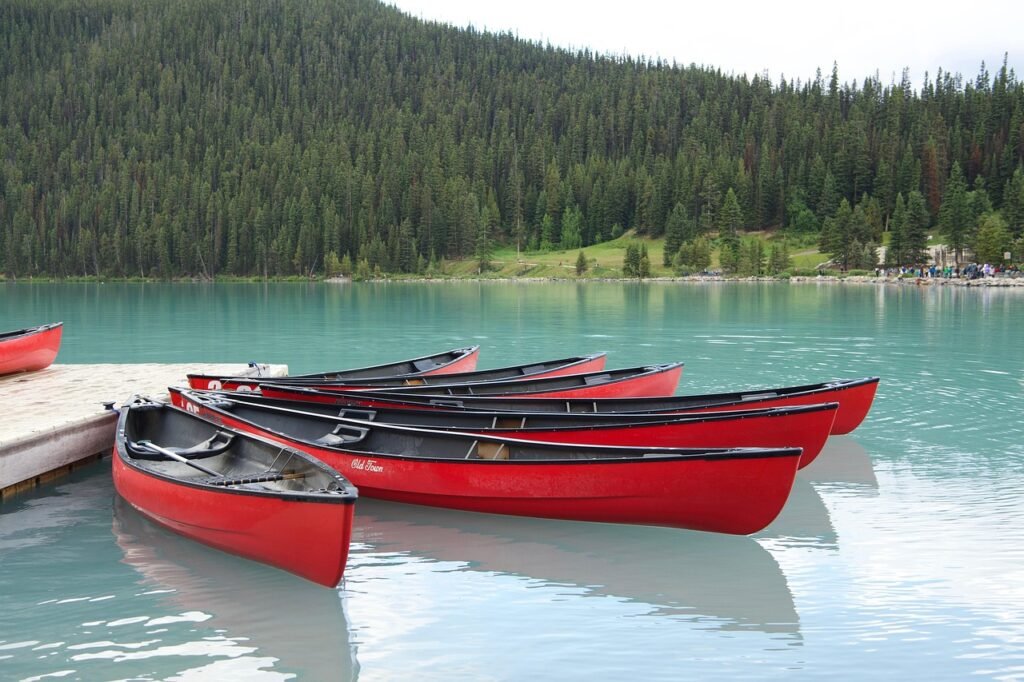
The Canadian Rockies are world-famous for good reason. I’m talking jagged peaks, dense forests, and crystal-clear lakes that look almost unreal. What really got me was how all of that rolls into five national parks that people travel from everywhere to see: Banff, Jasper, Kootenay, Yoho, and Glacier. The whole vibe up there feels equal parts majestic and ready for adventure.
The range itself runs more than 3,000 miles, starting way up in northern British Columbia and cutting down through the U.S. all the way to New Mexico. Mount Elbert, the tallest point, hits 14,440 feet.
I posted up in the area for a full week part of that at the Penthouse At Solar A Resort and Spa, which yeah, is pretty photogenic and spent my days hiking trails in Banff and Jasper, checking out the Icefields along the Icefields Parkway (which is as dramatic as it sounds), soaking in Banff’s natural hot springs, skiing at Lake Louise, wandering through Yoho and Kootenay, and poking around the mountain towns of Canmore and Golden, both of which have that low-key charm you want after a day outside.
- Location: Banff National Park, The Canadian Rockies.
- Location Map
- Best time to visit: July to August
Read: best Popular tourist places in Australia
A couple of things really stood out for me…
- I crashed at MTN House by Basecamp, which has this mountain-chic 4-star thing going on loved the vibe they’ve got with all the Scandi beech wood and the trendy touches, including a Nespresso Vertuo sitting right there in my room.
- Taking the Rocky Mountaineer was easily one of the highlights. Those glass-domed coaches give you unobstructed views of the peaks and forests rolling by, and I spent time on the outdoor viewing platform just taking it all in. Dinner in the upscale dining car was solid, too. I went with the wild mushroom risotto made from locally foraged ingredients, and it didn’t disappoint.
2. Banff National Park
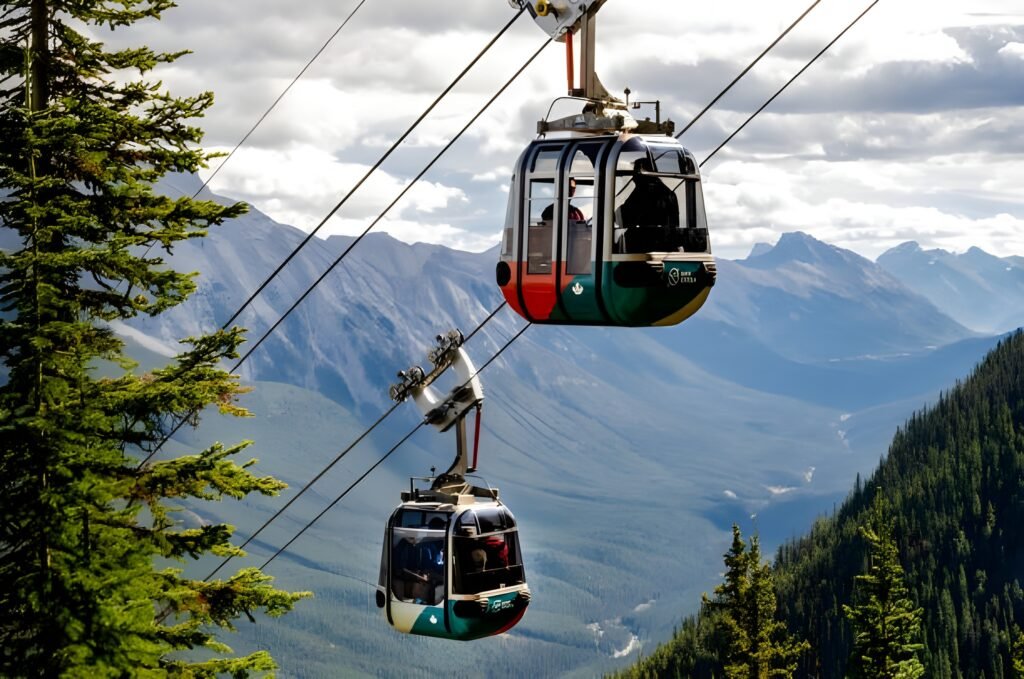
Banff blew me away. I’m talking alpine scenery that stops you in your tracks, towering mountain views, lakes that practically glow, thick forests everywhere, plus all the conveniences you’d want like solid restaurants and cute shops. What I really appreciated was how it balances serious outdoor adventure with that warm, mountain-town feel.
It sits right in the middle of the Canadian Rockies inside Banff National Park, in Alberta, roughly 80 miles west of Calgary. The park itself dates back to 1885, Canada’s very first national park, and there’s a small town of about 8,000 people living inside the protected zone.
I spent five incredible days there and packed in a lot: kayaking on Lake Louise, hiking through Johnston Canyon (the views are ridiculous), riding the Banff Gondola up for those sweeping panoramas, hitting the world-class slopes at Sunshine Village, unwinding in the Banff Upper Hot Springs, and driving the Icefields Parkway to catch wildlife and those raw, rugged peaks.
- Visitors Center Address: Banff Visitor Centre (Hours) 224 Banff Avenue, Town of Banff.
- Map Location
- Best time to visit: all year round (different seasons offer different activities)
My favorite highlights…
- I stayed at Sunshine Mountain Lodge, a 4-star spot with modern boutique styling that really nails it. The outdoor hot tub is a massive one of the biggest in all of Canada, and the cedar-lined dry sauna was perfect after a day on the mountain. Also worth noting: it’s the only hotel in the area you can reach directly by gondola.
Read : The 20 Best Amusement Parks in the U.S.
3. Vancouver

Vancouver won me over the second I got there. The city looks incredibly sleek glass towers next to old brick buildings, all of it framed by the ocean, beaches (some sandy, some rocky), dense forest, and the snow-dusted Coast Mountains rising behind everything.
What really struck me was how it manages to be multiple things at once. It’s relaxed but cosmopolitan, outdoorsy but urban, diverse but cohesive. I could grab coffee at some tucked-away café downtown, then be on a mountain trail or stretched out on a beach twenty minutes later. It’s got that easygoing West Coast thing going on without losing any of the buzz you want from a real city.
The city sits on the west coast of British Columbia, squeezed between the Pacific and the Coast Mountains. It was founded back in 1886 and now holds around 660,000 people. It’s recognized for its Indigenous roots, quality of life, and role as a Pacific gateway.
I spent four days there and hit a lot of ground: walked the seawall loop around Stanley Park, poked around the food market and craft shops on Granville Island, checked out the Vancouver Art Gallery, wandered Gastown (where the old Steam Clock still draws a crowd), hung out on Kitsilano Beach, and rode up Grouse Mountain for the view.
- Visitors Center Address: The Tourism Vancouver Visitor Centre, 200 Burrard Street, Suite 210, Vancouver, British Columbia, V6C 3L6
- Map Location
- Best time to visit: April to October (when the weather is mild)
One thing that stuck with me…
- I stayed at L’Hermitage Hotel, a 4-star spot that mixes Parisian flair with West Coast polish in a way that actually works. My room had an Italian marble bathroom, a bed so plush I didn’t want to leave it, and access to an outdoor heated lap pool and jacuzzi, pretty solid setup all around.
4. Vancouver Island
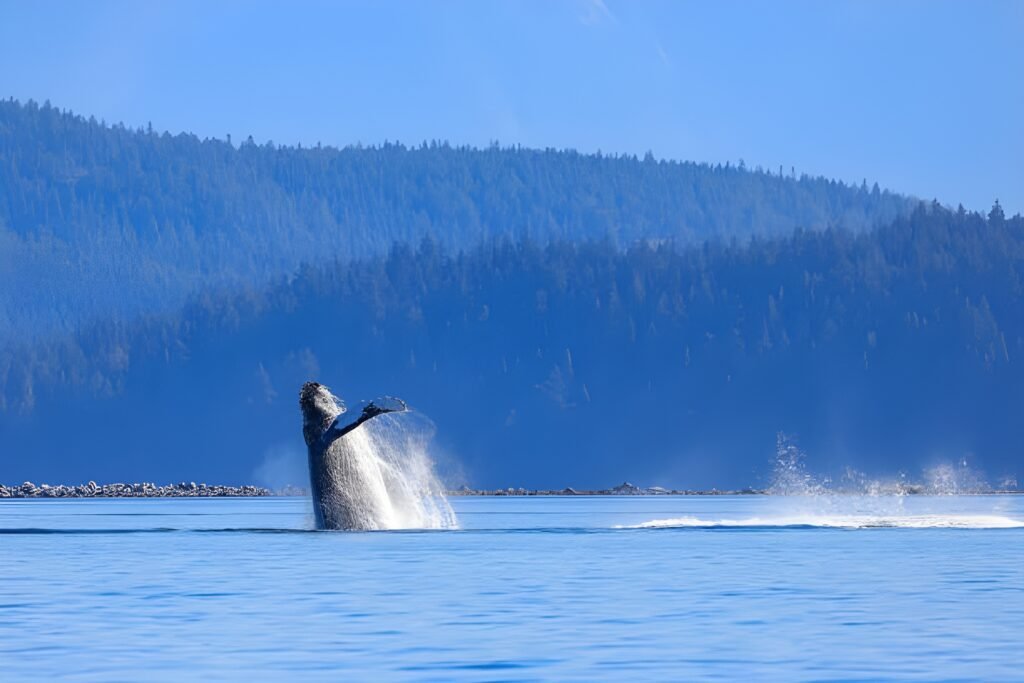
Vancouver Island hit different, serene but full of character, with a vibe I wasn’t expecting. The scenery alone is worth it: jagged coastal cliffs, fog rolling through ancient rainforests, stretches of sand, little seaside towns, old buildings with actual history, and these bohemian pockets scattered around that feel artsy and alternative in the best way.
It’s the biggest island on the west coast of North America, home to about 865,000 people. The Indigenous Coast Salish, Nuu-chah-nulth, and Kwakwaka’wakw peoples shaped this place long before European explorers showed up, and you can see that cultural mix everywhere if you’re paying attention.
I caught the ferry over from Vancouver and posted up for a week at Long Beach Lodge Resort, a 4-star spot with a location that’s hard to beat. From there, I wandered Victoria’s streets and checked out the historic Fairmont Empress, jumped in the cold, wild surf at Tofino, and hiked Cathedral Grove, where the old-growth trees tower over you.
I also got lucky and spotted orcas and humpback whales out in the Salish Sea, soaked in the natural hot springs at Hot Springs Cove, browsed the offbeat bohemian markets on Salt Spring Island, and drove the Pacific Rim Highway, which delivers on every view you’re hoping for.
- Visitors Center Address: 3607 Small Rd #101, Cumberland, British Columbia V9N 3Z8 C
- Location Map
- Best time to visit: spring to fall
These things really stood out for me…
- Afternoon tea at the Fairmont Empress, the iconic 5-star spot right on the water. Loved the elegant setup, the delicate cakes and finger sandwiches, and the fact that the honey they serve comes straight from the hotel’s own hives—small detail, but it stuck with me.
Read : Top Cheap Weekend Getaways in the U.S. for 2026
5. Whistler

Whistler’s one of the biggest ski destinations on the continent, and the setting alone is worth the trip: alpine peaks everywhere, a mix of modern resort buildings and classic chalets, thick forests, and mountains stacked behind everything. The vibe splits between high-octane adventure and that relaxed mountain-town rhythm.
It’s tucked into the Coast Mountains in British Columbia, about 75 miles north of Vancouver. The resort municipality got official status in 1975 and co-hosted the 2010 Winter Olympics. Around 11,854 people live there year-round, and it’s recognized globally for its ski terrain and mountain biking trails.
I went in summer and still hit the slopes on Whistler and Blackcomb Mountains, watched snowboarders, tobogganers, and ski jumpers do their thing, rode the Peak 2 Peak Gondola for those sweeping views, unwound at Scandinave Spa, and ate and shopped my way through Whistler Village. Come warmer months, the area shifts to hiking, biking, and zip-lining.
- Location: north of Vancouver, British Columbia
- Map Location
- Best time to visit: December to February for great skiing conditions.
One spot I’m glad I found…
- 3 Singing Birds—this tiny, offbeat shop is packed with handmade jewelry, unique home pieces, organic skincare, and poetry written by locals. The whole setup felt more like wandering through a small gallery than browsing a normal store, and I dug that.
Read : Most Small Towns in America That Are Perfect for a Short Trip
6. Jasper National Park
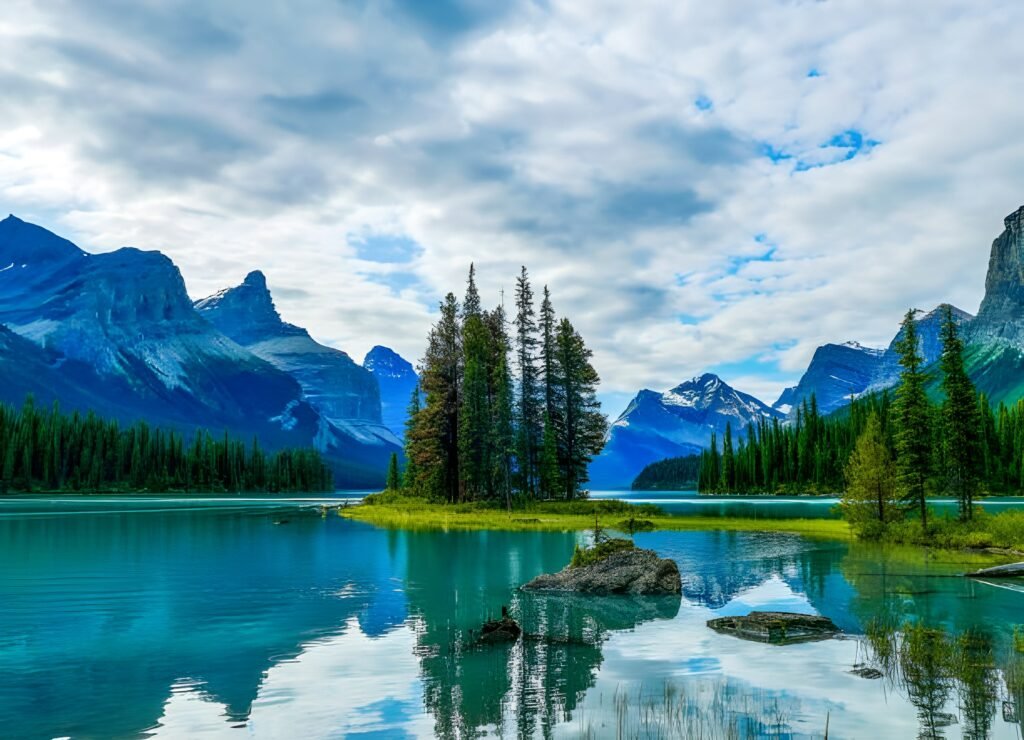
Jasper blew me away, massive, wild, and way less trampled than you’d expect. The landscape doesn’t quit: soaring peaks, glassy lakes, the whole Canadian Rockies backbone stretching out in every direction. It’s got that quiet, adventurous pull, and compared to Banff next door, it’s bigger, emptier, way less commercialized.
The park dates back to 1907 and sits in the Alberta Rockies north of Banff, west of Edmonton. It covers more than 11,000 square kilometers and wraps around the town of Jasper, where about 5,000 people live. Wildlife elk, bears, and moose wander through like they own the place, because they do.
I drove up from Banff (four hours) and stayed at Pyramid Lake Lodge for four days, hiking the trails around Maligne Canyon and Maligne Lake, driving the Icefields Parkway to check out those massive ice fields, taking a boat out to Spirit Island on Maligne Lake, and riding the Jasper SkyTram up for views that went on forever.
- Visitors Center Address: 500 Connaught Drive, Jasper
- Map Location
- Best time to visit: June to September (when the weather is warm)
These things really stood out for me…
- Tackling the Sulphur Skyline Trail, five miles, five hours, steep as hell on the way down, but the summit view made every step worth it. Right near the end of the trail sits Miette Hot Springs, and soaking there after that hike was perfect.
7. Yoho National Park, British Columbia

Yoho doesn’t get nearly the attention Banff and Jasper pull, but honestly? That’s part of why I liked it so much. It’s quieter, feels more contained, but the scenery holds up just fine big waterfalls, deep blue lakes, thick forest everywhere, old heritage buildings scattered around, and these calm riverbank beaches that hardly anyone seems to know about.
The park became official in 1886 and was folded into the Canadian Rocky Mountain Parks UNESCO World Heritage Site. It’s tucked into the southeastern corner of British Columbia in the Rockies, covering about 1,313 square kilometers. The Burgess Shale fossils here are a huge deal, over 500 million years old, and still drawing paleontologists from everywhere.
I spent two days there and hit Takakkaw Falls, one of the tallest waterfalls in the country, checked out the ancient Burgess Shale site, hiked the tough trails out to Emerald Lake and Lake O’Hara, paddled around Wapta Lake when the water was glassy and still, walked the scenic Iceline Trail, and joined a guided trip up to the Mount Stephen Fossil Beds, which was way more interesting than I expected.
- Location: Field, BC V0A 1G0
- Map Location
- Best time to visit: July to September
One trail I’d recommend…
- The Wapta Falls Trail is easy enough for families, took me about two hours round-trip, and delivers you straight to Wapta Falls, an 18-meter drop that’s the biggest waterfall in the park. Worth every step.
8. Prince Edward Island

Prince Edward Island caught me off guard in the best way. You’ve got these charming little maritime towns, Victorian buildings that actually look cared for, rolling green countryside, and beaches with sand that shifts from white to rust-red depending on where you are. The whole island moves at a different speed, slower, friendlier, the kind of place where strangers smile at you for no reason.
It floats in the Gulf of St. Lawrence just north of Nova Scotia and holds the title of Canada’s smallest province, with around 159,000 people spread across it. It became part of Canada back in 1873 and carries a fair bit of history, including being the real-world backdrop for Anne of Green Gables.
I ferried over from Nova Scotia and spent three low-key days wandering around. Hit Cavendish, the little resort area with solid beach access, checked out the Anne of Green Gables heritage site (even if you haven’t read the book, the farmhouse is worth seeing), stretched out on Singing Sands Beach where the fine white sand makes that weird squeaking sound when you walk on it, stopped by the West Point Lighthouse and its small museum, and spent time in Charlottetown the capital’s got great restaurants, a harbor full of boats gently rocking in place, and a cultural scene that punches above its weight for a city this size.
- Visitors Center Address: 6 Prince Street, Charlottetown, Prince Edward Island
- Map Location
- Best time to visit: June to September
These things really stood out for me…
- The Great George is an award-winning boutique hotel inside a carefully restored heritage building. Loved the dark wood four-poster bed in my room, the in-room spa services, and the whole romantic, historic vibe, definitely geared toward couples looking for something a little special.
9. Cape Breton Highlands National Park
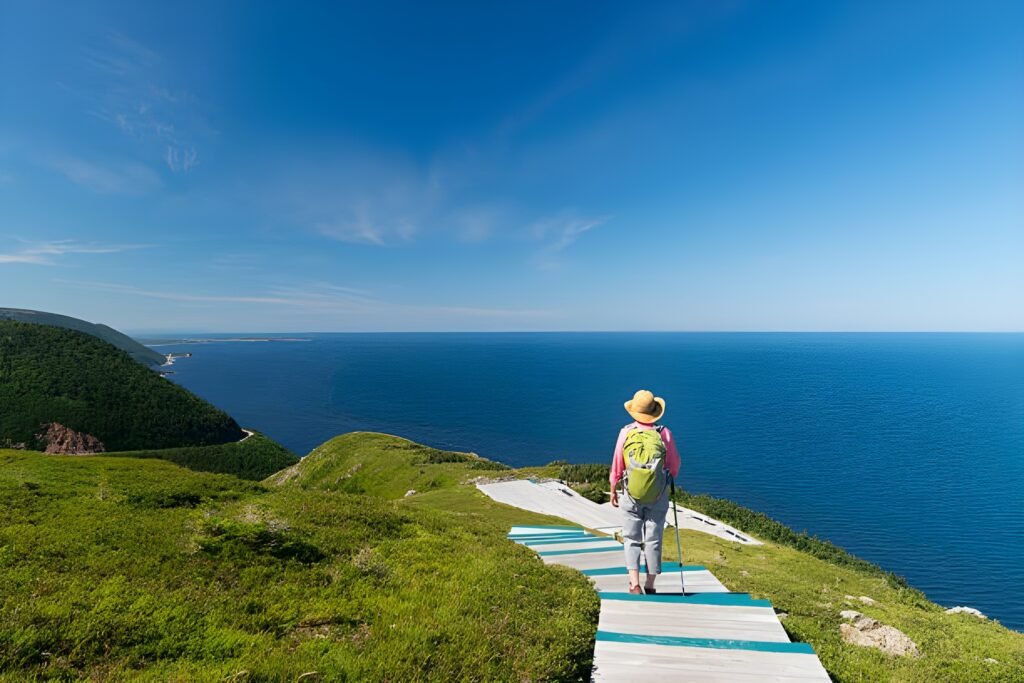
Cape Breton Highlands National Park lives up to the hype, jagged cliffs drop straight into the water, mountains covered in dense forest back everything up, and the shore alternates between sandy stretches and rocky outcrops. Tiny fishing villages dot the coast, lighthouses mark the headlands, and the whole scene feels untouched in a way that’s getting harder to find. It’s quiet but alive, raw but welcoming, the kind of place where nature runs the show and you’re just happy to watch.
The park occupies the northern chunk of Cape Breton Island in Nova Scotia, winding along the famous Cabot Trail and sitting between the Gulf of St. Lawrence and the Atlantic. It became one of Canada’s first national parks back in 1936 and covers more than 950 square kilometers.
I took the Trans-Canada Highway over to Cape Breton Island and drove the full Cabot Trail ocean views the entire way, constantly pulling over to take it in. Stayed three easy days and hiked the Skyline Trail, where I caught sunset and spotted wildlife, hung out at Ingonish Beach with its mix of sand and smooth stones, wandered through the Acadian village of Chéticamp, soaking up the local culture, and walked the Middle Head Trail past waterfalls and thick forest.
- Visitors Center Address: The Chéticamp Visitor Centre is located at 16648 Cabot Trail, Chéticamp, Nova Scotia.
- Map Location
- Best time to visit: late May to October (for mildest weather)
These things really stood out for me…
- Running into a moose on the Skyline Trail while staring out at the Gulf of St. Lawrence from this dramatic cliff-edge headland, easily one of the best views I saw anywhere in Nova Scotia.
10. The Bay of Fundy
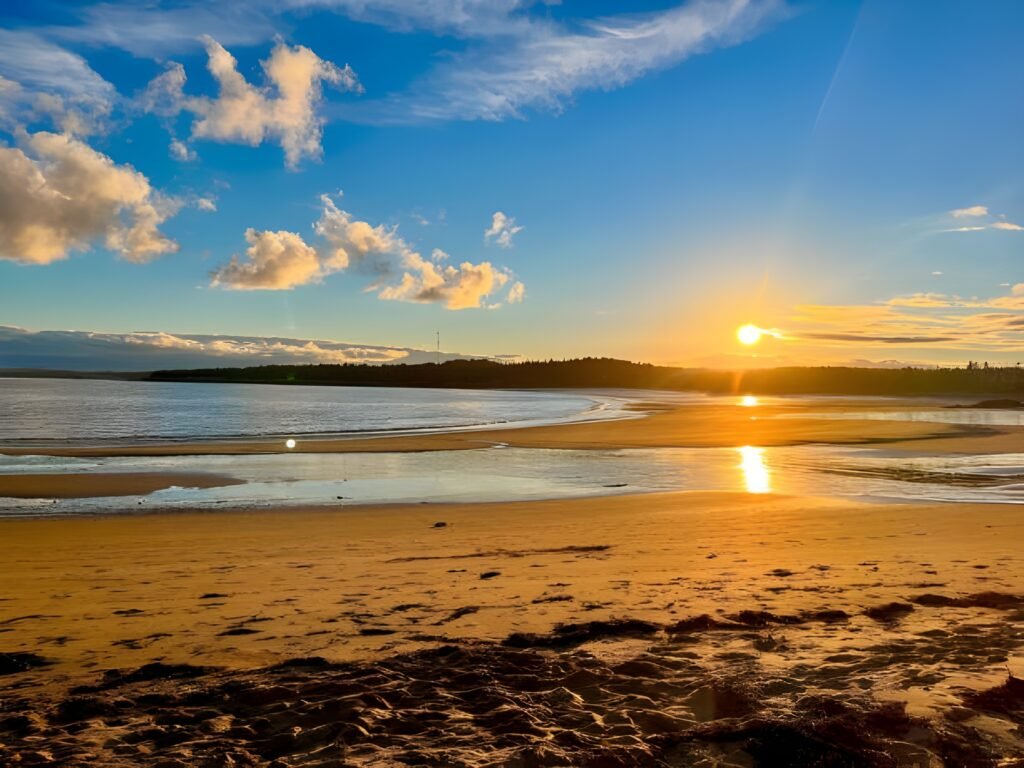
The Bay of Fundy claims the title for the planet’s most extreme tides, and that alone would make it worth visiting, but the tidal action has also carved out these wild cliffs, shaped the beaches (some sandy, some rocky), and left a coastline packed with small fishing villages, old lighthouses, and brightly painted buildings along the water. The vibe splits between calm and intense, charming but powerful, the kind of place that feels both easygoing and completely alive.
It sits between Nova Scotia and New Brunswick on Canada’s eastern edge, with deep roots in Mi’kmaq culture. Around 100,000 people live scattered through the small coastal towns that ring the bay. The nutrient-loaded water pulls in a ton of whales, which makes for solid sightings if you time it right.
I drove over from Halifax and spent three days paddling through the dramatic tides at Hopewell Rocks, walking the exposed ocean floor at Burntcoat Head Park when the water pulled back, and going out whale-watching near Digby. Also checked out Wolfville, a small town with vineyards and Acadian history worth digging into, and hiked trails in Fundy National Park, where waterfalls and coastal overlooks kept me stopping every few minutes. Met kayakers and canoers from all over who’d made the trip specifically for the tides and scenery, it’s one of those spots that draws people who know what they’re looking for.
- Location: New Brunswick and Nova Scotia.
- Map Location
- Best times to visit: Spring, Summer, and Fall
A couple of things stood out to me…
- Hopewell Rocks and those weird “flowerpot rock” formations the tides carved out, they actually do look like giant flower pots balanced on narrow bases, and seeing them up close is surreal.
- Standing on the observation deck with the glass floor panels looking straight down at the coastline while the tide rolled in and out underneath my feet, watching that much water move that fast from directly above it, hits different.
Why Trust TourGid
At TourGid, we’ve learned that short breaks often beat extended vacations not just because they fit your calendar better, but because they’re easier on your finances. Our contributors have personally visited budget-conscious destinations throughout the U.S., from overlooked state recreation areas to under-the-radar coastal towns, always tracking actual expenses and pinpointing where you can trim costs without losing what makes a trip worthwhile. The places featured here come from our own travels and input from readers who’ve mastered the two-day escape. These aren’t locations we discovered through algorithms; we’ve verified the details, checked current pricing, and included them because they consistently offer genuine experiences without the financial pressure that usually accompanies planning a getaway.