

South Korea has firmly established itself as one of Asia’s most compelling travel destinations, drawing visitors with its blend of ancient palaces, cutting-edge cities, world-class cuisine, and efficient infrastructure. For travelers building a Korea travel budget, understanding the realistic cost of a trip is essential. This complete South Korea travel cost breakdown covers everything from flights and accommodation to food, transport, and activities, across all spending levels. We talk about the South Korea Travel Cost Breakdown
Based on publicly available travel research and tourism data, South Korea is considered a mid-range destination for most international travelers, neither as budget-friendly as Southeast Asia nor as expensive as Japan or Western Europe in many categories.
Currency and Exchange Rates
South Korea’s official currency is the Korean Won (KRW). As of mid-2025, exchange rates fluctuate; travelers should check up-to-date rates via official financial sources before travel. For general reference in this guide, approximate USD equivalents are used throughout, with the understanding that actual rates may vary.
ATMs are widely available throughout South Korea, particularly in cities. Global network ATMs (such as those in convenience stores like GS25, CU, and 7-Eleven) typically accept international cards. Informing your bank before travel is advisable to prevent card blocks.
South Korea Flight Costs: What to Budget for Airfare
Flight costs represent a significant portion of any Korea travel budget and vary considerably depending on origin, season, and how far in advance tickets are purchased.
Read: Japan vs Korea Travel Cost Comparison
| Origin Region | Estimated Round-Trip Cost (USD) | Flight Duration (approx.) |
| Southeast Asia (Bangkok, KL, Manila) | $200 – $600 | 5 – 7 hours |
| South Asia (Dhaka, Delhi, Karachi) | $350 – $800 | 6 – 9 hours |
| East Asia (Tokyo, Beijing, HK) | $150 – $450 | 2 – 4 hours |
| Middle East (Dubai, Doha) | $500 – $1,100 | 8 – 10 hours |
| Europe (London, Paris, Frankfurt) | $600 – $1,400 | 11 – 13 hours |
| North America (New York, LA) | $700 – $1,500 | 12 – 16 hours |
| Australia (Sydney, Melbourne) | $500 – $1,000 | 10 – 12 hours |
All flight cost estimates are approximate ranges based on general publicly available fare data. Prices vary by season, airline, booking timing, and baggage options. Budget airlines such as Air Busan, Jeju Air, and T’way Air may offer lower fares on select routes.
Read: US Passport power: Visa-Free Countries Every US Passport Holder Should Know
South Korea Visa Costs
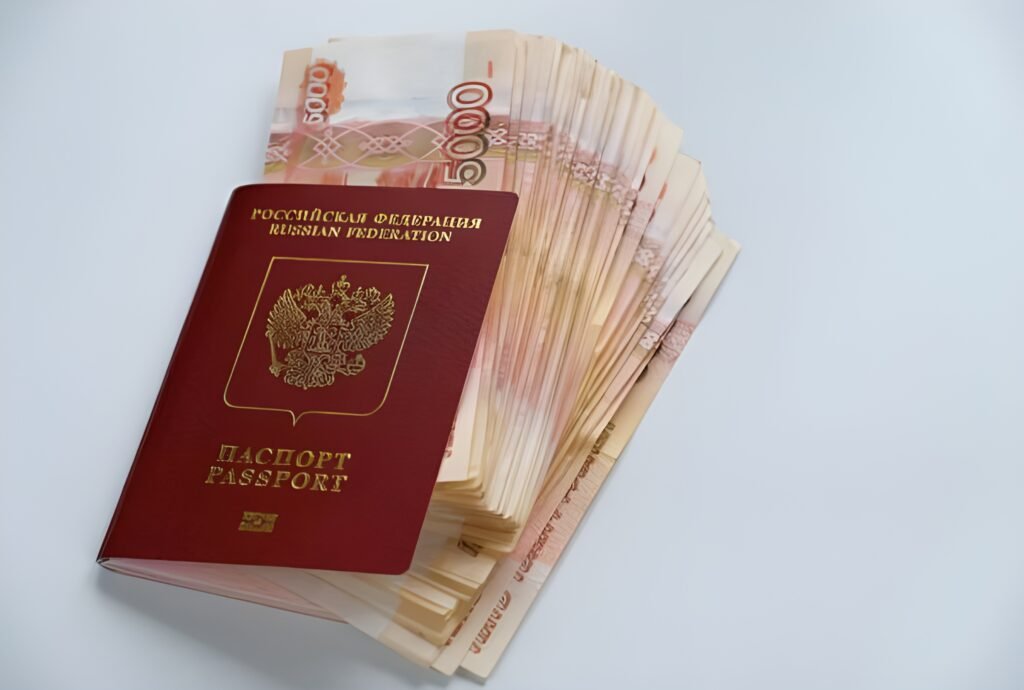
South Korea operates a visa-on-arrival or visa-free arrangement with a large number of countries. As of 2025, nationals of approximately 100+ countries can enter South Korea visa-free for short stays (generally up to 30 or 90 days, depending on nationality), under normal diplomatic arrangements.
Travelers who require a visa must apply through the nearest South Korean embassy or consulate. Standard tourist visa fees typically range from approximately $40 to $80 USD, depending on nationality and processing type, though fees may vary. K-ETA (Korea Electronic Travel Authorization) was previously required for some visa-exempt nationalities but has undergone policy changes. Travelers should verify current requirements through the official Korea Immigration Service website (immigration.go.kr) before travel.
Always confirm current visa requirements with official South Korean government sources, as policies are subject to change.
Read: 5 Days in Bali Travel Budget: Daily Budget Breakdown You Must See Before Booking!
South Korea Accommodation Costs by Type
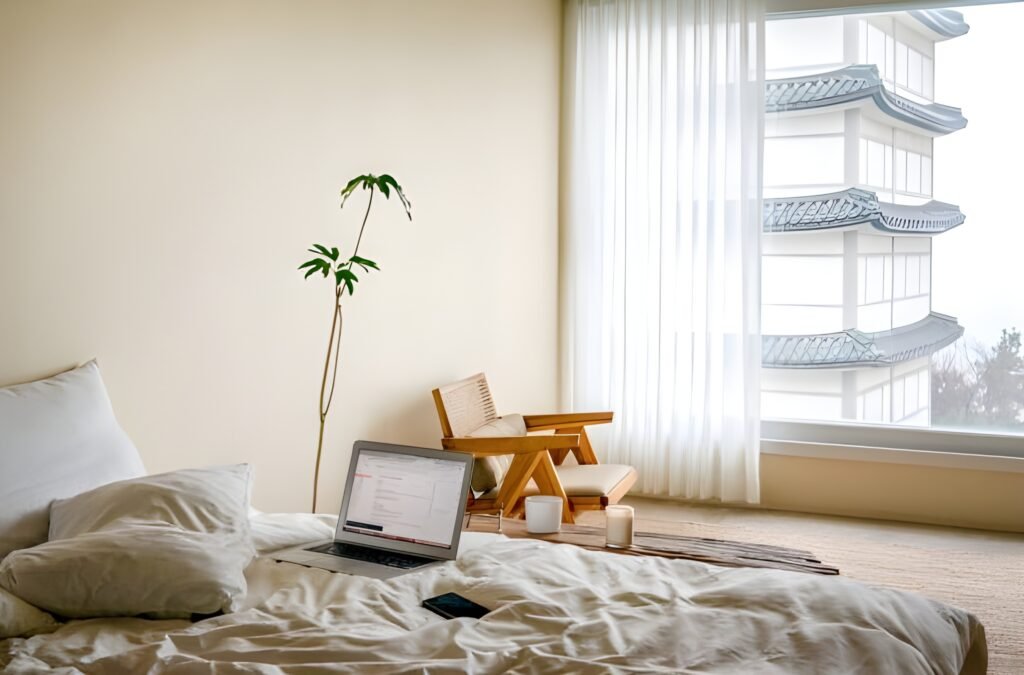
South Korea offers a wide range of accommodation options, from budget guesthouses and traditional hanok stays to international five-star hotels. The following estimates are based on per-night costs in major cities, particularly Seoul and Busan.
| Accommodation Type | Estimated Cost/Night (USD) | Best For |
| Hostel dormitory | $10 – $25 | Budget backpackers |
| Guesthouse / Yeogwan (Korean inn) | $25 – $50 | Budget to mid-range travelers |
| Hanok guesthouse (traditional) | $40 – $90 | Cultural experience seekers |
| Mid-range hotel (3-star) | $60 – $120 | Comfort travelers |
| Business / boutique hotel (4-star) | $100 – $200 | Business & leisure travelers |
| Luxury hotel (5-star) | $200 – $500+ | Premium travelers |
| Airbnb / serviced apartment | $50 – $150 | Families & longer stays |
Accommodation costs in Seoul (particularly Myeongdong, Gangnam, and Insadong areas) tend to be higher than in secondary cities like Busan, Gyeongju, or Jeonju. Booking in advance is strongly recommended during peak seasons (spring cherry blossom season in April and autumn foliage season in October–November).
Read: Dubai Travel Cost from USA (Full Budget Guide 2026)
Food and Dining Costs in South Korea
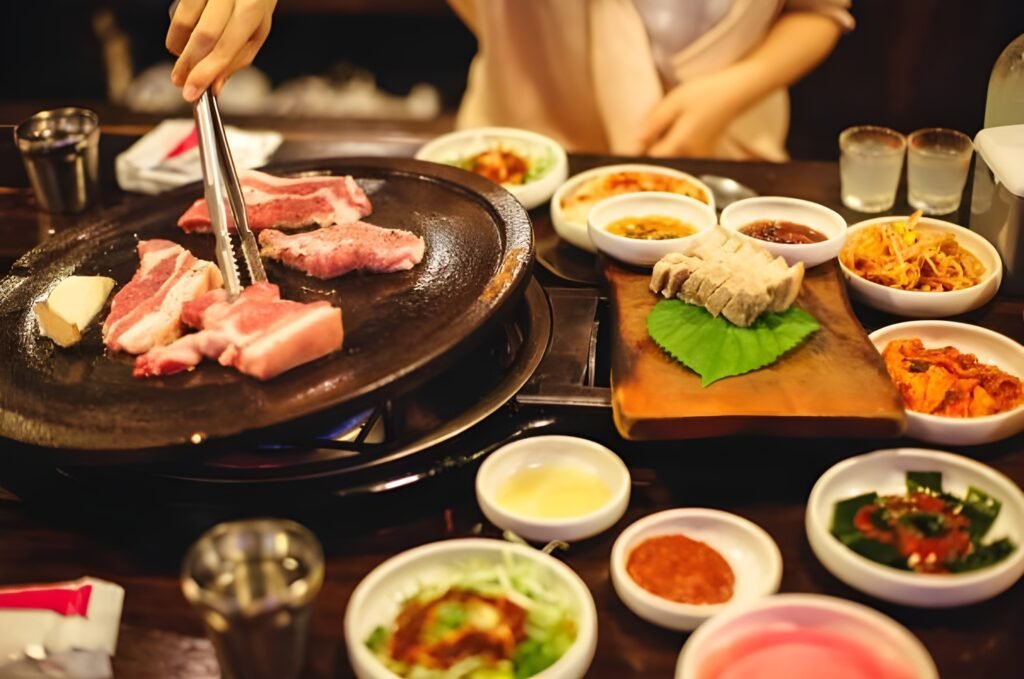
South Korea is widely recognized as one of the best-value food destinations in Asia. Street food, local restaurants (called sikdang), and convenience store meals are consistently affordable. Korean cuisine is both high-quality and accessible at budget price points.
Estimated Meal Costs
| Meal Type | Estimated Cost (USD) | Examples |
| Western/international restaurant | $1 – $4 | Tteokbokki, hotteok, kimbap, odeng |
| Convenience store meal | $2 – $6 | Triangle kimbap, ramen, bento box |
| Local restaurant (1 person) | $5 – $12 | Set menus, seafood, and modern Korean |
| Korean BBQ (per person) | $15 – $30 | Samgyeopsal, galbi, bulgogi |
| Mid-range restaurant | $12 – $25 | Set menus, seafood, modern Korean |
| Bibimbap, doenjang jjigae, and samgyetang | $15 – $35 | Pizza, burgers, Italian |
| Fine dining (per person) | $40 – $100+ | Omakase, premium Korean cuisine |
Budget travelers can comfortably eat well in South Korea on approximately $15 to $25 USD per day by combining convenience store meals, street food, and local sikdang. Mid-range travelers spending $30 to $50 per day on food can enjoy full restaurant meals, Korean BBQ, and café culture.
South Korea has a vibrant café culture, particularly in Seoul’s neighborhoods like Hongdae, Insadong, and Seongsu. Specialty coffee typically costs $4 to $7 USD per drink.
Read: Cheapest Cities in Europe 2026: Food, Hotel & Transport Breakdown Guide
Getting Around South Korea: Transport Costs
South Korea’s public transportation network is widely regarded as one of the most efficient and affordable in Asia. The T-Money card (a rechargeable transit card) is the standard payment method for subways, buses, and some taxis across the country.
Read: Best Time to Visit Japan by Season Complete Month-Wise Travel Guide (2026)
Domestic Transport Cost Estimates
| Transport Type | Route / Use | Estimated Cost (USD) |
| Seoul Metro (subway) | Per ride within Seoul | $1.00 – $1.50 |
| City bus | Per ride | $1.00 – $1.30 |
| KTX (high-speed rail) | Seoul to Busan (~2.5 hrs) | $40 – $60 one-way |
| KTX (high-speed rail) | Seoul to Gyeongju (~2 hrs) | $35 – $55 one-way |
| Mugunghwa / ITX train | Seoul to Busan (~4.5 hrs) | $20 – $35 one-way |
| Express bus | Seoul to Busan (~4.5 hrs) | $18 – $30 one-way |
| Domestic flight (budget airline) | Seoul to Jeju Island | $30 – $100 one-way |
| Taxi (metered, urban) | Short city ride (3–5 km) | $4 – $8 |
| Kakao Taxi / ride-hailing | Variable by distance | Metered, similar to taxi |
For travelers planning to use intercity trains frequently, the Korail Pass (available for foreign visitors) offers unlimited travel on Korail trains for set periods and may offer better value depending on the itinerary. Details are available through official Korail and KORAIL tourism portals.
Read: 3 Days Netherlands trip for First-Time Travelers
Activities and Attraction Entry Fees in South Korea
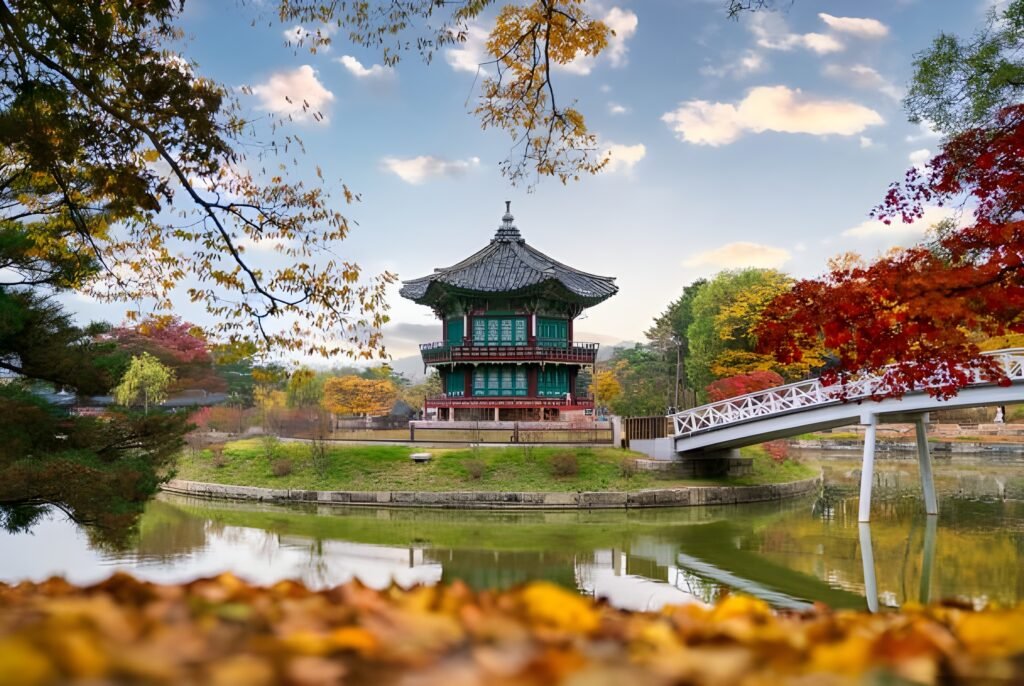
South Korea’s major attractions span royal palaces, national parks, theme parks, temples, and cultural sites. Many historic sites offer very low entry fees, while premium experiences and theme parks are priced higher.
| Attraction | Location | Approx. Entry Fee (USD) |
| Gyeongbokgung Palace | Seoul | $3 – $4 |
| Changdeokgung Palace + Secret Garden | Seoul | $5 – $8 |
| Bukchon Hanok Village | Seoul | Free (outdoor area) |
| N Seoul Tower (cable car + tower) | Seoul | $10 – $15 |
| Lotte World (theme park) | Seoul | $45 – $60 |
| Everland (theme park) | Gyeonggi Province | $50 – $65 |
| Bulguksa Temple | Gyeongju | $4 – $5 |
| Seoraksan National Park | Gangwon Province | $3 – $4 |
| Jeju Hallasan National Park | Jeju Island | Free |
| DMZ Tour (guided) | Near Seoul | $30 – $60 |
| Korean cooking class | Seoul / Busan | $40 – $80 |
| Hanbok rental (traditional dress) | Seoul / Gyeongju | $8 – $20 |
Entry fees listed are approximate and based on publicly available tourism data. Prices may vary based on season, ticket type, and whether combo packages are purchased. Always check official attraction websites for current pricing.
Read: Thailand Travel Cost Breakdown for 7 Days (2026 Guide)
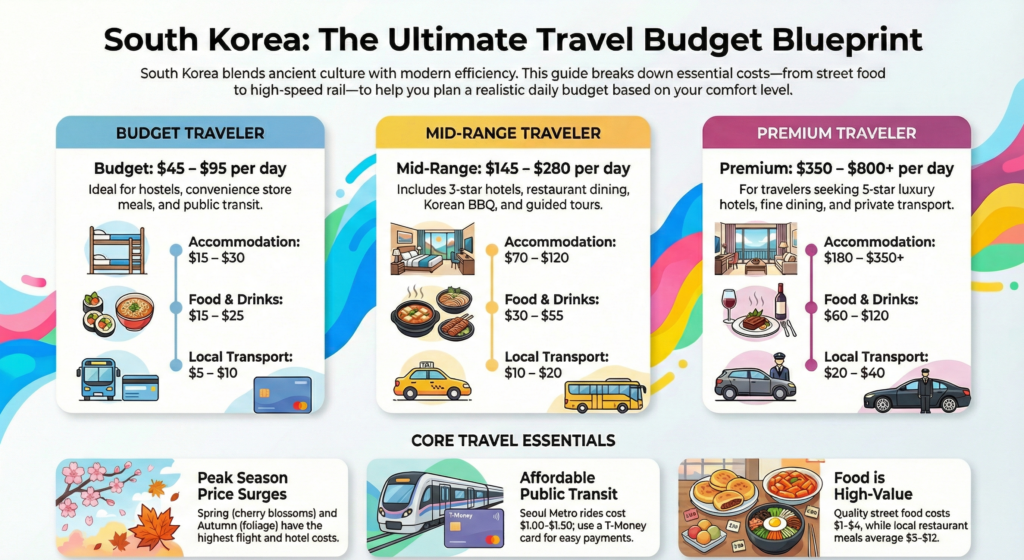
South Korea Daily Travel Budget Summary
The following table summarizes estimated daily spending per person across three traveler profiles. These figures exclude international flights and visa costs.
| Expense Category | Budget Traveler/Day | Mid-Range Traveler/Day | Premium Traveler/Day |
| Accommodation | $15 – $30 | $70 – $120 | $180 – $350+ |
| Food & drinks | $15 – $25 | $30 – $55 | $60 – $120 |
| Local transport | $5 – $10 | $10 – $20 | $20 – $40 |
| Activities & entry fees | $5 – $15 | $15 – $35 | $40 – $100 |
| Miscellaneous / shopping | $5 – $15 | $20 – $50 | $50 – $200+ |
| TOTAL ESTIMATED DAILY | $45 – $95 | $145 – $280 | $350 – $800+ |
All figures are per-person daily estimates in USD. Budget travelers sharing accommodation and cooking some meals may fall below these ranges. Shopping, particularly in areas like Myeongdong, Dongdaemun, and duty-free stores, can significantly increase daily spend for some travelers.
Best Time to Visit South Korea: Costs by Season
South Korea experiences four distinct seasons. Travel costs, particularly for flights and accommodation, fluctuate based on demand periods.
| Season | Months | Cost Level | Conditions |
| Spring (Peak) | March – May | High | Cherry blossoms, warm weather, heavy tourist demand |
| Summer | June – August | Moderate–High | Hot and humid; typhoon risk in late summer; school holiday crowds |
| Autumn (Peak) | September – November | High | Foliage season, festivals, ideal temperatures |
| Winter | December – February | Low–Moderate | Cold (snow in some regions), fewer crowds, ski resorts busy |
According to tourism trend data, spring (April–May) and autumn (October–November) are the most popular and most expensive periods to visit. Budget-conscious travelers may find better value in late January through February or in June before summer peaks.
Read: Singapore Travel Budget for Couples (Daily Cost Explained)
Money-Saving Tips for Your Korea Travel Budget
- Get a T-Money card immediately: Available at airports and convenience stores, it provides discounted fares on all public transport and eliminates the need for exact change
- Eat at local sikdang and pojangmacha: Traditional Korean restaurants and street stalls consistently offer complete meals at a fraction of café or tourist-area prices
- Visit palaces on free days: Several Seoul palaces, including Gyeongbokgun,g offer free entry on select days or for visitors wearing hanbok traditional dress
- Use KakaoTalk and Naver Maps: These apps (widely used in Korea) assist with navigation, taxi booking, restaurant recommendations, and translation
- Book accommodation in advance for peak seasons: Cherry blossom season (April) and autumn foliage (October–November). See, high-demand booking two to three months ahead is advisable
- Consider a SIM card or pocket Wi-Fi at the airport: Affordable short-term data SIMs are available at Incheon Airport arrivals. Reliable connectivity is useful for navigation and translation
- Use tax refund services: South Korea operates a tourist tax refund system on eligible purchases above a minimum threshold. Look for ‘Tax Free’ signs at participating stores and claim refunds at departure airports
- Intercity buses are often cheaper than KTX: For non-time-sensitive journeys, express buses offer significant savings over high-speed rail on routes like Seoul–Busan
Frequently Asked Questions: South Korea Travel Costs
Q1: Is South Korea expensive to travel?
South Korea is generally considered a mid-range destination. Budget travelers can manage comfortably on approximately $50 to $90 USD per day (excluding flights), while mid-range travelers typically spend $150 to $280 per day. The country offers exceptional value in food and public transport, though accommodation in central Seoul can add significantly to costs.
Q2: How much spending money do I need for one week in South Korea?
Based on general travel estimates, a one-week trip to South Korea (excluding international flights) typically costs approximately $350 to $650 USD for budget travelers, $1,000 to $2,000 for mid-range travelers, and $2,500 or more for premium travelers. Shopping budgets can significantly increase total spend.
Q3: Is Seoul more expensive than Busan?
Generally, yes. Seoul’s particularly central districts like Gangnam, Myeongdong, and Insadong tend to have higher accommodation and dining costs than Busan. Busan is South Korea’s second-largest city and offers a strong range of experiences at somewhat lower average prices, making it a good option for budget-conscious travelers.
Q4: Can I use credit cards in South Korea?
Credit and debit cards are widely accepted in South Korea, particularly in cities, restaurants, hotels, and shops. However, some traditional markets, small restaurants, and rural areas may be cash-preferred. Carrying some Korean Won in cash is advisable. Global network ATMs in convenience stores (GS25, CU, 7-Eleven) reliably accept international cards.
Q5: How much does it cost to eat well in South Korea per day?
Budget travelers eating at local restaurants and convenience stores can expect to spend approximately $15 to $25 USD per day on food. Mid-range travelers enjoying full restaurant meals, café visits, and occasional Korean BBQ typically budget $30 to $55 per day. South Korea is widely regarded as excellent value for food quality at all price points.
Q6: Is tipping expected in South Korea?
Tipping is generally not customary or expected in South Korea. In most restaurants, cafés, taxis, and hotels, service is included and leaving a tip may even cause confusion. This cultural difference represents a meaningful cost saving compared to destinations where tipping is standard practice.
Q7: What is the cheapest way to travel around South Korea?
The most affordable way to travel between cities is by express bus, which is generally cheaper than KTX high-speed rail. Within cities, the metro and bus network accessed via the T-Money card is highly cost-effective. For Jeju Island, budget airlines such as Jeju Air and T’way Air frequently offer promotional fares that can be very competitive.
Q8: Do I need travel insurance for South Korea?
Travel insurance is not a legal requirement for most visitors to South Korea, but it is strongly recommended. Medical care in South Korea is of high quality but can be costly for uninsured international travelers. Travel insurance covering medical expenses, trip cancellation, and lost baggage is advisable for all international travel.
Summary: Planning Your South Korea Travel Budget
South Korea offers an outstanding combination of value, quality, and travel infrastructure that suits a wide range of budgets. Its public transport is affordable and efficient, its food culture is both excellent and economical, and its cultural and natural attractions are richly varied.
For most international travelers, the highest variable costs are international airfare and accommodation choices. By planning in advance, particularly for peak spring and autumn seasons and making use of South Korea’s extensive budget-friendly dining and transport options, a memorable trip is achievable at a wide range of spending levels.
Careful pre-trip planning, verification of current visa requirements, and a realistic daily budget based on your travel style will lay the foundation for a smooth and rewarding South Korea experience.
Disclaimer: This guide is based on publicly available tourism data, official travel resources, and general cost estimates. Prices, visa rules, and travel conditions may vary depending on season, nationality, and traveler profile. Always verify details with official sources before booking.
Why Trust TourGid
At TourGid, we’ve learned that short breaks often beat extended vacations not just because they fit your calendar better, but because they’re easier on your finances. Our contributors have personally visited budget-conscious destinations throughout the U.S., from overlooked state recreation areas to under-the-radar coastal towns, always tracking actual expenses and pinpointing where you can trim costs without losing what makes a trip worthwhile. The places featured here come from our own travels and input from readers who’ve mastered the two-day escape. These aren’t locations we discovered through algorithms; we’ve verified the details, checked current pricing, and included them because they consistently offer genuine experiences without the financial pressure that usually accompanies planning a getaway.