

Planning a 7-day Thailand trip requires understanding the realistic costs you’ll encounter. Thailand remains one of Southeast Asia’s most affordable destinations, but travel expenses vary significantly based on your travel style. This comprehensive guide breaks down the actual Thailand Travel cost for a week-long adventure, including accommodation, food, transportation, activities, and new 2026 fees.
Daily Budget Overview by Travel Style
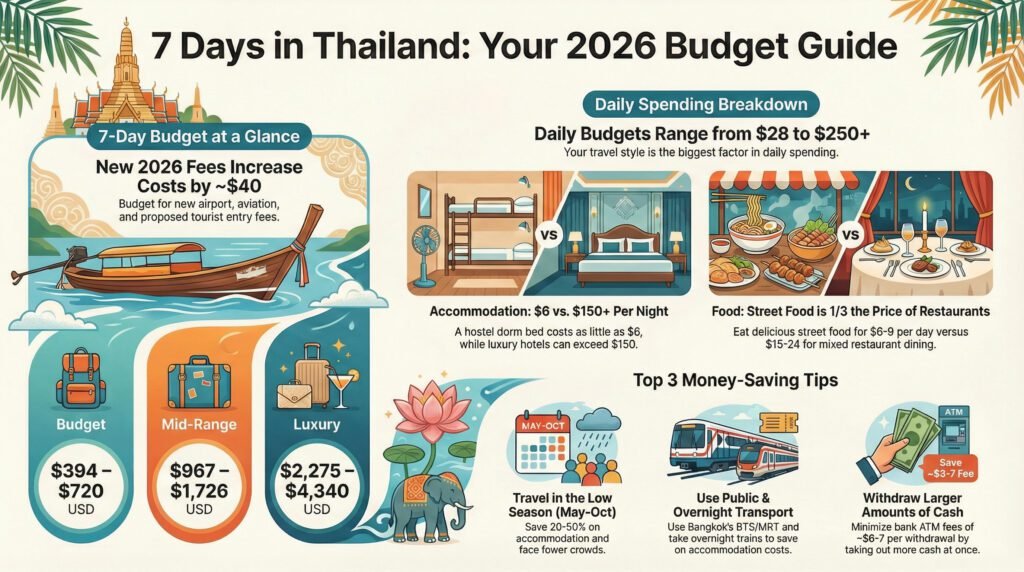
Thailand accommodates every budget level, from backpackers to luxury travelers. According to publicly available tourism data, here’s what you can expect to spend per day: Budget Travelers: 1,000–1,500 THB per day (approximately $28–42 USD). Mid-Range Travelers: 2,500–4,000 THB per day (approximately $70–110 USD). Luxury Travelers: 9,000+ THB per day (approximately $250+ USD). For a 7-day Thailand trip, multiply these daily rates by seven and add flight costs plus one-time expenses like visa fees and airport transfers.
New 2026 Travel Fees to Consider
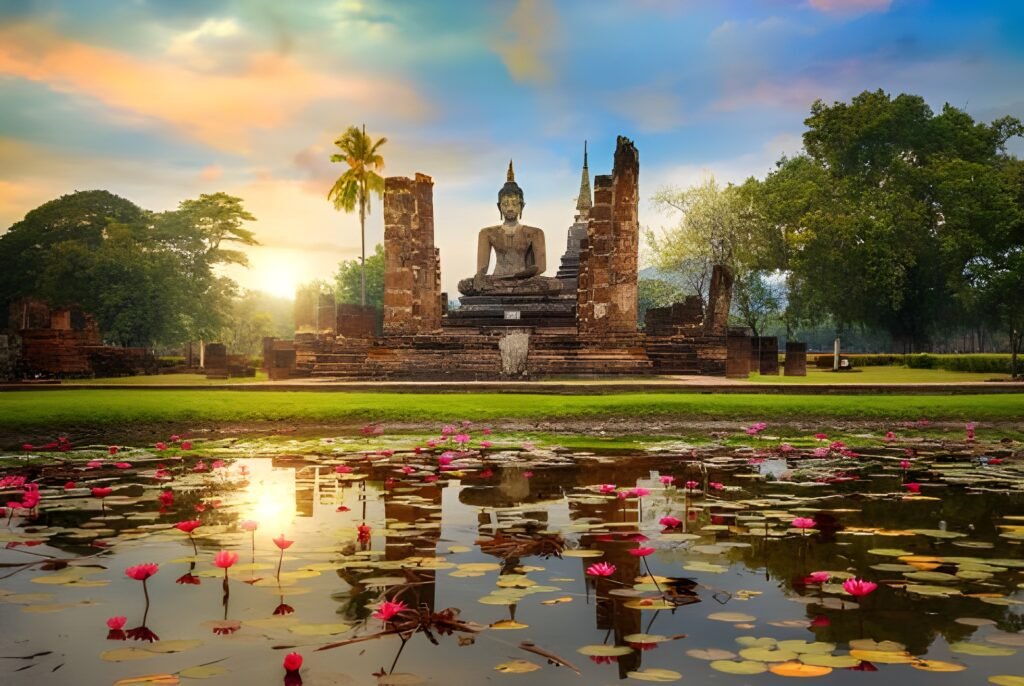
Thailand has introduced several new fees effective in 2026 that will impact your overall travel budget:
- Airport Passenger Service Charge (PSC): International departures now cost 1,120 THB (approximately $32 USD), an increase of about 53% from previous rates.
- Civil Aviation Passenger Fee: Increased from 15 THB to 25 THB (approximately $0.70 USD) per person, effective February 1, 2026.
- Proposed Tourist Entry Fee: A 300 THB (approximately $8.50 USD) entry fee is expected to be implemented in 2026, covering basic travel insurance and tourism infrastructure maintenance.
These fees are typically included in airline tickets or collected upon arrival, but budgeting for them ensures no surprises.
Read: Best Places to Visit in Uganda for Wildlife and Adventure Lovers
Accommodation Costs: Where You’ll Sleep
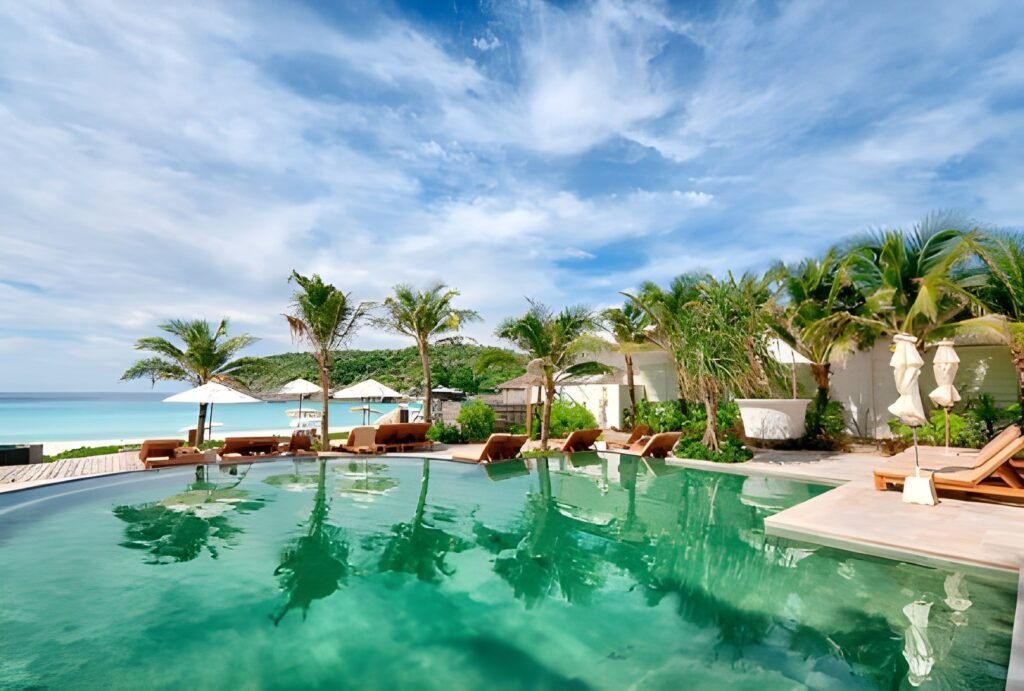
Thailand offers diverse accommodation options across all major destinations. Prices vary by location and season.
Bangkok Accommodation
- Budget Hostels: 200–400 THB per night ($6–12 USD) for dormitory beds
- Budget Hotels/Guesthouses: 400–800 THB per night ($12–24 USD) for private rooms
- Mid-Range Hotels: 1,000–2,000 THB per night ($30–60 USD)
- Luxury Hotels: 5,000+ THB per night ($150+ USD)
Chiang Mai Accommodation
- Budget Options: 300–600 THB per night ($9–18 USD)
- Mid-Range Hotels: 800–1,500 THB per night ($24–45 USD)
- Boutique Hotels: 1,000–2,500 THB per night ($30–75 USD)
Phuket and Island Accommodation
Beach destinations typically cost more, especially during peak season (November–April):
- Budget Guesthouses: 500–900 THB per night ($15–27 USD)
- Mid-Range Hotels: 1,500–3,500 THB per night ($45–105 USD)
- Beach Resorts: 3,000–10,000+ THB per night ($90–300+ USD)
7-Day Accommodation Total:
- Budget: $42–126 (6 nights)
- Mid-Range: $180–420 (6 nights)
- Luxury: $900+ (6 nights)
Booking platforms like Agoda or Booking.com frequently offer discounts of 10–20% during the low season (May–October).
Read: Top Attractions Places in Yemen You’ve Probably Never Seen.
Food Expenses: Eating Your Way Through Thailand
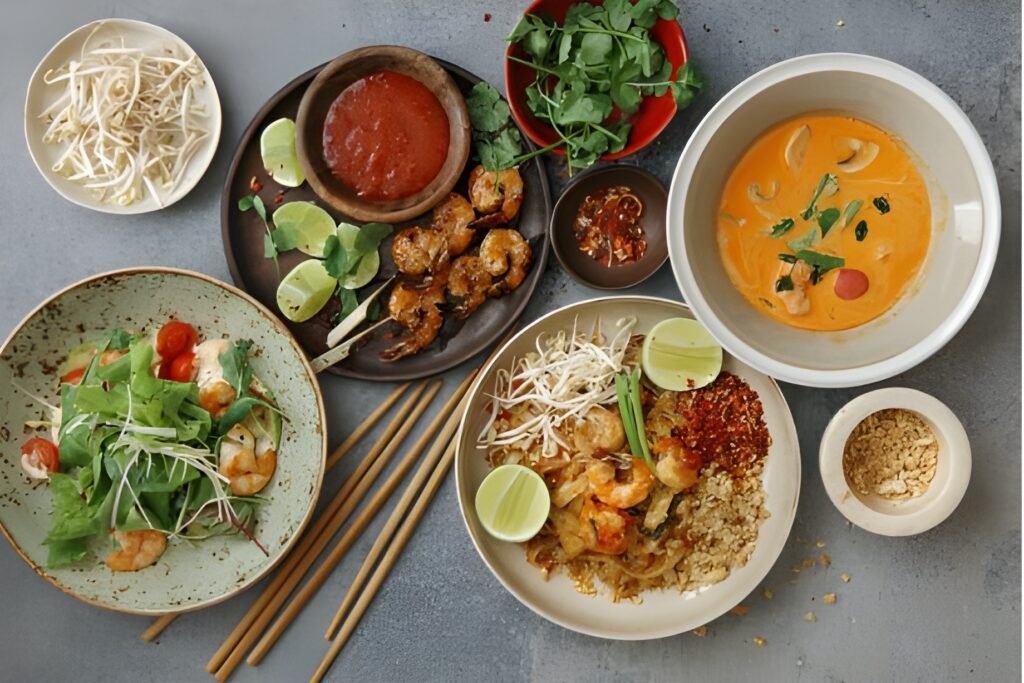
Thailand’s food scene is legendary for both quality and affordability. Your daily food budget depends heavily on where and what you eat.
Street Food (Budget-Friendly Option)
Street food remains Thailand’s best culinary value:
- Pad Thai or Fried Rice: 40–80 THB ($1.20–2.40 USD)
- Som Tum (Papaya Salad): 40–70 THB ($1.20–2.10 USD)
- Noodle Soups: 50–80 THB ($1.50–2.40 USD)
- Grilled Meat Skewers: 10–15 THB each ($0.30–0.45 USD)
- Mango Sticky Rice: 50–80 THB ($1.50–2.40 USD)
- Fresh Fruit Smoothies: 40–60 THB ($1.20–1.80 USD)
Eating exclusively street food costs approximately 200–300 THB per day ($6–9 USD).
Local Restaurants and Food Courts
Mid-range dining at local restaurants and mall food courts:
- Meal at Local Restaurant: 150–300 THB ($4.50–9 USD)
- Food Court Meals: 60–120 THB ($1.80–3.60 USD)
- Seafood Restaurants: 400–700 THB per person ($12–21 USD)
Daily food budget for mixed dining: 500–800 THB ($15–24 USD)
Western and Upscale Restaurants
Higher-end dining options:
- International Restaurants: 300–600 THB per meal ($9–18 USD)
- Fine Dining: 1,000–2,000+ THB per person ($30–60+ USD)
- Rooftop Bars and Restaurants: 800–1,500+ THB ($24–45+ USD)
7-Day Food Total:
- Budget (mostly street food): $42–63
- Mid-Range (mixed local/restaurant): $105–168
- Upscale: $210–420+
Beverage Costs
- Bottled Water (small): 7–10 THB ($0.20–0.30 USD)
- Local Beer (Chang, Leo, Singha): 60–90 THB at stores, 100–150 THB at restaurants ($1.80–4.50 USD)
- Coffee at Local Café: 50–100 THB ($1.50–3 USD)
- Fresh Coconut: 30–50 THB ($0.90–1.50 USD)
Read: The Best Places to Visit in Brazil for an Unforgettable Trip
Transportation Costs: Getting Around Thailand
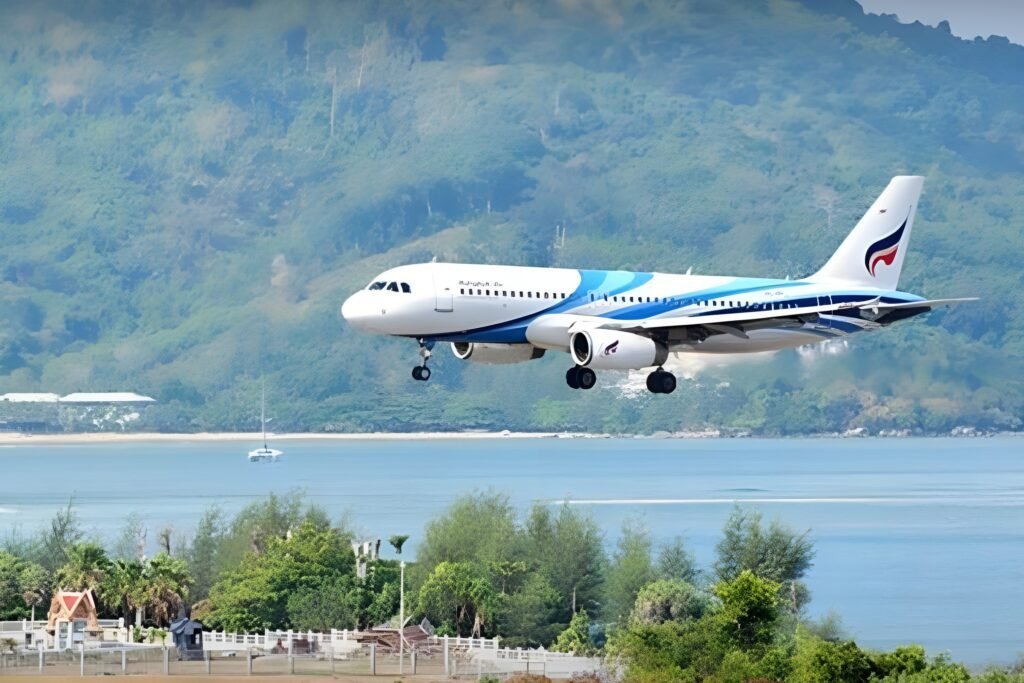
Thailand offers affordable and diverse transportation options for intercity and local travel.
Domestic Flights
Budget airlines make intercity travel quick and economical:
- Bangkok to Chiang Mai: 900–1,200 THB one-way ($27–36 USD)
- Bangkok to Phuket: 860–1,500 THB one-way ($26–45 USD)
- Bangkok to Koh Samui: 2,130–3,000 THB one-way ($64–90 USD)
- Chiang Mai to Phuket: 2,200–3,000 THB one-way ($66–90 USD)
Booking 3–4 months in advance typically yields the best fares, with budget carriers like AirAsia, Nok Air, and Thai Lion Air offering frequent promotions.
Trains
Thailand’s rail network covers approximately 4,500 kilometers and offers scenic, budget-friendly travel:
- 3rd Class (Bangkok to Chiang Mai): 250–350 THB ($7.50–10.50 USD), 12+ hours
- 2nd Class Air-Conditioned: 500–750 THB ($15–22.50 USD)
- 1st Class Sleeper (night trains): 1,000–1,500 THB ($30–45 USD)
- Bangkok to Ayutthaya (3rd class): 20 THB ($0.60 USD)
Trains are slower but provide authentic experiences and save accommodation costs on overnight journeys.
Buses and Minivans
Buses cover destinations not serviced by trains:
- Bangkok to Chiang Mai (sleeper bus): 600–900 THB ($18–27 USD), 10–12 hours
- Bangkok to Phuket: 800–1,200 THB ($24–36 USD), 12–14 hours
- Minivans (short routes): 150–500 THB ($4.50–15 USD)
Read: Breathtaking Places to Explore in Costa Rica for Nature Lovers
Local Transportation (Within Cities)
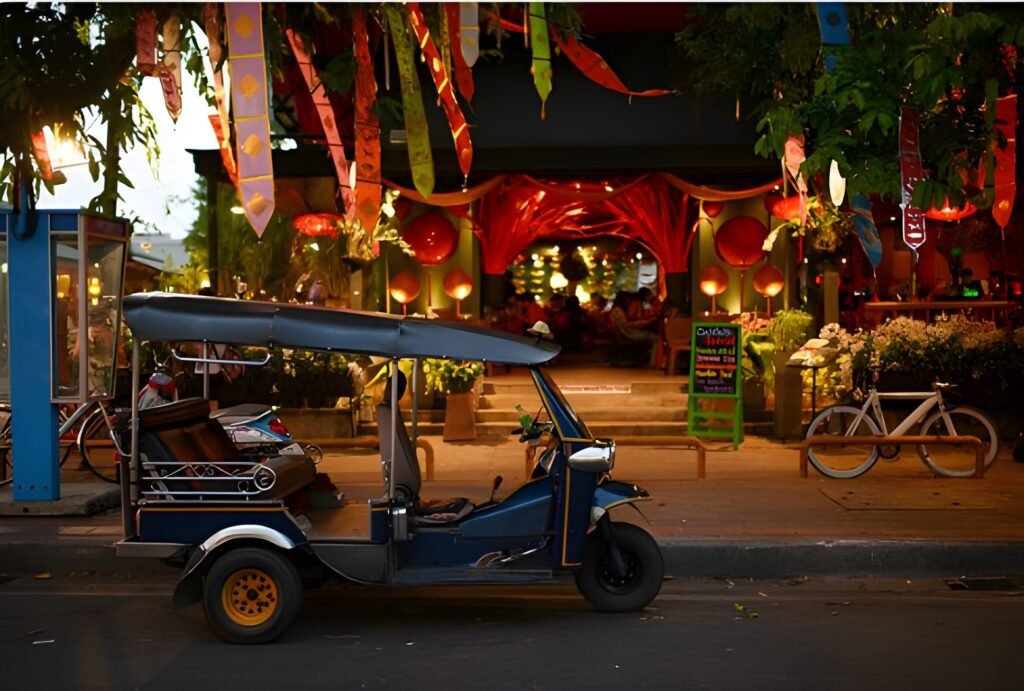
Bangkok:
- BTS Skytrain/MRT: 16–59 THB per ride ($0.50–1.80 USD)
- Public Buses: 10–40 THB ($0.30–1.20 USD)
- Metered Taxi: Starting fare 35 THB, then approximately 10 THB per kilometer ($1–5 USD for short rides)
- Grab (ride-hailing): 20–30% higher than metered taxis
- Tuk-Tuks: 100–200 THB for short rides (negotiate before boarding)
Chiang Mai:
- Songthaews (shared trucks): 20–40 THB ($0.60–1.20 USD)
- Tuk-Tuks: 60–150 THB for short distances ($1.80–4.50 USD)
- Motorbike Rental: 150–250 THB per day ($4.50–7.50 USD)
Phuket:
- Tuk-Tuks: 200–400 THB per ride ($6–12 USD)
- Motorbike Rental: 200–400 THB per day ($6–12 USD)
- Car Rental: 800–1,200 THB per day ($24–36 USD)
7-Day Transportation Total (including one domestic flight):
- Budget: $50–100
- Mid-Range: $100–200
- Comfort: $200–400+
Ferry Transportation
For island destinations:
- Phuket to Koh Phi Phi: 500–800 THB ($15–24 USD)
- Bangkok to Koh Tao (train + ferry): 800–1,200 THB ($24–36 USD)
Read: The 10 Best Places to Visit in Dominica for an Unforgettable Trip.
Activities and Attractions: What to See and Do
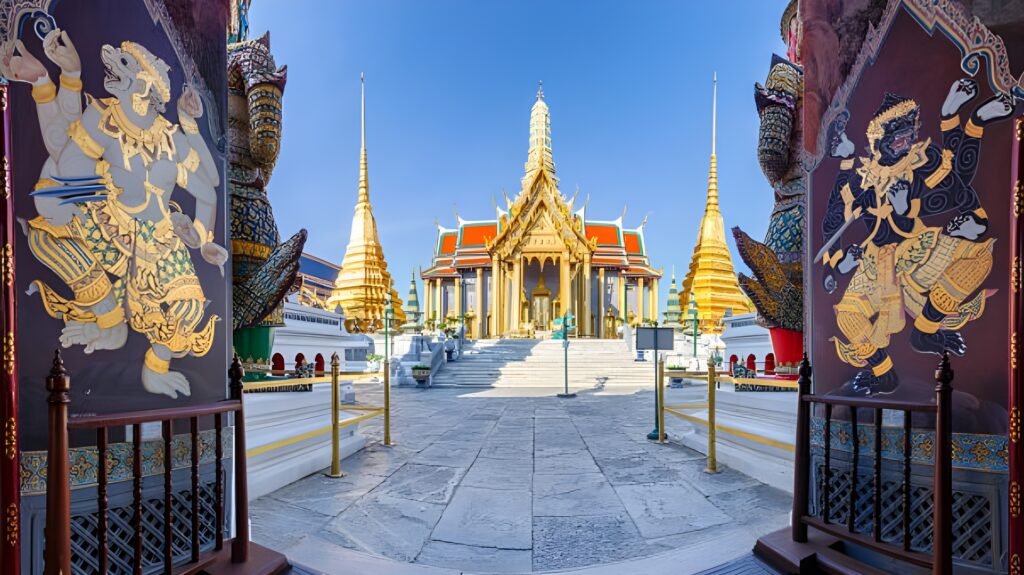
Thailand offers diverse experiences from free attractions to premium tours.
Temple Entrance Fees: Many temples have modest entrance fees, while some are free
- Grand Palace and Wat Phra Kaew (Bangkok): 500 THB ($15 USD)
- Wat Pho (Reclining Buddha, Bangkok): 100–300 THB ($3–9 USD)
- Wat Arun (Temple of Dawn, Bangkok): 200 THB ($6 USD)
- Wat Suthat (Bangkok): 100 THB ($3 USD)
- White Temple (Chiang Rai): 100 THB in 2025, increasing to 200 THB in 2026 ($3–6 USD)
- Wat Phra That Doi Suthep (Chiang Mai): 50 THB ($1.50 USD)
- Many smaller temples: Free or 20–50 THB donation
Tours and Experiences
- Full-Day Island Hopping Tour: 1,000–2,500 THB ($30–75 USD)
- Ethical Elephant Sanctuary Visit: 2,000–3,500 THB ($60–105 USD)
- Cooking Class: 1,000–2,500 THB ($30–75 USD)
- Scuba Diving (Koh Tao): 2,500–4,000 THB ($75–120 USD)
- Ayutthaya Day Tour from Bangkok: 1,100–1,500 THB ($33–45 USD)
- Thai Massage (1 hour): 300–500 THB ($9–15 USD)
- Muay Thai Show: 800–1,650 THB ($24–50 USD)
Free or Low-Cost Activities
- Public Beaches: Free
- Night Markets: Free to browse, food typically 40–100 THB
- Public Parks and Gardens: Free or 20–50 THB
- Temple Grounds (many): Free
- Walking Street Markets: Free
7-Day Activities Budget:
- Budget: $50–100 (temple visits, markets, a few paid activities)
- Mid-Range: $150–300 (several tours and experiences)
- Active/Luxury: $400–800+ (multiple premium experiences)
Read: Top 10 Surprising Places in Somalia You Should Visit
Additional Costs to Consider
Travel Insurance
Essential for any international trip: $40–80 for one week of coverage
SIM Cards and Connectivity
- Tourist eSIM: 299–599 THB for 7–15 days with data ($9–18 USD)
- Local SIM Card at Airport: 200–500 THB ($6–15 USD)
Digital eSIM purchases are now available at major Thai airports in 2026.
Visa Requirements
Visa requirements depend on nationality. Many countries receive visa exemptions for stays of up to 30 days. If required:
- Tourist Visa: Approximately 1,000–2,000 THB ($30–60 USD) depending on nationality
ATM Fees: Thai banks charge approximately 220 THB ($6–7 USD) per withdrawal. Minimize withdrawals by taking larger amounts when needed.
Read: Top Places to Visit in Hong Kong in 2026 for an Unforgettable Trip.
Tips and Miscellaneous
- Tipping: Not mandatory but appreciated; 20–50 THB for good service
- Laundry: 30–50 THB per kilogram ($0.90–1.50 USD)
- Emergency Buffer: Keep 2,000–3,000 THB ($60–90 USD) for unexpected expenses
7-Day Thailand Budget Breakdown Tables
Budget Traveler (7 Days)
| Expense Category | Cost (USD) |
|---|---|
| Round-trip Flight (from Asia/nearby) | $200–400 |
| Accommodation (6 nights, hostels) | $42–72 |
| Food (street food, local eats) | $42–63 |
| Transportation (buses, local transport) | $50–80 |
| Activities (temples, free attractions) | $30–60 |
| SIM Card | $10–15 |
| Miscellaneous | $20–30 |
| Total | $394–720 |
Excludes international flights from distant regions
Mid-Range Traveler (7 Days)
| Expense Category | Cost (USD) |
|---|---|
| Round-trip Flight (from Asia/nearby) | $300–600 |
| Accommodation (6 nights, 3-star hotels) | $180–360 |
| Food (mix of street food & restaurants) | $105–168 |
| Transportation (1 flight, trains, Grab) | $120–180 |
| Activities (tours, temples, experiences) | $150–250 |
| Travel Insurance | $50–80 |
| SIM Card/eSIM | $12–18 |
| Miscellaneous | $50–70 |
| Total | $967–1,726 |
Excludes international flights from distant regions
Comfortable/Luxury Traveler (7 Days)
| Expense Category | Cost (USD) |
|---|---|
| Round-trip Flight (from Asia/nearby) | $600–1,000 |
| Accommodation (6 nights, 4-5 star) | $540–1,200 |
| Food (restaurants, fine dining) | $210–420 |
| Transportation (flights, private transfers) | $250–400 |
| Activities (premium tours, spa) | $400–800 |
| Travel Insurance | $60–100 |
| SIM Card/eSIM | $15–20 |
| Shopping & Extras | $200–400 |
| Total | $2,275–4,340 |
Excludes international flights from distant regions
Read: 10 Best Places to Visit in Hungary for Your First Trip
Regional Cost Variations
Travel costs differ significantly across Thailand’s regions:
- Bangkok: Most diverse pricing. Budget options are readily available, but high-end experiences are costlier. Transportation is cheapest due to public transit.
- Chiang Mai: Generally, the most budget-friendly major destination. Lower accommodation and food costs, excellent value for mid-range travelers.
- Phuket and Islands: Higher costs, especially during peak season. Beach resorts and island activities increase budgets by 20–50% compared to mainland cities.
- Krabi: Slightly more expensive than the mainland, but it offers good mid-range value. Beautiful beaches and natural attractions.
- Less-Visited Areas: Places like Koh Lanta, Koh Chang, Pai, and Kanchanaburi offer 20–40% savings compared to tourist hotspots while providing authentic experiences.
Read: Top 11 Iconic and Beautiful Places to Visit in Italy
Seasonal Pricing: When to Visit
Thailand has three distinct seasons affecting travel costs:
High Season (November–February)
- Weather: Cool and dry, ideal for beach and outdoor activities
- Pricing: Highest accommodation rates, 30–50% above low season
- Crowds: Most tourists, advance booking essential
- Best For: First-time visitors, beach lovers, optimal weather
Low/Rainy Season (May–October)
- Weather: Brief afternoon showers, still plenty of sunshine
- Pricing: Hotel discounts of 20–50%, fewer tourists
- Advantages: Authentic local experience, lush green landscapes
- Best For: Budget travelers, culture-focused trips
Shoulder Season (March–April, October)
- Weather: Hot but manageable, transitional periods
- Pricing: Moderate rates, better than peak but higher than low
- Advantages: Balance of good weather and reasonable prices
- Best For: Flexible travelers seeking value
Money-Saving Tips for Thailand Travel
Based on publicly available travel advice, these strategies help reduce your Thailand trip cost:
- Travel During Low Season: Save 20–50% on accommodation and enjoy fewer crowds
- Eat Street Food: Delicious, safe, and costs one-third of restaurant prices
- Use Public Transportation: Bangkok’s BTS/MRT and local buses cost significantly less than taxis
- Book Accommodation in Advance: Early booking often yields 10–20% discounts
- Take Overnight Buses or Trains: Save one night’s accommodation cost while traveling
- Withdraw Larger Cash Amounts: Minimize ATM fees by making fewer, larger withdrawals
- Choose Less-Touristy Destinations: Explore places like Koh Lanta or Pai instead of Phuket or Koh Samui
- Negotiate Politely: Bargain at markets and with tuk-tuk drivers (smile and be respectful)
- Skip Imported Alcohol: Local beers (Chang, Singha, Leo) cost half the price of imports
- Book Tours Directly: Sometimes local operators offer better rates than online platforms
- Use Refillable Water Bottles: Refill stations cost 2–5 THB versus buying new bottles
- Stay in Hostels with Free Breakfast: Saves 50–100 THB daily
Sample 7-Day Thailand Itinerary with Costs
Budget Itinerary ($400–600 total excluding international flights)
Days 1-3: Bangkok
- Hostel dormitory: $8/night × 2 = $16
- Street food: $7/day × 3 = $21
- BTS/MRT transport: $3/day × 3 = $9
- Grand Palace: $15
- Wat Pho: $3
- Wat Arun: $6
- Night markets: Free
- Subtotal: $70
Days 4-5: Chiang Mai
- Bus Bangkok to Chiang Mai: $25
- Hostel: $7/night × 2 = $14
- Street food: $7/day × 2 = $14
- Songthaew transport: $3/day × 2 = $6
- Doi Suthep temple: $1.50
- Night Bazaar: Free
- Subtotal: $60.50
Days 6-7: Return to Bangkok
- Train Chiang Mai to Bangkok: $10
- Hostel: $8/night × 1 = $8
- Street food: $7/day × 2 = $14
- Local transport: $5
- Chatuchak Weekend Market: Free
- Subtotal: $37
7-Day Budget Total: Approximately $167.50 in-country costs + SIM card ($12) + buffer = $200–250 Plus flights: $300–500 = Total $500–750
Read: 10 + Incredible Places to Visit in Japan Locals Actually Love.
Mid-Range Itinerary ($1,000–1,500 total excluding international flights)
Days 1-2: Bangkok
- 3-star hotel: $50/night × 2 = $100
- Mixed dining: $25/day × 2 = $50
- Grab/BTS: $10/day × 2 = $20
- Grand Palace: $15
- Wat Pho: $3
- Wat Arun: $6
- Chao Phraya River dinner cruise: $30
- Subtotal: $224
Days 3-4: Chiang Mai
- Flight Bangkok to Chiang Mai: $35
- Boutique hotel: $40/night × 2 = $80
- Restaurants & cafes: $25/day × 2 = $50
- Grab/songthaew: $8/day × 2 = $16
- Cooking class: $35
- Temples: $10
- Subtotal: $226
Days 5-7: Phuket/Krabi
- Flight Chiang Mai to Phuket: $70
- Beach resort: $70/night × 2 = $140
- Seafood restaurants: $30/day × 2 = $60
- Motorbike rental: $6/day × 2 = $12
- Island hopping tour: $50
- Thai massage: $12
- Subtotal: $344
7-Day Mid-Range Total: Approximately $794 + insurance ($60) + SIM ($15) + buffer = $900–1,000 Plus flights: $400–700 = Total $1,300–1,700
Read: 12 Best Places to Visit in Mexico for an Unforgettable Trip
Frequently Asked Questions (FAQs)
How much money do I need for 7 days in Thailand?
Budget travelers can manage with $400–700 total (excluding long-haul international flights), mid-range travelers typically spend $1,000–1,700, and luxury travelers may spend $2,500–4,500 or more. Actual costs depend on destinations visited, accommodation choices, dining preferences, and activities selected.
Is Thailand cheap for tourists in 2026?
Yes, Thailand remains one of the world’s most affordable travel destinations in 2026. While prices have increased 5–8% since 2024 due to inflation and new airport fees, Thailand still offers excellent value compared to Western countries and many Asian destinations like Singapore, Japan, or South Korea.
What is the cheapest way to travel in Thailand?
The most economical approach combines street food dining (200–300 THB daily), hostel accommodation (200–400 THB nightly), public transportation or buses for intercity travel, and free or low-cost activities like temple visits, beaches, and night markets. Traveling during the low season (May–October) reduces costs by 20–50%.
How much cash should I bring to Thailand for 7 days?
Bring approximately $100–200 in cash for immediate needs (airport taxi, initial meals), then withdraw Thai Baht from ATMs as needed. Budget travelers might need 10,000–15,000 THB ($300–450) total, mid-range travelers 25,000–40,000 THB ($750–1,200), depending on spending habits. Credit cards are widely accepted in cities but less so in rural areas.
Are credit cards widely accepted in Thailand?
Major hotels, shopping malls, restaurants, and tour operators in cities accept credit cards. However, street food vendors, local markets, small guesthouses, and rural areas operate primarily on cash. Always carry sufficient Thai Baht for daily expenses.
What new fees should I expect in Thailand in 2026?
Travelers should budget for the increased Passenger Service Charge (1,120 THB/$32 for international departures), the aviation passenger fee (25 THB/$0.70), and potentially a 300 THB ($8.50) tourist entry fee. These fees are typically included in airline tickets or collected at airports.
Is street food safe to eat in Thailand?
Yes, when choosing vendors carefully. Select busy stalls with high customer turnover (indicating fresh food), observe cleanliness practices, and prefer cooked-to-order items. Thai street food is a fundamental part of local culture and generally safe. Millions of tourists eat street food daily without issues.
What is the best time to visit Thailand on a budget?
The low season from May to October offers the best deals, with accommodation discounts of 20–50%, fewer crowds, and lower flight prices. While brief afternoon showers occur, there’s still plenty of sunshine for activities. Shoulder months (March, October) balance good weather with moderate pricing.
Read: The 11 Best Places to Visit in Russia For First Timers
Summary
A 7-day Thailand trip costs between $400–700 for budget travelers, $1,000–1,700 for mid-range comfort, and $2,500+ for luxury experiences, excluding long-haul international flights. The total Thailand travel cost depends primarily on accommodation choices, dining preferences, transportation methods, and activities selected.
Key cost factors include:
- New 2026 airport and entry fees are adding approximately $40–50 per trip
- Accommodation ranging from $6/night (hostels) to $150+/night (luxury resorts)
- Food from $6/day (street food) to $60+/day (upscale dining)
- Transportation from budget buses ($0.30 local rides) to domestic flights ($30–90)
- Activities from free temples and beaches to premium tours ($60–120)
Thailand’s diverse pricing accommodates all budgets while maintaining high-quality experiences. Strategic planning, traveling during low season, eating local food, using public transport, and booking in advance can reduce costs by 30–50% without sacrificing enjoyment.
Whether exploring Bangkok’s golden temples, relaxing on Phuket’s beaches, or discovering Chiang Mai’s cultural heritage, Thailand offers exceptional value for travelers in 2026.
Read: Best Places to Visit in the United Arab Emirates (UAE)
Disclaimer
This guide is based on publicly available tourism data, official travel resources, and general cost estimates current as of January 2026. Prices and rules may vary depending on season, traveler profile, booking timing, and individual spending habits. Exchange rates fluctuate; conversions are approximate. Always verify current visa requirements, entry fees, and transportation schedules with official sources before traveling. This information is provided for general planning purposes and should not replace personalized travel advice from licensed professionals.