
Australia’s big metros pack in landmarks you’ve seen a thousand times on Instagram, plus history that actually matters and neighborhoods where the energy just hits different. Also, corners nobody talks about end up being the highlight. Here’s what you can’t skip if you’re doing the city thing Down Under.
1. Sydney Opera House

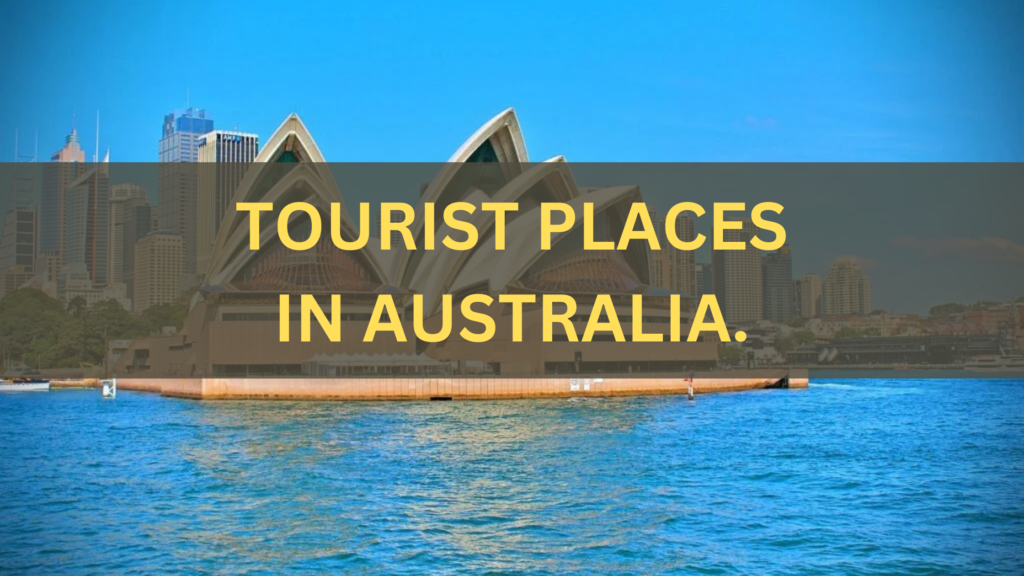
The Opera House is Sydney’s postcard shot for a reason; those white shells catching afternoon light over the harbor don’t get old. Utzon’s design caused absolute chaos during construction (budget blowouts, political nightmares, the whole mess), but the Danish architect’s vision turned into something that actually earned its UNESCO badge.
Inside, they’re running north of 1,500 shows annually. Opera, yeah, but also rock acts, comedy, random experimental stuff, the programming swings wide. Tours walk you through the backstory: how they almost didn’t finish it, how the acoustics work, why those shells sit at those exact angles.
The forecourt’s where you want to be around golden hour. Harbour Bridge straight ahead, ferries cutting across to Circular Quay, that whole stretch turning amber when the sun drops. Grab the edge near the water and just sit there for twenty minutes; it’s free, and honestly better than half the ticketed experiences in town.
- Must read: The 20 Best Amusement Parks in the U.S.
2. Melbourne
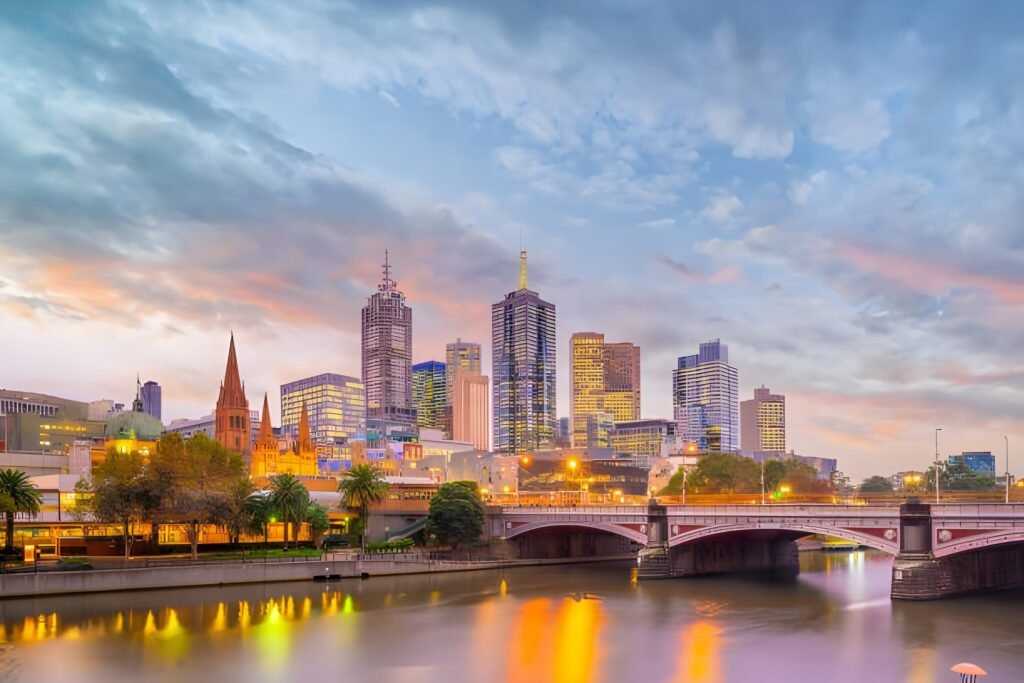
Melbourne’s the country’s number-two metro by size, but it skips the harbor views and reliable sun that Sydney leans on. What it does have: culture that runs deep, coffee snobs who actually know what they’re talking about, and sports fans who treat game day like religion.
The laneways downtown are where you hunt duck into narrow brick alleys and follow your nose to single-origin pour-overs pulled by baristas who’ll judge your order. Museums and galleries stack up across the CBD and inner suburbs, most of them free or close to it. Shopping’s strong if you’re into boutiques over chains.
Then there’s the MCG. Footy in winter, cricket in summer, catch a match, and you’ll get why Melburnians are so obsessive about it. The stadium holds 100,000, and when it’s packed for a Grand Final or Boxing Day Test, the noise alone is worth the ticket.
read : 25 + Top Cheap Weekend Getaways in the U.S
3. Royal Botanic Garden Sydney
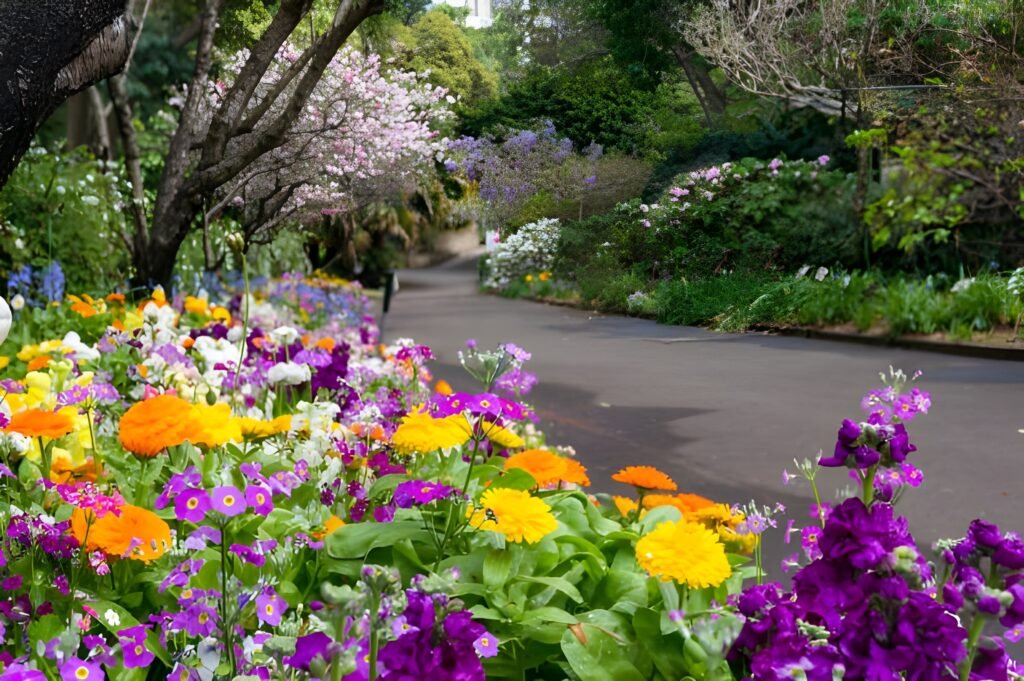
The Royal Botanic Garden sits right on the harbor’s edge, 74 acres where you can actually hear yourself think, even with the CBD ten minutes behind you. Thousands of plant species fill the beds and groves, from the Rose Garden (which peaks in November through April) to the Palm Grove’s towering fronds.
Walk the perimeter paths, and you’re getting Opera House angles most tourists miss, plus bridge views and water that catches every shift in light. Early morning or late afternoon? That’s when the whole place glows, golden hour does serious work here.
Tours run daily and dig into the backstory: Indigenous connections to the land, how certain plants survived colonization, and why specific species thrive in this microclimate. Whether you need 20 minutes to decompress on a bench or you’re ticking boxes on a Sydney checklist, this one delivers without trying too hard.
4. Canberra
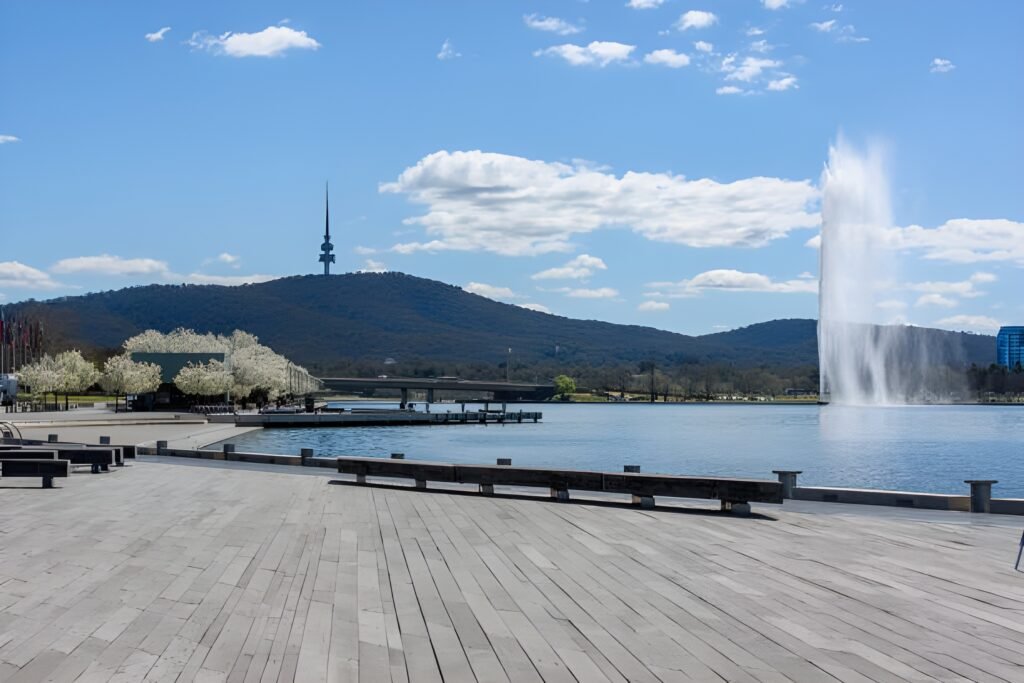
Canberra’s the capital, so it leans heavily on the civic landmarks, Parliament House, the War Memorial, all the stuff that signals “this is where decisions get made.” But strip away the political theater, and you’ve got a weirdly pleasant city, built around Lake Burley Griffin with bike paths that actually go somewhere.
The National Gallery holds serious weight if you care about Australian art (Indigenous galleries especially). The lake itself? You can rent a kayak, cycle the loop, or just sit on the shore and watch rowers slice through at dawn.
Nature’s close Australian National Botanic Gardens showcase native species you won’t see clustered anywhere else, and Tidbinbilla Nature Reserve (40 minutes out) gets you face-to-face with kangaroos, koalas, and emus in semi-wild settings.
Canberra moves more slowly than Sydney or Melbourne, but that’s the point. It’s designed, planned, deliberate, not chaotic. If you want to understand how Australia sees itself officially, this is where that story lives. Just don’t expect late-night energy or waterfront bars. The vibe here peaks around 4 p.m. with a flat white and a lakeside walk.
5. Perth
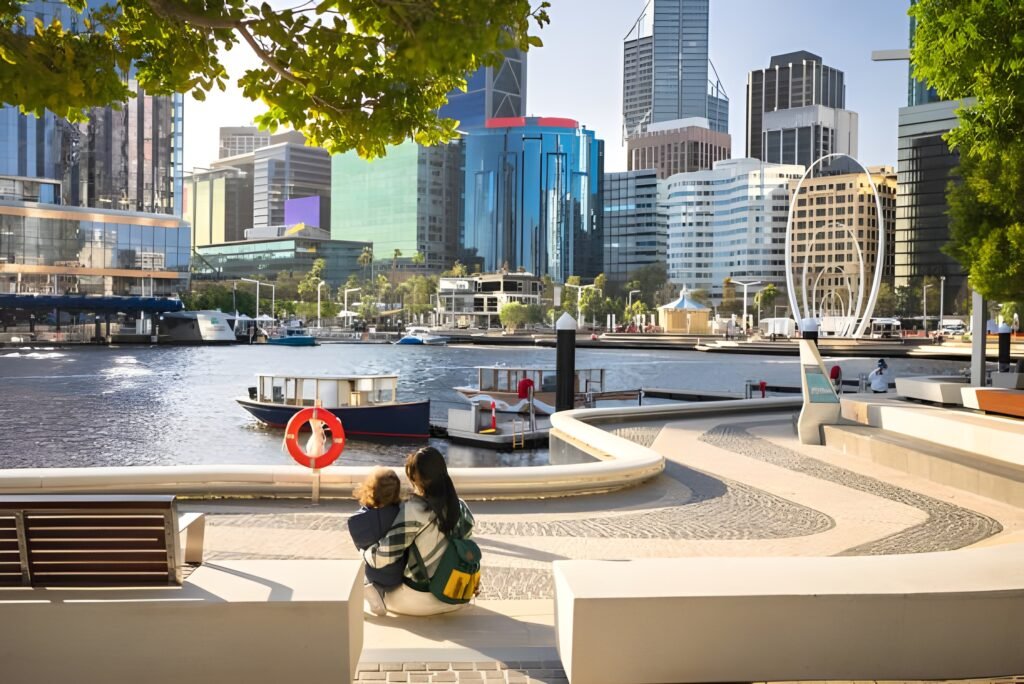
Perth sits on Australia’s west coast, isolated enough that it feels like its own universe. Kings Park sprawls across 990 acres, one of the biggest inner-city green spaces anywhere, and the overlooks toward the Swan River and downtown skyline are legitimately good, especially late afternoon when the light softens.
Elizabeth Quay’s where the action clusters: waterfront dining, outdoor bars, weekend crowds. It’s polished, a little corporate, but functional if you want easy access to food and ferry terminals. Cottesloe Beach is the sunset move white sand, Indian Ocean horizon, locals posted up with towels and wine bottles as the sky cycles through orange and pink.
Art Gallery of Western Australia holds the state’s collection, leaning into Indigenous work and colonial-era pieces that tell you how this corner of the country developed. Worth an hour if galleries are your thing.
Perth gets 3,000+ hours of sun annually, so the weather rarely sabotages plans. The pace runs slower than East Coast metros; people actually leave work at five, hit the beach, and don’t apologize for it. Whether you’re chasing adventure or just want to sit still for a few days, the city accommodates both without forcing either on you.
6. Uluru

Uluru locals call it “The Rock,” which sits dead-center in the Australian outback and holds serious spiritual weight for Indigenous communities. You can experience Uluru-Kata Tjuta National Park on foot through marked trails, book a guided walk with Aboriginal storytellers, float over it in a hot air balloon at sunrise, ride a camel across the red dirt, or even cruise around on a Harley if that’s your speed.
One hard rule: don’t climb it. The Anangu people, traditional owners of this land, consider Uluru sacred, and the climb’s been officially closed since 2019. Respect that. The base walks and sunset viewing platforms give you everything you need without stepping on anyone’s beliefs.
The rock changes color throughout the day, deep red at noon, glowing orange at dusk, sometimes purple if the conditions line up. Stand there long enough, and you’ll get why this place anchors so much meaning for the people who’ve lived here for tens of thousands of years.
Uluru rises 348 meters straight up from the desert floor, that’s 1,142 feet if you’re counting, but the real kicker is that it climbs 863 meters above sea level because most of the formation hides underground. The perimeter? 9.4 kilometers, which works out to 5.8 miles if you’re walking the base trail.
7. Great Barrier Reef
The Great Barrier Reef runs 2,300 kilometers up the Queensland coastline, basically the world’s largest living structure, visible from space, and home to more coral species than you can count. Snorkeling here feels like dropping into a Pixar movie: clownfish darting through anemones, sea turtles gliding past, reef sharks cruising the drop-offs.
You can sail out from Cairns or Port Douglas, dive the outer reefs where visibility hits 30 meters, or stick to shallower lagoons if you’re new to it. Either way, you’re swimming through ecosystems that took thousands of years to build.
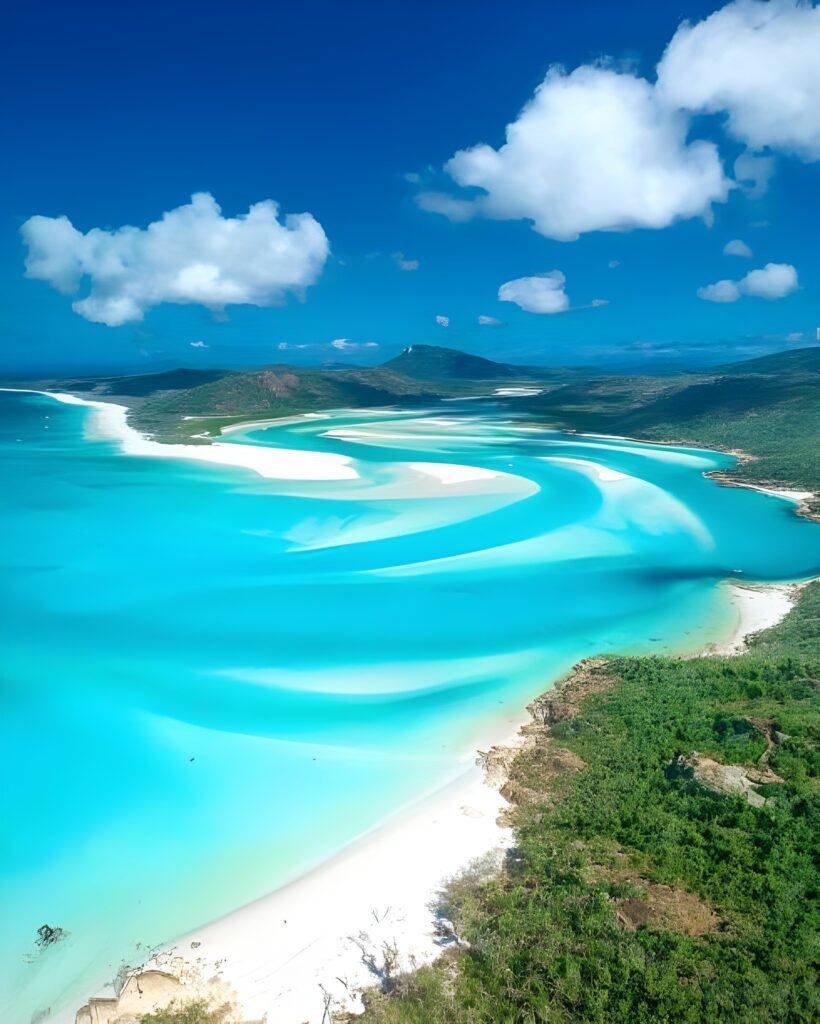
After a few days underwater, the Whitsunday Islands are the perfect reset, 74 islands scattered across turquoise water, most of them uninhabited. Whitehaven Beach gets all the Instagram love (and deserves it, that silica sand is unreal), but smaller coves stay quiet even in peak season. Anchor a sailboat, crack a beer, watch the sun drop behind the islands. That’s the move.
8. The Great Ocean Road

The Great Ocean Road is Australia’s heavyweight champion of coastal drives, 243 kilometers of Victorian cliffside that’ll ruin every other road trip for you. West of Melbourne, the route threads through national parks that still feel untouched, beaches where you might be the only footprints, and small towns that haven’t sold out to cruise-ship traffic yet.
The Twelve Apostles are the money shot everyone chases: limestone stacks rising out of the Southern Ocean, waves smashing into them from Antarctica with nothing in between. Loch Ard Gorge sits nearby, named after a 1878 shipwreck that killed 52 people only two survivors, both teenagers; the story’s wild if you read the plaques.
Drive it in autumn March–May when the crowds thin out and the light’s softer. Rent something decent because the road twists hard in sections, and you’ll want to pull over every fifteen minutes for another angle on the coast. Allocate two days minimum, one day works if you’re rushing, but you’ll regret skipping the detours to waterfalls and hidden beaches that make this drive legendary..
9. Fraser Island

Fraser Island sits three hours north of Brisbane, just offshore from Hervey Bay, and it breaks the mold in a few key ways. First: it’s the planet’s biggest sand island, over 120 kilometers long, which is absurd when you think about it. Second: the dingoes here carry purer genetics than their mainland cousins, making them one of the rarest populations left. Third: half the world’s perched lakes exist on this island, freshwater pools that form between sand dunes, fed only by rain, crystal-clear and perfect for swimming.
You’ll need a 4WD permit because regular cars sink in the sand, and the “roads” are basically just tire tracks. Lake McKenzie is the famous one bright blue water, white silica sand, but Lake Wabby and Lake Boomanjin stay quieter. The Maheno shipwreck rusts on Seventy-Five Mile Beach, and Eli Creek pumps out four million liters of fresh water daily. Locals float down it on pool noodles.
Camp or stay in one of the eco-lodges. Just remember: the dingoes are wild, not pets. People get bitten every year because they forget that part.
10. Darwin
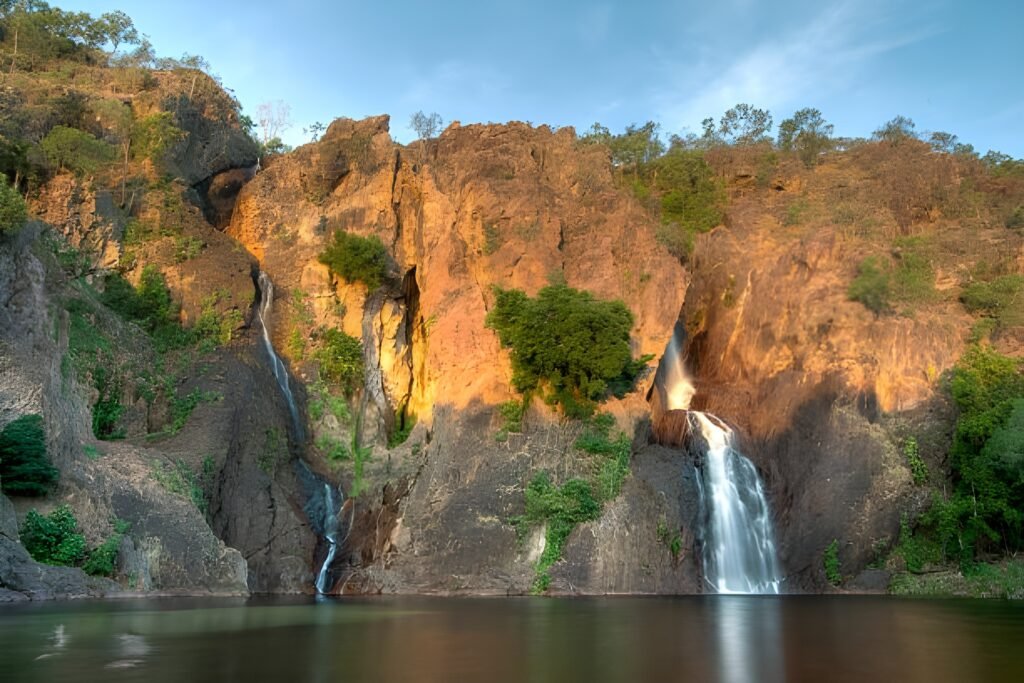
Darwin and the Top End drop you into landscapes that look like they haven’t changed since dinosaurs walked through Kakadu and Litchfield National Parks serve up waterfalls, billabongs, and rock art that’s been there for 20,000 years.
In Darwin proper, Crocosaurus Cove lets you get uncomfortably close to saltwater crocs (there’s a glass cage you can lower yourself into if you’re feeling brave). Mindil Beach is the sunset move, Thursday and Sunday markets run April through October, and watching the sun melt into the Timor Sea with a coconut in hand is about as Top End as it gets.
The heat’s brutal November through March (wet season), so aim for the dry months May–September when temps sit around 30°C and the humidity backs off. Roads flood during the wet, cutting off access to half the parks, so timing matters more up here than anywhere else in the country.
Why Trust TourGid
At TourGid, we’ve found that squeezing in a quick two-day trip usually makes more sense than blocking off a full week, not just because it’s less disruptive to your schedule, but also because it won’t drain your bank account nearly as quickly. Our team has actually been to these budget-smart spots across the country, whether that’s a state park nobody talks about or a little coastal town that flies under the radar, and we’ve kept tabs on what everything actually costs, so you know exactly where to save money without sacrificing the stuff that makes a trip feel special. Everything you’ll see here comes from trips we’ve taken ourselves or from feedback we’ve gotten from readers who’ve nailed the art of the weekend getaway. We didn’t pull these from some search results; we’ve double-checked the info, looked at what places charge right now, and put them on the list because they deliver real experiences without the usual stress that comes with trying to plan something affordable.